Tech & Gadgets
Insights, reviews, and the latest news from the tech world.
Today
Sunday, September 27
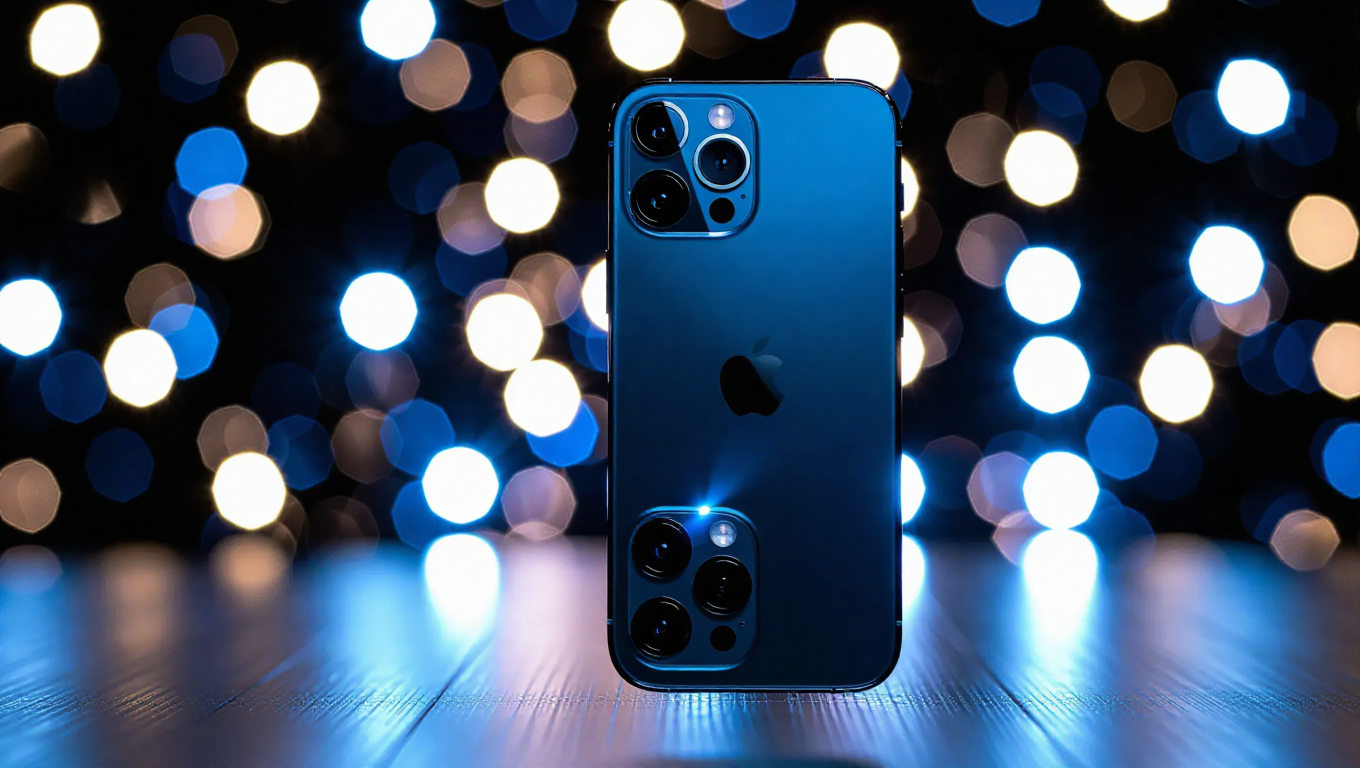
Xiaomi 18 Pro Rumored to Feature Dual 200MP Camera System
The Xiaomi 18 Pro is rumored to feature dual 200MP rear cameras, potentially including a periscope telephoto unit, with the Pro Max model also expected to receive the upgrade.
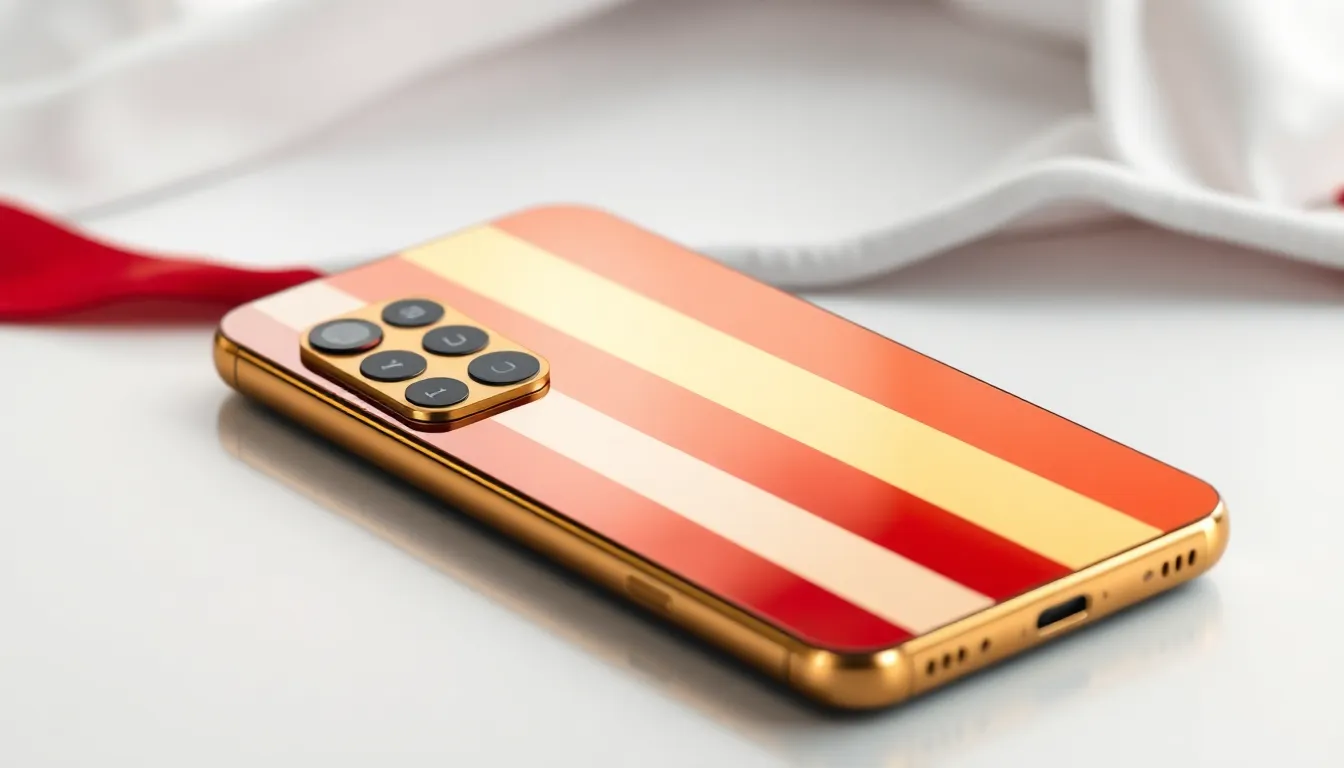
Trump Mobile T1 Phone: Updated Specs and Design Changes Confirmed
The Trump Mobile T1 Phone remains in development with updated specs including a Snapdragon 7 series chipset, 50MP cameras, and design changes like a prominent camera island, though pricing has increased from initial promises.
Galaxy S26 Details Emerge, iPhone Fold Design Rumors, Pixel 10a Leaks: Week 6 Tech Roundup
Week 6 brought significant mobile tech developments: Samsung teased Galaxy S26 camera improvements, Apple's foldable iPhone design rumors circulated, Google's Pixel 10a specifications leaked, and Infinix revealed Note 60 series memory options.
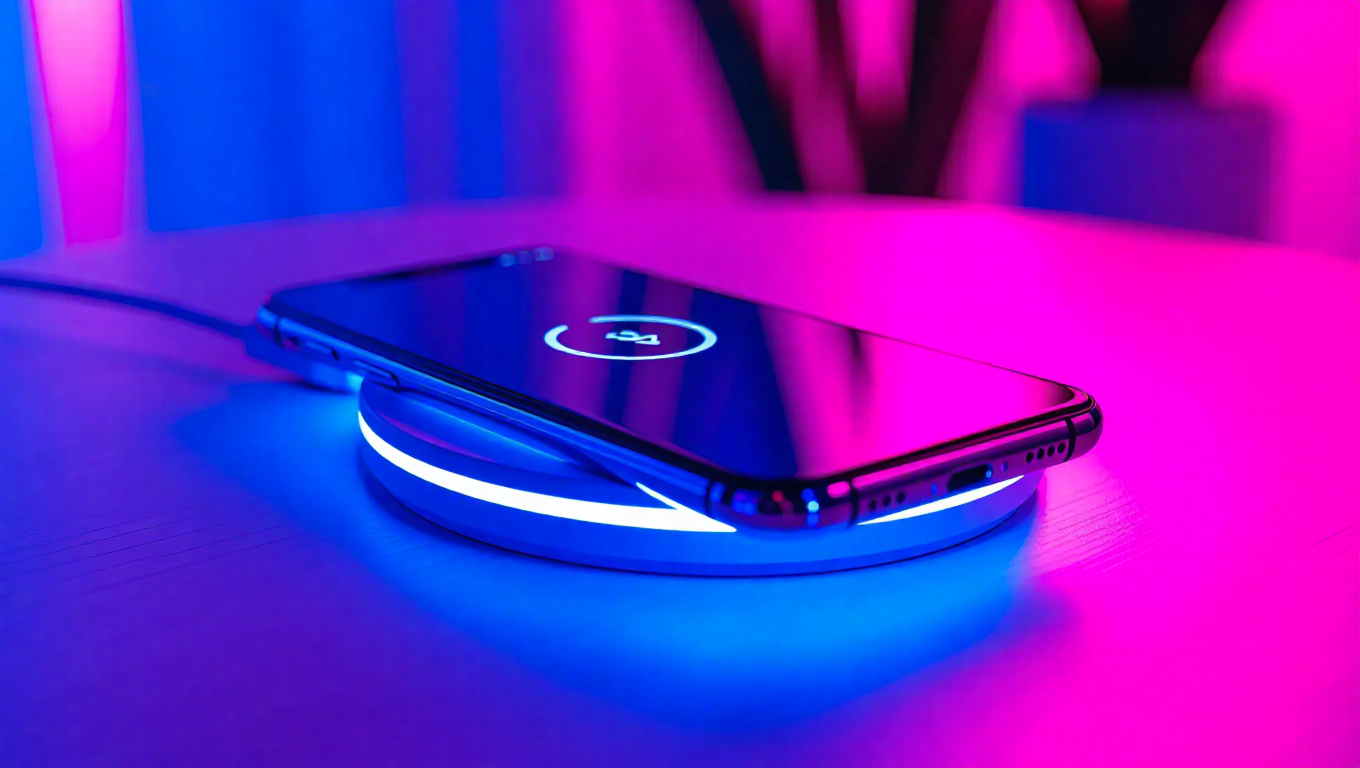
Samsung Galaxy S26 Series Gets Faster Wireless Charging But Lacks Built-In Magnets
Samsung's Galaxy S26 series will support faster Qi 2.2.1 wireless charging up to 20W or more but lacks built-in magnets, meaning magnetic accessories will require compatible cases.
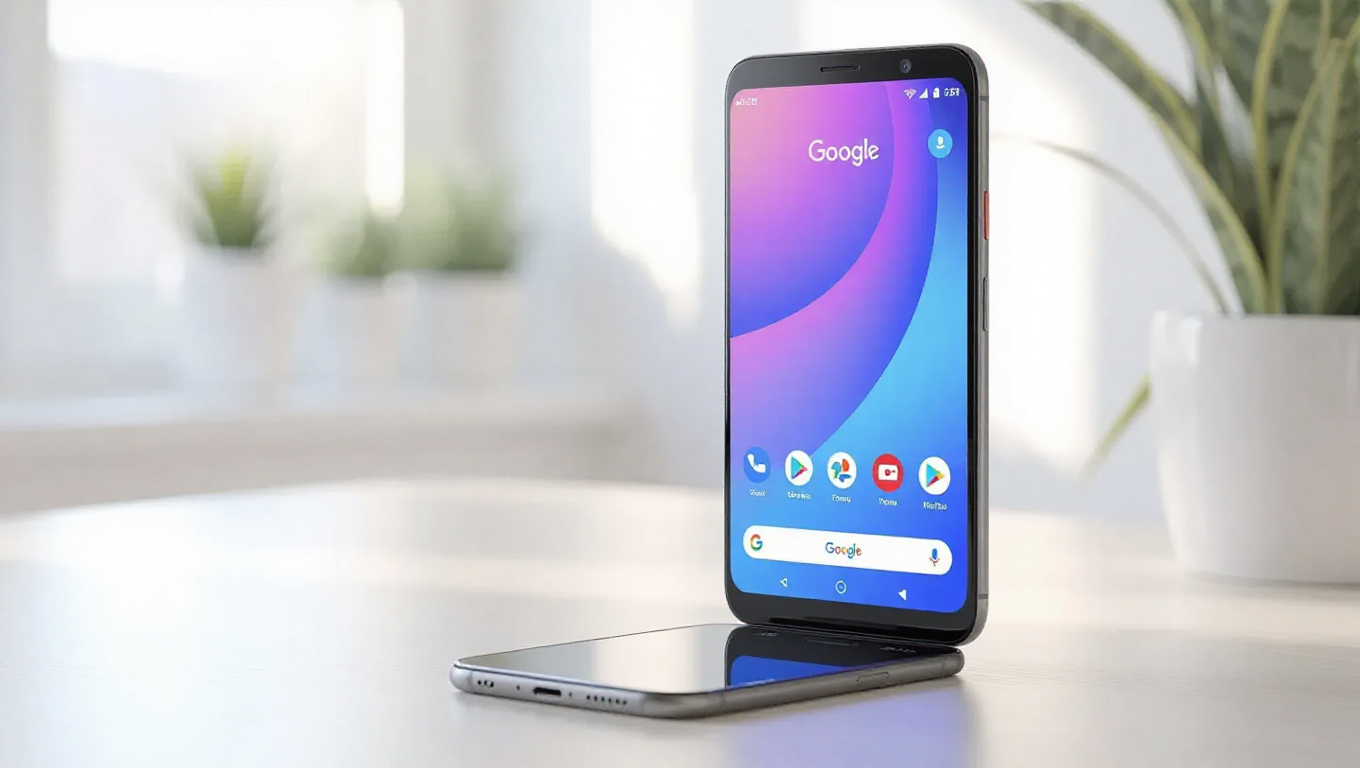
Google Pixel 9a: The Budget Smartphone That Defies Expectations
The Google Pixel 9a delivers a compelling combination of sleek design, capable performance, and excellent software at a surprisingly affordable price, making it a standout choice in the budget smartphone segment.
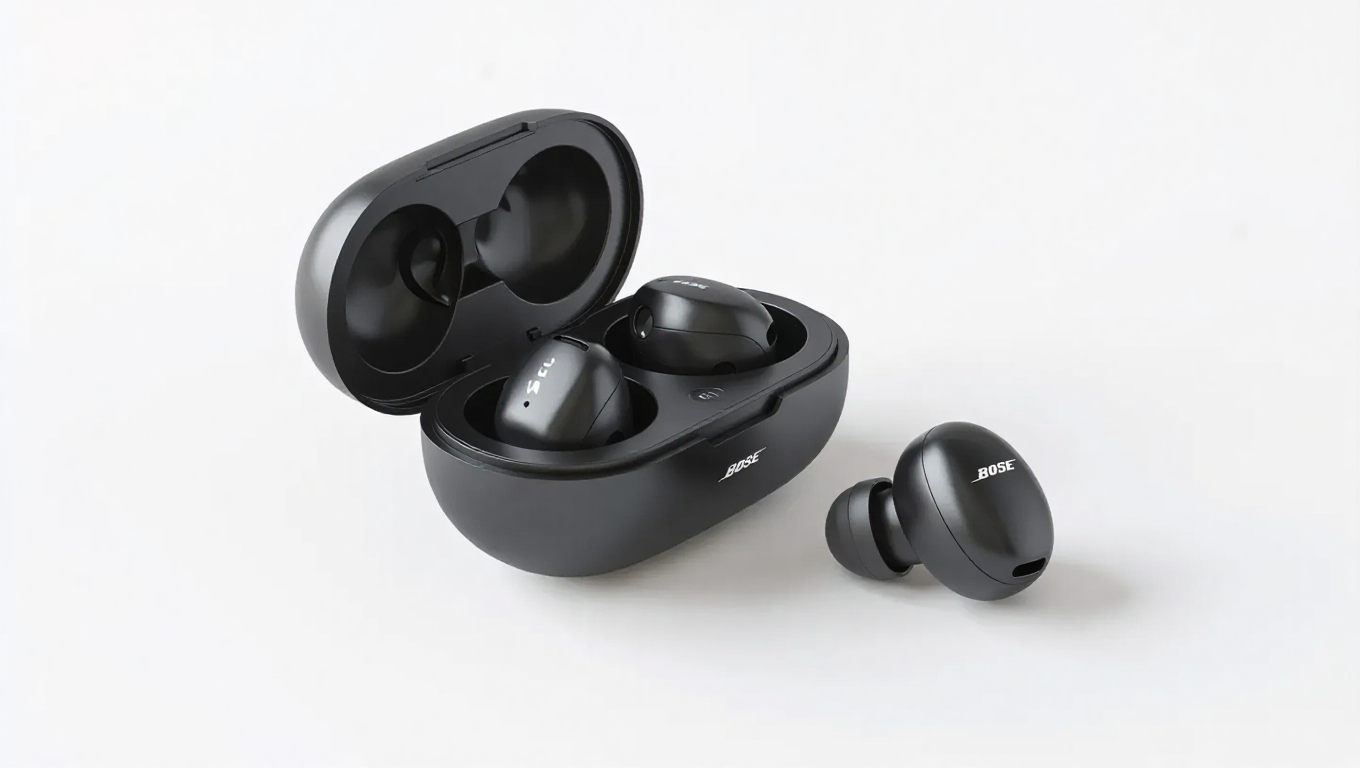
Motorola Moto Buds 2 Plus TWS Earphones Design Revealed in Leaked Images
Leaked renders of the Motorola Moto Buds 2 Plus show a vertical charging case design, Bose audio tuning, and expected features like ANC and Hi-Res Audio support.
Why Samsung's Phone Upgrades Are Often Incremental: A Strategic Analysis
Samsung's flagship phones often receive only incremental upgrades like new processors while maintaining similar charging, battery, and camera specs across generations, a strategy driven by market dominance, supply chain efficiency, and consumer upgrade cycles.
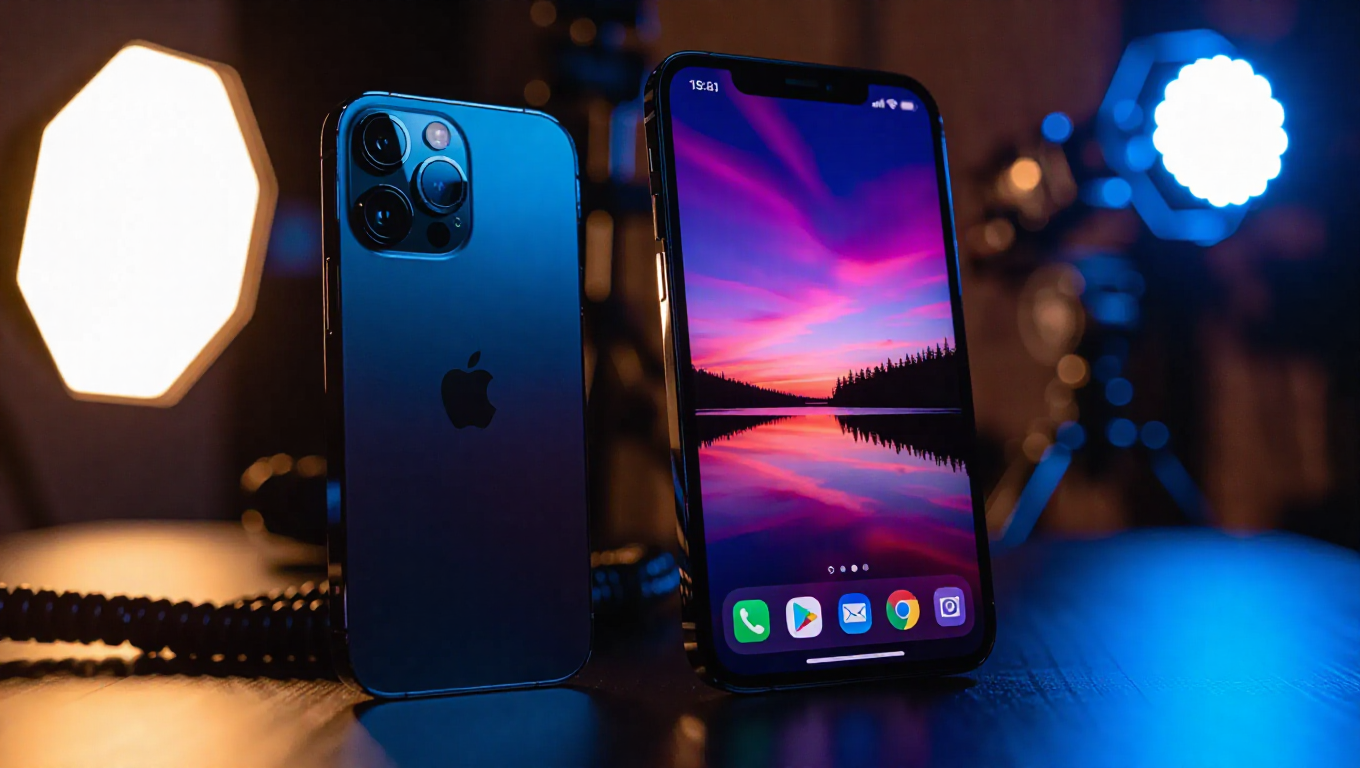
Android Phone Surpasses iPhone 17 Pro in Video Recording Capabilities
The Vivo X300 Pro has demonstrated superior video recording performance compared to the iPhone 17 Pro, marking a significant shift in mobile camera capabilities.
Galaxy S26 FE Needs These 6 Major Upgrades After a Year with S24 FE
The Galaxy S24 FE has proven reliable but generic over a year of use, highlighting six areas where the S26 FE needs significant upgrades to better serve fans.
3 Reasons to Try Home Up's Latest Upgrades on Your Samsung Galaxy
Samsung's Home Up module for Good Lock has received a significant update, adding widget resizing, enhanced app drawer features, and refined animations to personalize your Galaxy device.

Why Google's AI Glasses Outshine Apple's AI Pin in Wearable Tech
Google's AI glasses offer a more natural and integrated wearable AI experience compared to Apple's AI pin, which feels forced and less practical.

How Smartphone Autocorrect Technology Works: From Pattern Recognition to Machine Learning
Smartphone autocorrect analyzes typing patterns using statistical models and context clues to predict intended words, with machine learning adapting to individual users over time, though limitations in vocabulary and context understanding can lead to errors.