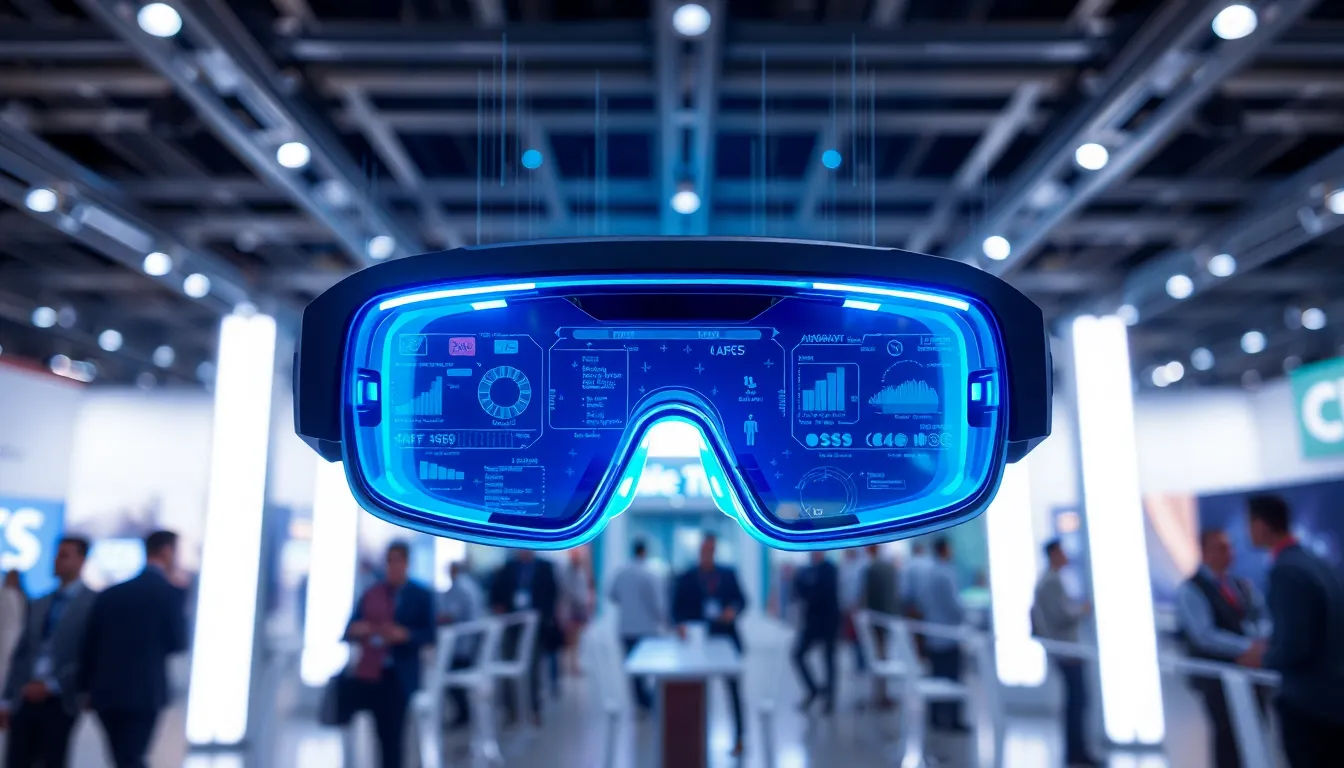
Xreal Deepens Google Partnership, Commits to Android XR for Future AR/VR Products
At CES, Xreal announced a significant expansion of its collaboration with Google, positioning itself as a lead hardware partner for Android XR—Google's operating system designed for extended reality (XR), virtual reality (VR), and augmented reality (AR) headsets. This multi-year strategic partnership extension signals Xreal's full commitment to the Android XR ecosystem for its upcoming product lineup.
Android XR Integration and Product Roadmap
Xreal confirmed that its forthcoming devices, including the highly anticipated Project Aura scheduled for release later this year, will utilize Android XR as their operating system. This move represents a strategic alignment with Google's XR platform, potentially offering users a more integrated and familiar Android-based experience in the XR space.
The collaboration extends beyond simple platform adoption. Xreal and Google will work together to bring Android XR to optical see-through devices, specifically mentioning wired XR glasses as a focus area. This suggests that Xreal's future products may leverage this technology to create more immersive augmented reality experiences while maintaining visual connection to the physical environment.
Developer Ecosystem Expansion
Beyond hardware integration, the partnership includes efforts to expand support for Android XR development. This indicates a commitment to growing the application ecosystem for Android XR devices, potentially attracting more developers to create content and applications specifically optimized for Xreal's hardware running on Google's platform.
While specific technical details remain undisclosed, the announcement positions Xreal as a key player in Google's XR strategy. The collaboration appears comprehensive, covering both hardware implementation and software ecosystem development, suggesting a long-term vision for Android XR's role in the consumer XR market.
Market Implications and Future Outlook
This deepened partnership comes at a time when the XR market continues to evolve, with various platforms competing for developer and consumer attention. By aligning closely with Google's Android XR, Xreal gains access to Google's technical resources, developer community, and potential integration with other Android services and devices.
The announcement indicates that more details about the collaboration and specific product implementations will emerge throughout the year, particularly around the consumer launch of Project Aura. This suggests that CES served as a strategic announcement platform, with more substantive reveals planned for later in 2026.
Conclusion
Xreal's commitment to Android XR through its expanded partnership with Google represents a significant strategic move in the competitive XR hardware landscape. By becoming a lead hardware partner for Android XR, Xreal positions itself at the forefront of Google's XR initiatives while potentially benefiting from the established Android ecosystem. The collaboration's focus on both hardware implementation and developer support suggests a comprehensive approach to building a competitive XR platform, with Project Aura serving as the first major consumer product to showcase this deepened partnership. As the XR market continues to mature, this alliance between hardware specialist Xreal and platform giant Google could significantly influence the development and adoption of consumer XR technologies.