Xiaomi's Razor-Thin Magnetic Battery Bank: 15W Charging Without Qi2 Certification
Xiaomi has introduced a new magnetic wireless power bank that stands out for its exceptionally slim profile. The accessory promises convenient 15W wireless charging through magnetic attachment, but a notable absence of Qi2 certification has sparked discussion about its place in the evolving wireless power landscape.
A Design Focused on Portability
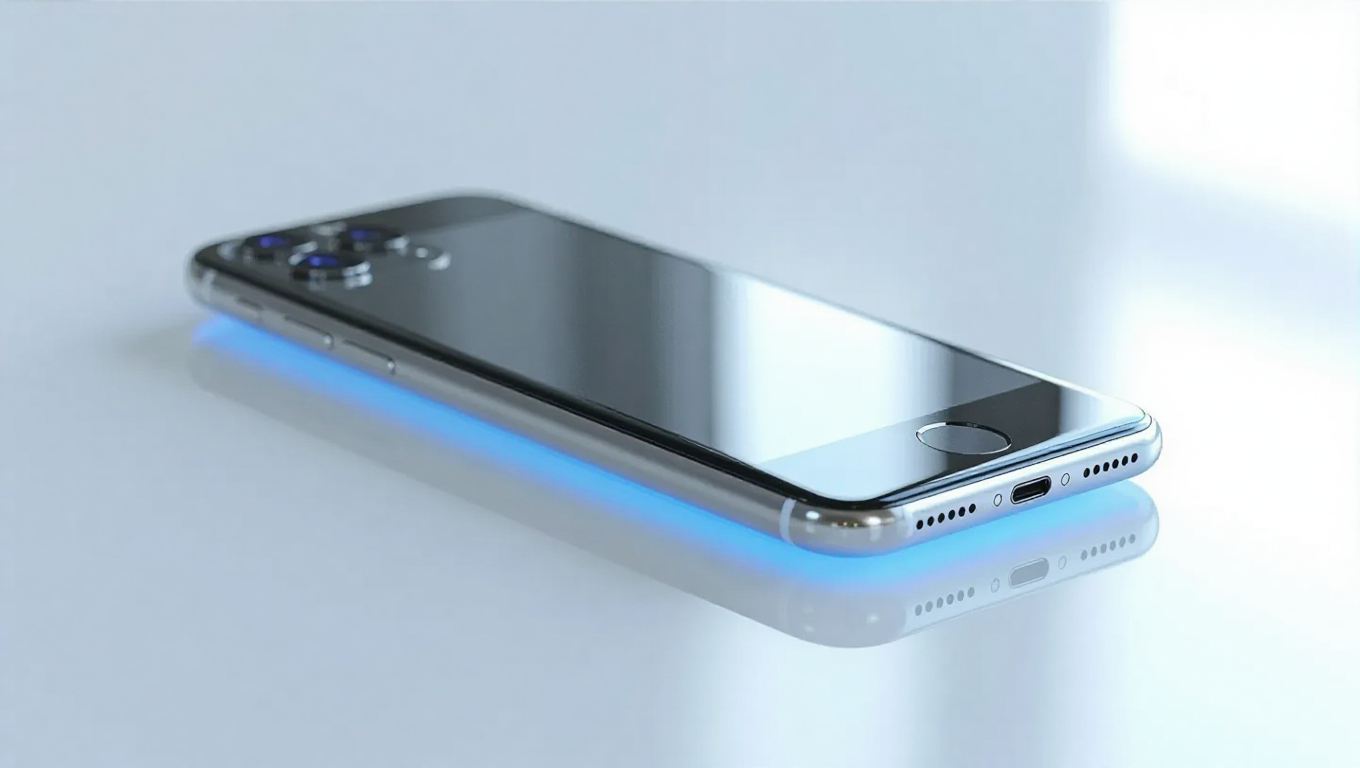
The most striking feature of Xiaomi's new power bank is its ultra-thin construction. Designed for maximum portability, it appears to prioritize a sleek form factor that easily slips into pockets or bags without adding bulk. The magnetic attachment system allows it to snap securely onto compatible devices, providing a cable-free charging experience that aligns with modern user preferences for minimalism and convenience.
With 15W wireless charging capabilities, the power bank offers respectable speeds for topping up smartphones and other small devices throughout the day. This power level represents a significant improvement over basic 5W wireless chargers while remaining within practical thermal and efficiency constraints for a portable battery pack.
The Qi2 Question
Despite its magnetic functionality, the power bank appears to lack certification for the Qi2 standard. Qi2 represents the next generation of wireless charging technology, building upon the original Qi standard with improved magnetic alignment, faster charging speeds, and enhanced interoperability between devices from different manufacturers.
The absence of Qi2 certification raises important questions about compatibility and future-proofing. While the power bank will likely work with existing magnetic charging devices, it may not deliver the optimized performance and universal compatibility that Qi2 promises. This distinction could become increasingly significant as more manufacturers adopt the new standard in their upcoming devices.
Market Implications and User Considerations
Xiaomi's release enters a market where magnetic accessories have gained substantial popularity, particularly following Apple's MagSafe ecosystem. By offering an alternative at potentially competitive pricing, Xiaomi provides consumers with more options for wireless charging solutions.
For potential buyers, the decision may come down to priorities. Those valuing extreme thinness and basic magnetic charging functionality may find this power bank appealing. However, users concerned about long-term compatibility with emerging standards might prefer to wait for Qi2-certified alternatives that guarantee broader device support and potentially faster charging speeds as the standard evolves.
Conclusion
Xiaomi's ultra-thin magnetic power bank represents an interesting entry in the portable charging market, combining sleek design with practical wireless functionality. Its 15W charging capability provides useful power for daily use, while the magnetic attachment offers the convenience users have come to expect from modern accessories.
However, the apparent lack of Qi2 certification creates a notable caveat. As the wireless charging industry moves toward standardized magnetic solutions, this power bank may represent a transitional product rather than a future-proof investment. Consumers will need to weigh the appeal of its thin design against potential limitations in compatibility as the Qi2 ecosystem expands across device manufacturers in the coming years.