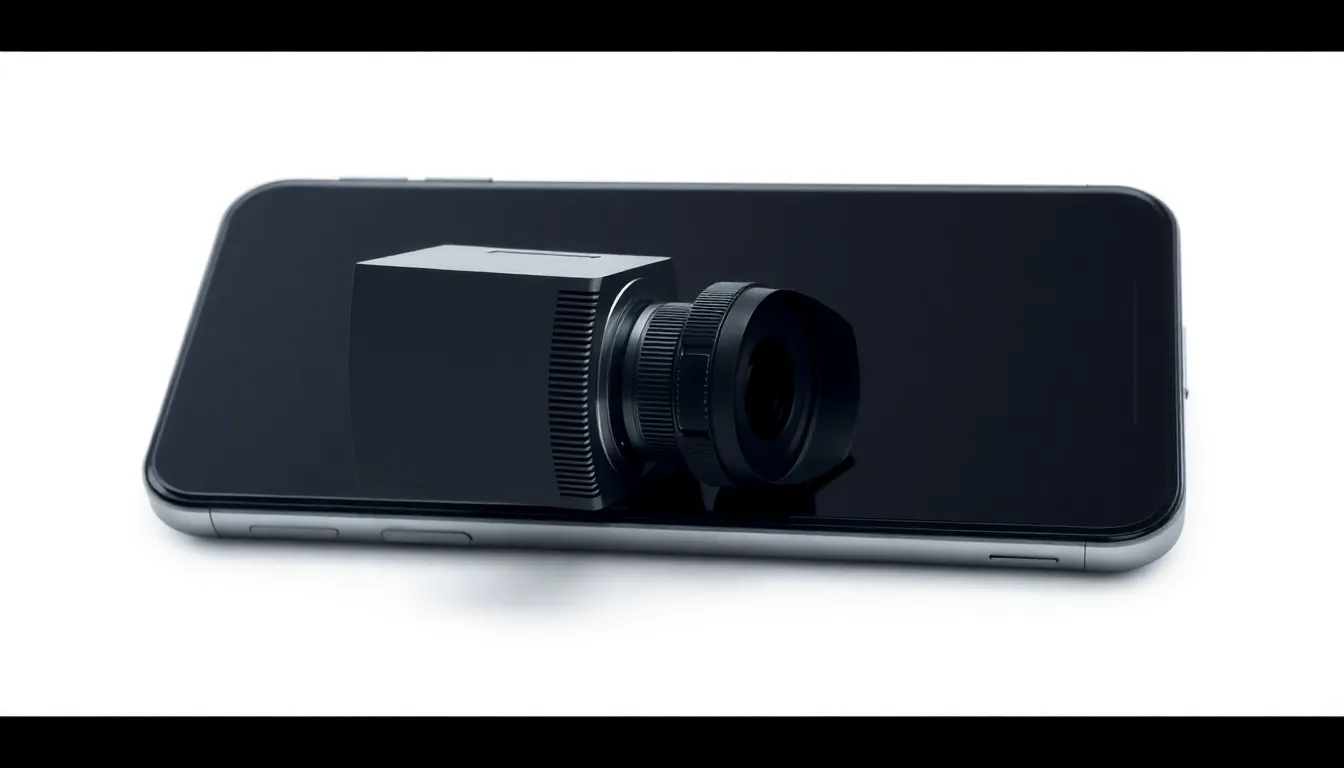
Xiaomi's Modular Camera Concept Nears Commercial Reality
The smartphone photography landscape may be on the verge of a significant evolution as Xiaomi's innovative modular camera system appears to be progressing toward commercial availability. First previewed at a major industry event last year, this technology promises to bridge the gap between smartphone convenience and dedicated camera quality through an attachable hardware system.
Breaking the Physical Constraints of Smartphone Photography
Manufacturers have achieved remarkable feats in miniaturizing camera components, transforming smartphones into primary photography devices for most users. However, fundamental physical limitations remain when attempting to match the capabilities of dedicated camera systems. The modular approach represents a potential solution to this challenge, allowing users to enhance their smartphone photography without permanently increasing device size.
Several brands have explored add-on lens solutions in recent years, but Xiaomi's concept appears more comprehensive. The system would enable attachment of external camera hardware directly to compatible smartphones, potentially offering significant improvements in image quality and photographic features that exceed what's possible within current smartphone form factors.
From Concept to Commercial Product
Recent industry signals suggest the modular camera system is advancing beyond the conceptual stage. While specific details remain limited, the technology appears to be progressing toward potential market introduction. The timeline for such innovations can be unpredictable, but current indications point toward possible availability within the current year.
This development represents more than just another smartphone accessory—it could fundamentally change how consumers approach mobile photography. By allowing users to upgrade their camera capabilities without replacing their entire device, the modular system addresses both economic and environmental concerns associated with frequent smartphone upgrades.
Industry Implications and User Benefits
The modular approach to smartphone photography offers several potential advantages. For photography enthusiasts, it provides access to higher-quality optics and sensors without carrying separate devices. For casual users, it offers the flexibility to enhance capabilities for special occasions while maintaining everyday convenience.
From an industry perspective, successful implementation could influence how manufacturers approach smartphone design and camera technology. Rather than competing solely on integrated camera specifications, companies might develop ecosystems of compatible accessories that extend device functionality throughout its lifespan.
Conclusion
Xiaomi's modular camera system represents an intriguing approach to overcoming the physical limitations of smartphone photography. While details about specific features, compatibility, and pricing remain to be revealed, the technology's progression toward commercial availability suggests we may soon see a new category of smartphone photography accessories. As the line between smartphones and dedicated cameras continues to blur, modular solutions like this could play a significant role in defining the next generation of mobile photography capabilities.
The potential introduction of this technology later this year would mark an important milestone in smartphone accessory development, offering users unprecedented flexibility in how they approach mobile photography while challenging traditional assumptions about what's possible within smartphone form factors.