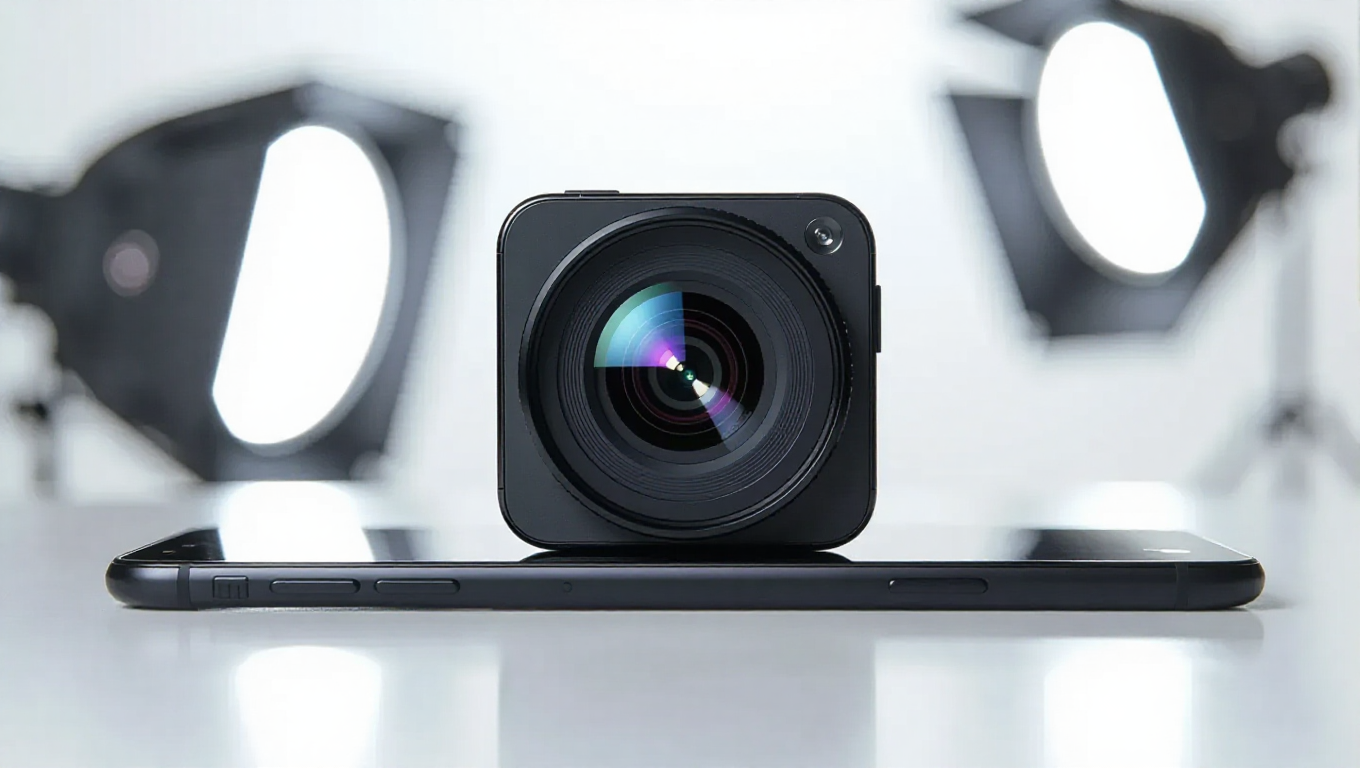
Xiaomi's Detachable Micro Four-Thirds Camera Module Enters Mass Production
Xiaomi's innovative modular camera system, first showcased as a prototype at last year's Mobile World Congress, has reportedly entered mass production. The detachable micro four-thirds camera module represents a significant step forward in mobile photography, bridging the gap between smartphone convenience and professional camera capabilities.
Technical Specifications and Features
The camera module features a 100-megapixel micro four-thirds sensor paired with a 35mm f/1.4-f/11 lens that includes a manual focus ring. The sensor offers native 2x zoom capability through pixel binning technology, providing optical-quality zoom without the bulk of traditional camera systems.
What distinguishes this system from previous detachable camera concepts is its LaserLink connection technology. This high-speed interface reportedly offers data transfer rates of up to 10Gbps with minimal latency, allowing the camera module to leverage the smartphone's powerful Image Signal Processor (ISP) for real-time image processing. This approach eliminates the need for dedicated processing hardware within the camera module itself.
Design and Compatibility Considerations
The modular design presents both advantages and limitations. The camera module draws power directly from the connected smartphone and lacks its own battery, contributing to a streamlined design. However, the prototype reportedly weighed approximately 100 grams, which could affect handling balance on smaller devices.
Compatibility remains a key consideration. The system requires smartphones equipped with both Qi2-style magnetic connectors and the specialized LaserLink data connection. While the prototype was demonstrated with a customized Xiaomi 15, industry speculation suggests an upcoming flagship model, potentially the Xiaomi Mix 5, might be the first commercially available device to support this technology.
Market Implications and Future Prospects
This development represents Xiaomi's continued exploration of modular smartphone accessories that enhance core functionality. By separating the camera system from the smartphone body, users could potentially upgrade their photography capabilities without replacing their entire device.
The camera module reportedly powers down when not in use to conserve energy, requiring a brief startup period when activated. This power management approach balances functionality with battery conservation, though it may affect spontaneous shooting scenarios.
Conclusion
Xiaomi's entry into modular camera systems marks an intriguing development in mobile photography technology. While specific launch details and pricing remain undisclosed, the transition from concept to mass production suggests serious commercial intent. The success of this system will likely depend on broader device compatibility, practical handling considerations, and whether the photography quality justifies the additional hardware investment for consumers seeking professional-grade mobile imaging capabilities.