Xiaomi's Canceled 17 Air Smartphone Was Reportedly Just 5.5mm Thin
In the competitive world of smartphone design, the pursuit of thinness has often been a key battleground. However, market realities can abruptly halt even the most ambitious projects. New information has surfaced regarding a scrapped Xiaomi device that aimed to push the boundaries of slim design.
A Glimpse at a Canceled Contender
Recent leaks have provided a look at a prototype smartphone known as the Xiaomi 17 Air. This device was reportedly developed as a direct competitor to Apple's iPhone Air but was ultimately canceled before reaching the market. The cancellation aligns with broader industry reports suggesting several Chinese manufacturers shelved their ultra-thin phone projects following the iPhone Air's underwhelming commercial performance.
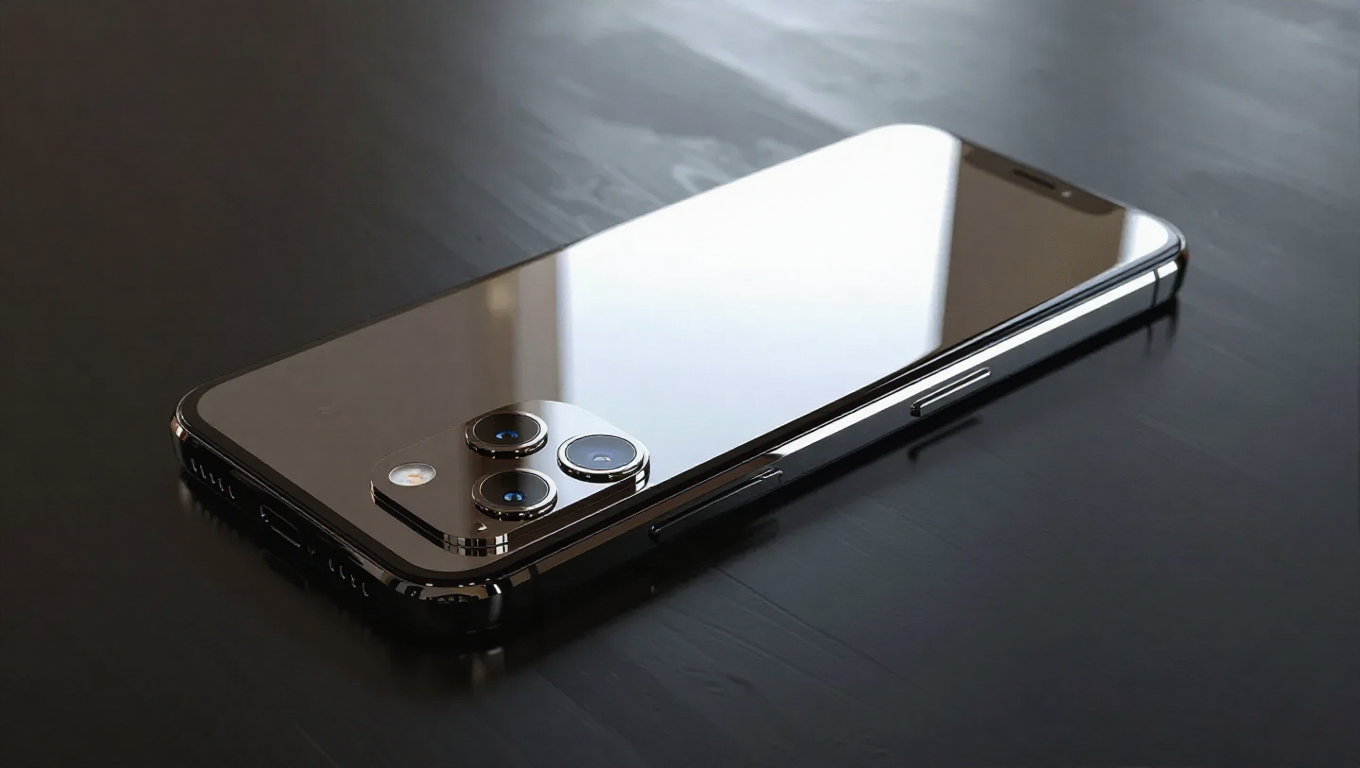
The prototype, showcased in a video from a known tipster, reveals a device with a distinctive design. The back panel features matte glass, contrasted by a prominent, shiny metallic camera visor housing two lenses. This aesthetic choice was likely intended to create a premium look and feel for the handset.
Specifications and the Thinness Benchmark
The most striking feature of the Xiaomi 17 Air was its dimensions. According to the leaked information, the phone was designed to be a mere 5.5mm thick. This would have made it 0.1mm thinner than its intended rival, the iPhone Air, potentially claiming the title of one of the thinnest smartphones ever developed.
Beyond its profile, the device was rumored to pack high-end specifications. It was said to feature a large 6.59-inch display and be powered by Qualcomm's flagship Snapdragon 8 Elite Gen 5 chipset. The camera system was tipped to include a formidable 200-megapixel main sensor. To power these components within such a constrained form factor, the phone was expected to house a battery capacity below 6,000mAh, a necessary compromise for its ultra-slim design.
The Fate of Ultra-Thin Ambitions
The emergence of this prototype serves as a tangible example of shifting strategies within the smartphone industry. The Xiaomi 17 Air represents a significant engineering effort that will not see a commercial release. Its existence highlights the risks associated with chasing extreme form factors, where market reception and practical considerations like battery life can determine a product's fate before it even launches.
While the pursuit of sleek, lightweight devices continues, this case suggests manufacturers are becoming more cautious. The focus may be shifting from pure thinness to a more balanced approach that prioritizes battery endurance, thermal management, and overall durability without sacrificing too much in terms of design.
Conclusion
The Xiaomi 17 Air prototype stands as a fascinating "what-if" in smartphone history. It showcases the technical capability to create a premium, high-performance device in an astonishingly thin 5.5mm chassis. However, its cancellation underscores a critical lesson for the industry: groundbreaking design must be met with clear market demand. For now, the Xiaomi 17 Air remains a compelling footnote—a testament to ambitious engineering that was ultimately shelved in the face of broader market trends.