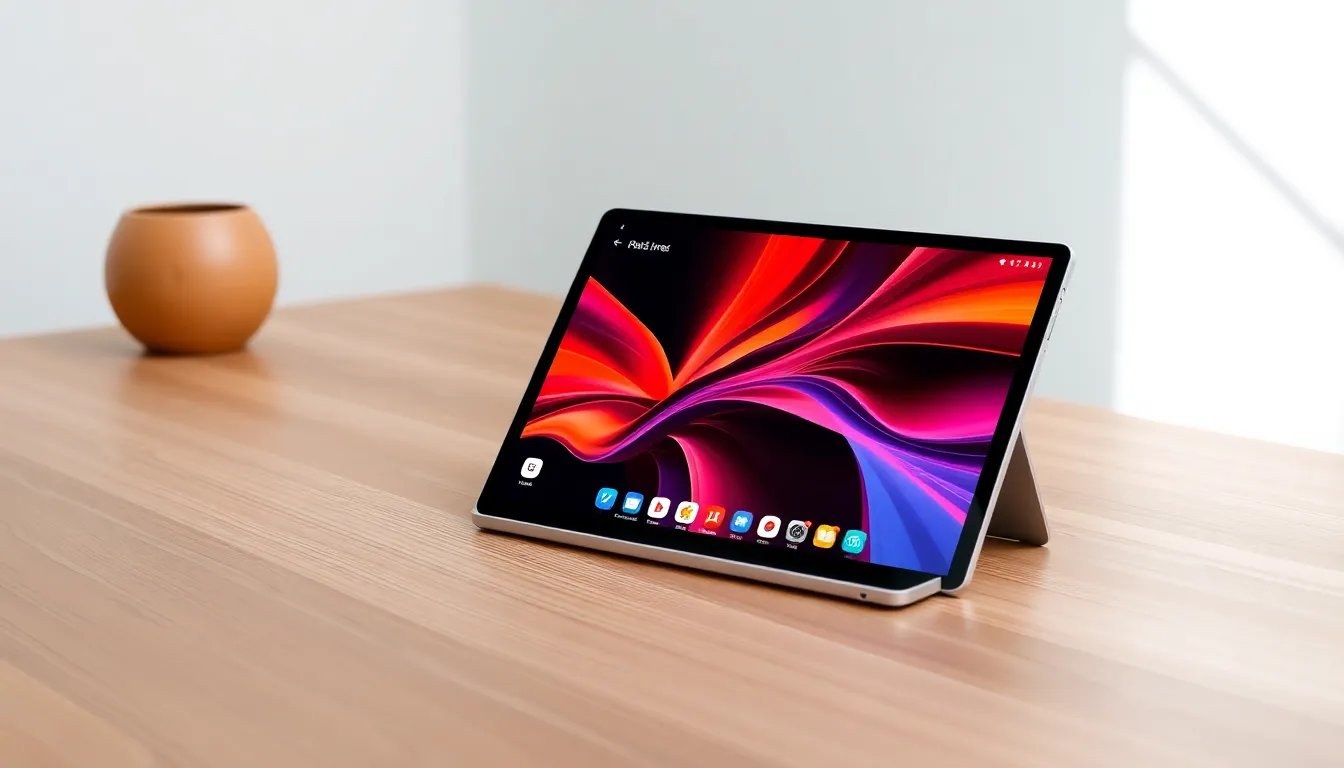
Xiaomi Pad 8 Pro: A Flagship Tablet with Competitive Edge
The global launch of the Xiaomi Pad 8 Pro brings one of the most powerful Android tablets to a wider audience. Positioned as a high-performance device with a compelling price point, it aims to challenge established players in the premium tablet segment.
Introduction and Key Specifications
Arriving about six months after its Chinese debut, the Xiaomi Pad 8 Pro stands out for its combination of flagship hardware and aggressive pricing. While not the first tablet to feature Qualcomm's Snapdragon 8 Elite chipset, it presents an intriguing package that goes beyond raw processing power.
The tablet features an 11.2-inch IPS LCD display with a resolution of 3200 x 2136 pixels (344ppi), offering 12-bit color depth, 144Hz refresh rate, and support for HDR10+, Dolby Vision, and HDR Vivid standards. Peak brightness reaches 800 nits, ensuring good visibility in various lighting conditions.
Under the hood, the Snapdragon 8 Elite chipset (3nm process) is paired with UFS 4.1 storage in most configurations, though the base 128GB model uses UFS 3.1. Memory options range from 8GB to 16GB RAM, with storage configurations up to 512GB. The device runs Android 16 with Xiaomi's HyperOS 3 interface, which includes enhanced multitasking capabilities and AI features.
A substantial 9,200mAh battery powers the tablet, supporting 67W wired fast charging with Power Delivery 3.0 and Quick Charge 3+ compatibility. The device also offers 22.5W reverse wired charging for powering accessories.
Design and Build Quality
The Pad 8 Pro maintains a familiar design language with dimensions of 251.2 x 173.4 x 5.8mm and a weight of 485g. It features a glass front with aluminum frame and back, providing a premium feel while keeping the device relatively lightweight for its size. The tablet supports magnetic stylus attachment, though the stylus itself is sold separately.
Connectivity options include Wi-Fi 7 and Bluetooth 5.4 with LHDC 5 support for high-quality audio streaming. An infrared port allows the tablet to function as a universal remote control. The device features a side-mounted fingerprint reader and a quad-speaker setup with Dolby Atmos support.
In terms of cameras, the rear houses a 50MP main sensor with f/1.8 aperture and PDAF, capable of recording 4K video at 30 or 60fps. The front-facing 32MP ultrawide camera supports 1080p video recording at 30fps, making it suitable for video calls and content creation.
Performance and Software Experience
The Snapdragon 8 Elite chipset delivers exceptional performance across applications, from productivity tasks to gaming. The combination of powerful processing capabilities and the high-refresh-rate display creates a smooth user experience. Thermal management appears adequate for sustained performance during extended use.
HyperOS 3 brings meaningful improvements to the tablet experience, particularly in multitasking. The interface supports multiple floating windows, split-screen functionality, and task continuity features that enhance productivity workflows. AI capabilities are integrated throughout the system, though their practical utility varies by use case.
Display and Multimedia
The 11.2-inch display impresses with its color accuracy and smooth scrolling enabled by the 144Hz refresh rate. While IPS LCD technology doesn't offer the perfect blacks of OLED panels, the display's color reproduction and brightness make it suitable for content consumption, including HDR video playback. The quad-speaker system provides immersive audio with good separation and adequate volume for most environments.
Battery Life and Charging
The 9,200mAh battery delivers solid endurance, typically lasting through a full day of mixed usage. The 67W fast charging capability significantly reduces downtime, though charging speed varies depending on the power adapter used. The EU version ships without a charger in the box, while other regions include a 67W adapter.
Conclusion
The Xiaomi Pad 8 Pro represents a compelling option in the premium tablet market, offering flagship-level performance at a competitive price point. Its strengths include the powerful Snapdragon 8 Elite chipset, the smooth 144Hz display, and the versatile HyperOS 3 software with robust multitasking features.
However, the device isn't without limitations. The lack of cellular connectivity options may deter users who require constant internet access on the go. Additionally, the incremental update from the Pad 7 Pro means those already owning the previous model may find limited reasons to upgrade.
For users seeking a high-performance Android tablet primarily for home or office use, the Xiaomi Pad 8 Pro delivers excellent value. Its combination of processing power, display quality, and software features makes it a strong contender against more established competitors, particularly for those who prioritize performance-per-dollar.