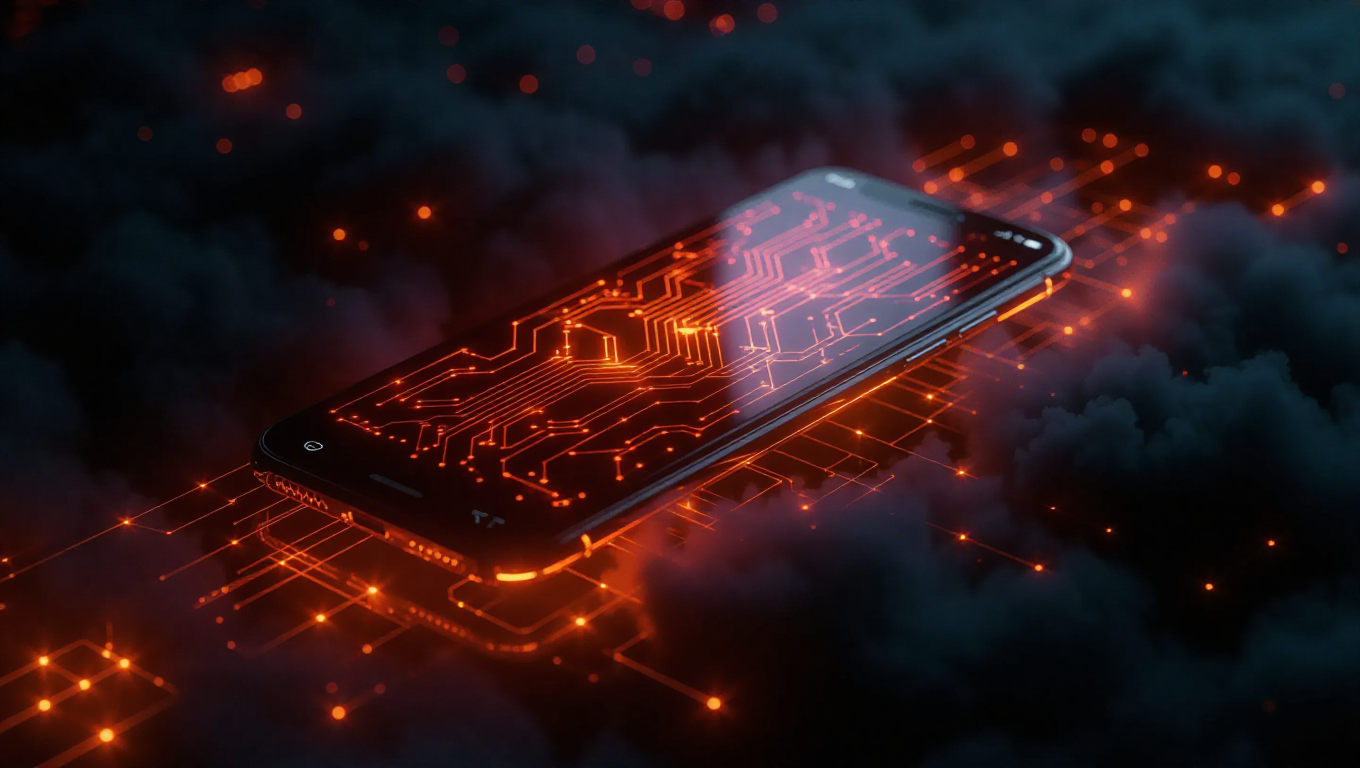
Why Your Android Phone Needs All That AI Processing Power
Since the generative AI boom began in 2023, skepticism has grown among tech enthusiasts about whether smartphones truly require dedicated AI processing hardware. With many transformative AI tools operating primarily in the cloud, questions have emerged about the necessity of powerful neural processing units (NPUs) in mobile devices.
The Cloud vs. On-Device AI Divide
The current AI landscape presents a split between "visible AI"—the chatbots and language models users directly interact with—and "invisible AI"—background features that leverage machine learning without explicit user awareness. Much of the computational heavy lifting for these applications occurs remotely on powerful servers, leading some to question whether high-end NPUs in smartphones represent expensive overkill for features that ultimately depend on internet connectivity.
Beyond Current Applications
The rationale for dedicated AI hardware extends beyond today's applications. While current AI features might rely on cloud processing, the industry is moving toward more sophisticated on-device capabilities. These include real-time language translation during phone calls, advanced computational photography that adapts to specific scenes, personalized health monitoring through sensors, and context-aware assistance that works without internet access.
Privacy and Latency Advantages
On-device AI processing offers significant privacy benefits by keeping sensitive data local rather than transmitting it to remote servers. This approach addresses growing concerns about data security and user privacy. Additionally, local processing eliminates latency issues associated with cloud-based AI, enabling instant responses for time-sensitive applications like live translation, augmented reality, and real-time photo enhancement.
The Future of Mobile AI
As AI models become more efficient and hardware more capable, the balance will shift toward on-device processing. Future applications will likely combine cloud and local processing strategically—using the cloud for training and complex tasks while deploying optimized models locally for everyday use. This hybrid approach will enable more responsive, private, and reliable AI experiences that work seamlessly regardless of network conditions.
Conclusion
The inclusion of dedicated AI processors in Android smartphones represents forward-looking engineering rather than unnecessary extravagance. While current implementations might not fully utilize this hardware, the industry is preparing for a future where AI becomes increasingly integrated into daily mobile experiences. The transition from cloud-dependent to balanced on-device AI will deliver more private, responsive, and capable smartphones that can handle sophisticated tasks without constant internet connectivity.