
Why This Galaxy Buds Feature Makes Other Earbuds Feel Outdated
In the competitive world of wireless earbuds, features like noise cancellation and sound quality often steal the spotlight. However, a subtle software innovation in Samsung's Galaxy Buds lineup is quietly redefining user expectations, turning what seemed like a minor addition into a deal-breaker for future purchases.
Long-time users of Galaxy Buds, having experienced multiple iterations since 2019, report that the latest models offer something beyond hardware upgrades. While improvements in audio and ANC are appreciated, it's a specific software capability that has become indispensable, transforming daily interactions with technology.
Voice Commands That Work Everywhere
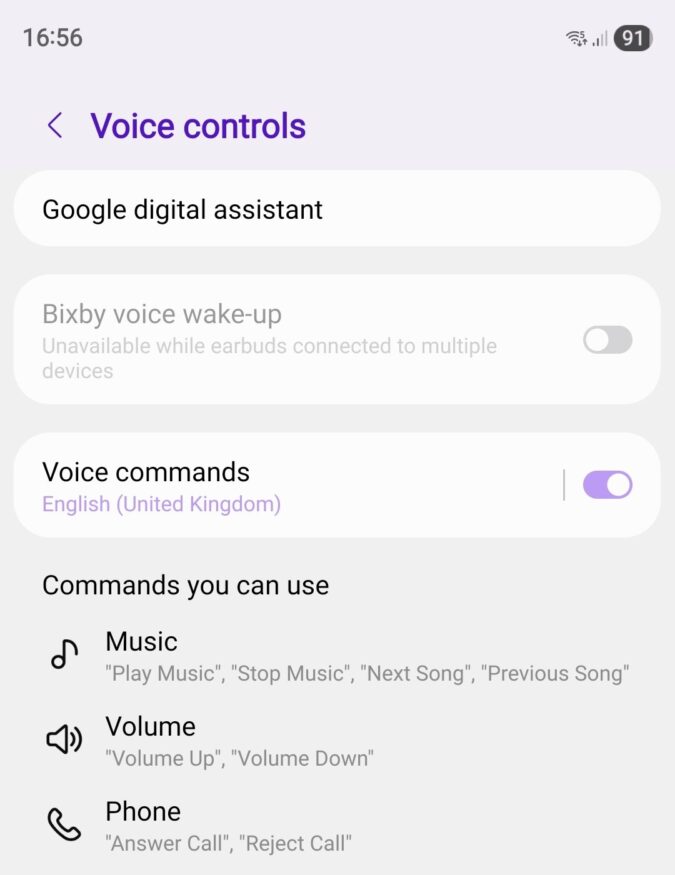
This feature centers on voice commands that function universally, without the need to interact with a smartphone. Users can initiate calls, adjust volume, skip tracks, or access assistants directly through the earbuds, regardless of the device they're connected to. This seamless integration eliminates friction in daily use, making tasks quicker and more intuitive.
Initially perceived by some as a gimmick, the practicality of this voice control has won over skeptics. It enhances accessibility during activities like commuting, exercising, or working, where pulling out a phone isn't feasible. The reliability and responsiveness of the system have been highlighted as key factors in its adoption, with users noting it works consistently in various environments.
Comparisons with other earbuds often reveal a gap in this area, as many competitors rely more on touch controls or limited voice integration tied to specific apps. The Galaxy Buds' approach offers a more holistic solution, reducing dependency on secondary devices and streamlining the user experience.
Why It's a Game-Changer
The impact of this feature extends beyond convenience; it represents a shift toward more autonomous wearable technology. By enabling direct voice interaction, the earbuds become a standalone interface rather than just an audio accessory. This aligns with growing trends in hands-free technology, catering to users seeking efficiency and minimal disruption.
Feedback indicates that once users experience this level of integration, reverting to earbuds without it feels limiting. It's not just about having voice commands—it's about their implementation being robust and context-aware, adapting to user needs without requiring manual setup for each use case.
In an era where earbuds are increasingly multifunctional, this feature sets a new benchmark. It underscores how software innovations can sometimes outweigh hardware specs, influencing purchasing decisions and brand loyalty. For many, it's now a non-negotiable element when evaluating new audio gear.
Conclusion
The Galaxy Buds' voice command feature exemplifies how thoughtful software design can elevate a product from good to essential. While flashy specs often dominate marketing, it's the everyday usability enhancements that truly resonate with users. This capability has proven so transformative that it's reshaping expectations, making it a critical consideration for anyone in the market for wireless earbuds. As technology evolves, such integrations may become standard, but for now, they offer a compelling reason to choose Galaxy Buds over alternatives.