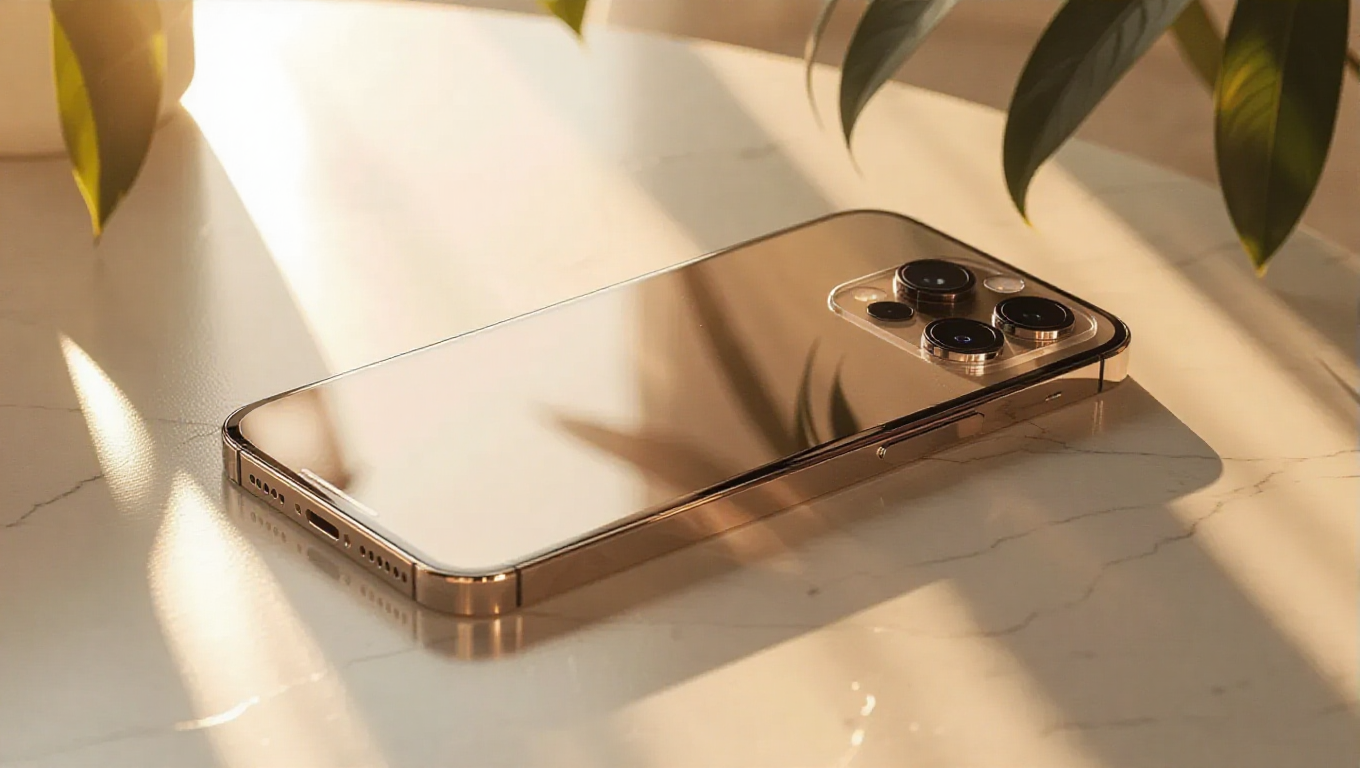
Why the Pixel 9a Design Should Define Google's Phone Future Without Ultra-Thin Models
As major smartphone manufacturers face challenges sustaining ultra-thin phone markets, Google appears to have found its ideal design direction in the Pixel 9a. The device represents what could be the company's most sustainable path forward in an industry grappling with the practical limitations of extreme thinness.
The Market Reality for Ultra-Thin Phones
Recent developments suggest that even industry leaders are struggling to maintain viable ultra-thin phone categories. With competitors facing significant challenges in this segment, Google appears wise to avoid entering a market that has proven difficult to sustain. The technical compromises required for extreme thinness often come at the cost of battery life, durability, and thermal performance—areas where mainstream users prioritize reliability over minimal dimensions.
The Pixel 9a's Balanced Approach
The Pixel 9a demonstrates Google's strength in delivering thoughtful, practical design rather than chasing thinness for its own sake. The device maintains comfortable proportions while housing capable hardware that delivers consistent performance. Its flat-sided design provides excellent grip and usability, addressing common complaints about slippery ultra-thin devices that often require cases for practical daily use.
Aspirational Yet Practical Design
What makes the Pixel 9a particularly compelling as a design template is its ability to feel premium without sacrificing functionality. The camera bar, a signature Pixel element, integrates seamlessly while providing structural benefits. This approach allows for better thermal management and room for larger sensors compared to the compromises necessary in ultra-thin designs. The result is a device that performs reliably under various conditions rather than one that prioritizes form over function.
Sustainable Design Philosophy
Google's apparent decision to focus on the Pixel 9a's design language represents a more sustainable approach to smartphone development. By avoiding the engineering challenges and component compromises of ultra-thin devices, the company can deliver better value and longevity. This philosophy aligns with growing consumer interest in devices that offer reliable performance over extended periods rather than chasing fleeting design trends.
The Path Forward
As the smartphone market matures, differentiation through practical innovation rather than dimensional extremes appears to be the more viable strategy. The Pixel 9a's design demonstrates that Google understands this shift. Its balanced approach offers users a device that feels modern and capable without the drawbacks associated with ultra-thin construction. This direction could serve Google well as it positions future Pixel devices in a competitive landscape where practicality increasingly trumps novelty.
Conclusion
The Pixel 9a represents more than just another mid-range option in Google's lineup—it embodies a design philosophy that could define the company's smartphone future. As ultra-thin categories face market headwinds, the Pixel 9a's thoughtful balance of form and function offers a compelling alternative. Google appears positioned to succeed by focusing on what makes smartphones genuinely useful rather than chasing dimensions that compromise the user experience.