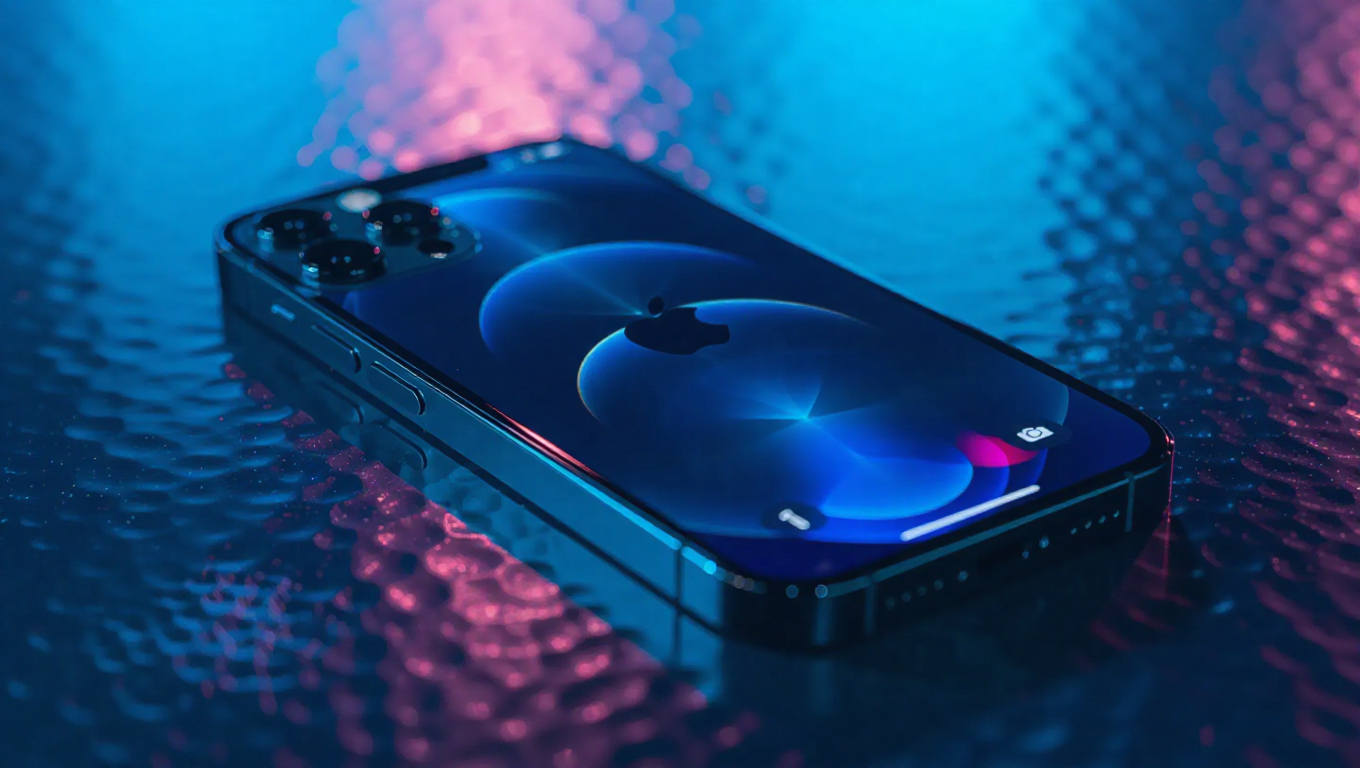
Why the iPhone 17 Defined Smartphone Innovation in 2025
As 2025 draws to a close, the smartphone landscape has experienced one of its most transformative years. Android manufacturers made significant strides with technological breakthroughs, from advanced battery technologies to refined device ecosystems. Yet, amidst these achievements, a single device captured the industry's attention and redefined expectations: Apple's iPhone 17.
The Android Context: A Year of Progress
2025 witnessed substantial innovation within the Android ecosystem. Major manufacturers pushed boundaries with new battery technologies that promised longer life and faster charging. Foldable devices reached new levels of sophistication and mainstream appeal, while established smartphone formulas were refined to near-perfection. These developments represented meaningful progress in smartphone technology and user experience.
The iPhone 17's Defining Impact
Despite Android's advancements, the iPhone 17 emerged as the year's most significant smartphone release. Its influence extended beyond typical annual upgrades, fundamentally shifting industry conversations and consumer expectations. The device's impact was so profound that it overshadowed even the most notable Android achievements of the year.
What made the iPhone 17 particularly noteworthy was its ability to redefine what consumers and industry observers considered important in a smartphone. While Android manufacturers focused on incremental improvements and specific technological innovations, Apple's latest flagship addressed broader user needs and ecosystem integration in ways that resonated across the market.
Beyond Specifications: Shifting Industry Dynamics
The iPhone 17's significance lies not merely in its technical specifications, but in how it changed the competitive landscape. Its release prompted a reevaluation of what constitutes meaningful innovation in the smartphone space. Where Android manufacturers often compete on specific features or technologies, the iPhone 17 demonstrated the power of holistic design and ecosystem integration.
This shift in perspective has implications for how future smartphones will be developed and marketed. The iPhone 17's success suggests that consumers value seamless experiences and ecosystem benefits as much as, if not more than, individual technological breakthroughs.
Conclusion: A Watershed Moment
The iPhone 17's emergence as 2025's most important smartphone represents a watershed moment in mobile technology. It demonstrates that in an era of rapid technological advancement, the most significant innovations may not always be the most technically complex. Instead, the ability to integrate technologies into a cohesive, user-centric experience can have the greatest impact on the industry.
As the smartphone market moves forward, the lessons from the iPhone 17's 2025 dominance will likely influence both Apple's and Android manufacturers' approaches to innovation. The device has set a new benchmark for what constitutes meaningful progress in an increasingly mature market, ensuring its place as the defining smartphone of its year.