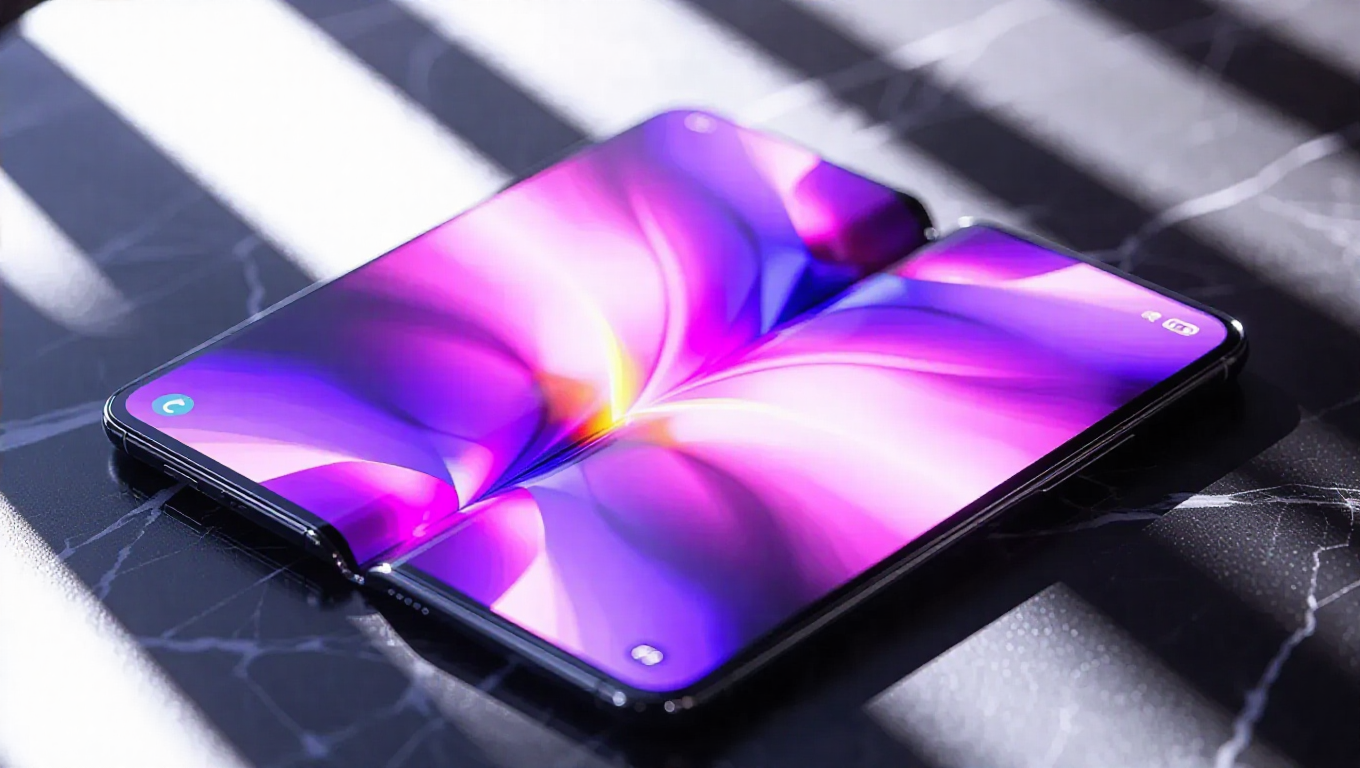
Why One UI 8.5 Beta Exclusivity Drove a User Away from the Galaxy Z Fold 7
In the competitive landscape of flagship smartphones, software updates have become a critical differentiator. A recent experience with Samsung's Galaxy Z Fold 7 reveals a growing frustration among premium device owners regarding unequal access to software betas.
The Hardware Compromise Becomes Manageable
The transition from a Galaxy S25 Ultra to the Galaxy Z Fold 7 initially presented the expected trade-offs. Foldable devices have historically lacked the advanced zoom camera capabilities reserved for Samsung's Galaxy S Ultra models—a limitation that has deterred many photography enthusiasts from adopting foldables as daily drivers. However, as hardware improvements continue, this particular compromise was becoming increasingly acceptable for everyday use.
Software Inequality Emerges as the Deciding Factor
The turning point arrived with Samsung's official One UI 8.5 beta release for the Galaxy S25 series. Early firmware builds had demonstrated significant improvements, and once the beta reached sufficient stability for daily use, the software disparity became impossible to ignore. The Galaxy Z Fold 7, despite being one of Samsung's newest and most expensive devices at approximately $2,000, remained excluded from this beta program.
This exclusion highlights a persistent issue in Samsung's beta rollout strategy. Eight years after launching its first One UI beta program, the company continues to limit initial access to a single flagship lineup and restricts availability to just seven markets. Reports indicate that nearly two months after the Galaxy S25 beta launch, there remains no indication of expansion to other devices.
The Premium Price Paradox
The core frustration stems from the disconnect between device pricing and software prioritization. When consumers invest $2,000 in a smartphone, they reasonably expect premium treatment across all aspects of ownership, including early access to software improvements. Samsung's current approach sends a clear message: Galaxy S buyers remain the priority, and those seeking early One UI access should direct their purchases accordingly.
From a business perspective, prioritizing the higher-volume Galaxy S series makes logical sense. However, this logic falters when applied to a device positioned as a flagship product. If Samsung genuinely considers the Fold line part of its flagship portfolio, it should receive equal software consideration—particularly for beta programs that allow early adopters to experience and provide feedback on upcoming features.
A Call for Equal Treatment
The decision to abandon the Galaxy Z Fold 7 wasn't driven by dissatisfaction with One UI itself, but rather by its continuous improvement making the software disparity increasingly noticeable. While some users have the flexibility to switch between multiple flagship devices, most consumers make a single substantial investment and expect consistent support.
Samsung's current approach creates a tiered system where certain flagship buyers receive preferential treatment while others wait. For the foldable market to mature beyond niche status, software support must evolve to match the premium positioning of these devices. At minimum, One UI betas should roll out simultaneously to all current-generation flagships, ensuring equal access to software innovations regardless of form factor.
Conclusion: Software Equality as a Premium Expectation
The experience with the Galaxy Z Fold 7 underscores a growing expectation among premium smartphone users: software support should match device pricing and positioning. As foldable technology advances and gains broader adoption, software update strategies must evolve accordingly. Samsung's current selective beta approach risks alienating the very customers investing most heavily in its ecosystem. For true flagship parity to exist, software access must become democratized across all premium device categories, ensuring that no $2,000 smartphone feels like a second-class citizen in its own ecosystem.