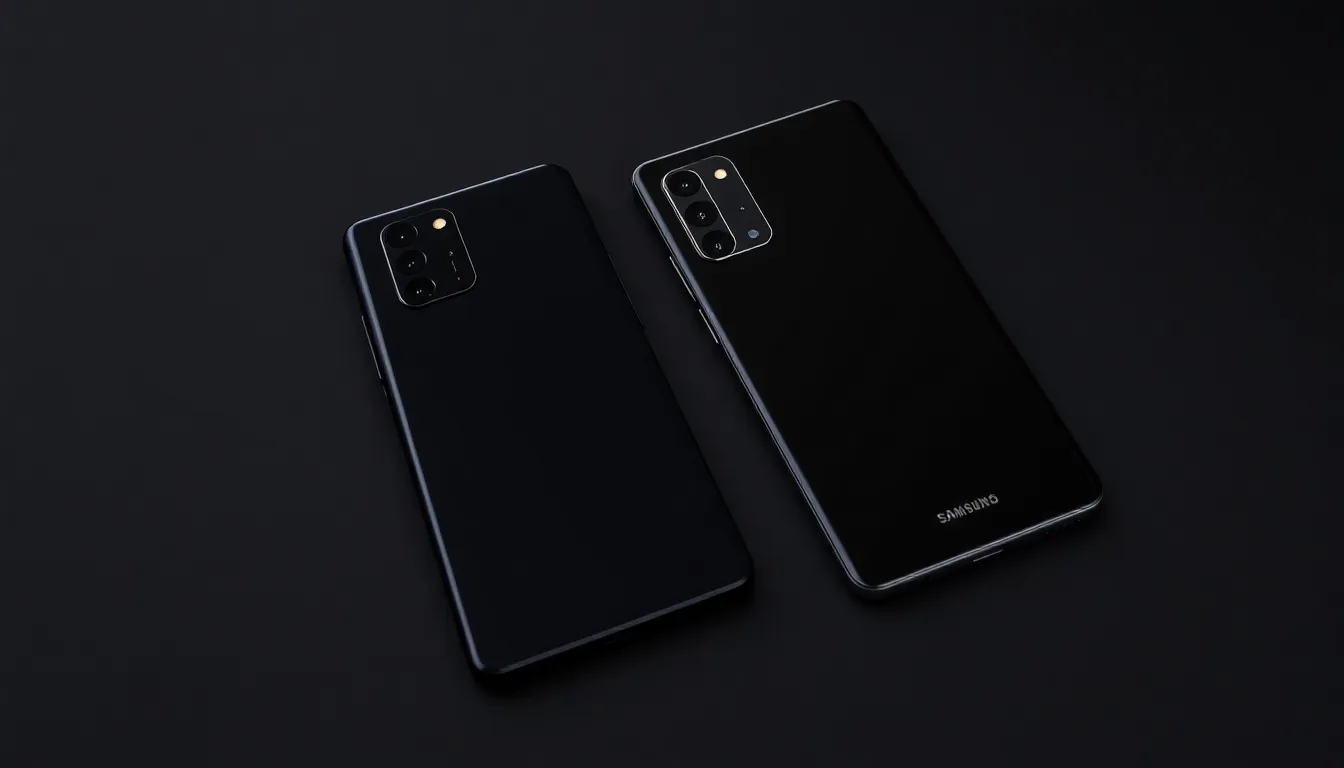
Why Galaxy S20 Users Should Consider Upgrading to Galaxy S25 Now
After five years of reliable service, Samsung has ended software support for the Galaxy S20 series, leaving users with devices that no longer receive critical security updates. While extending a phone's lifespan is commendable, continuing to use an unsupported device poses security risks. For S20 owners, this transition period presents an ideal opportunity to upgrade to the Galaxy S25, which offers substantial improvements across nearly every category.
The Security Imperative
The primary concern for Galaxy S20 users is security. Without regular security patches, devices become increasingly vulnerable to emerging threats over time. While the S20 served admirably through its five-year support window, continuing to use it beyond this point exposes users to potential security compromises that modern devices are designed to prevent.
Where the S20 Still Holds Advantages
Objectively, the Galaxy S20 maintains two technical advantages over its newer counterpart. The device features a higher 3200 x 1440 display resolution compared to the S25's 2340 x 1080 pixels, and it includes a microSD card slot for expandable storage. However, these advantages prove less significant in practical use.
The S20 cannot maintain its higher resolution while using the 120Hz refresh rate, diminishing the benefit of the extra pixels. Meanwhile, modern applications and games typically cannot be installed on external storage, limiting the microSD card's utility primarily to media storage. The Galaxy S25's faster UFS 4.0 internal storage provides superior performance for applications and multitasking.
Substantial Upgrade Benefits
The performance gap between the two devices is dramatic. The Galaxy S20, particularly global models using the Exynos 990 chipset, struggled with efficiency and thermal management. In contrast, the Galaxy S25 features the Snapdragon 8 Elite processor globally, delivering significantly smoother user interfaces, faster app loading, and superior gaming performance.
Beyond raw processing power, the Galaxy S25 introduces numerous enhancements:
- Superior build quality with Gorilla Glass Victus 2 and Armor Aluminum 2 frame
- Brighter 2600-nit display with LTPO technology and full-screen Always On Display
- Minimum 12GB RAM configuration for improved multitasking
- Advanced connectivity including Wi-Fi 7 and Bluetooth 5.4
- Enhanced camera system with better photo and video capabilities
- Access to Galaxy AI features and seven years of Android updates
- Improved speaker quality and audio performance
Timing Considerations
With the Galaxy S26 expected next year, some users might consider waiting. However, current market conditions make upgrading to the S25 particularly attractive. Significant discounts are available through various promotions, with trade-in programs further reducing costs. In some markets, combined discounts and trade-in values can bring the effective price below typical launch pricing for new models.
The Galaxy S26 is unlikely to match these discounted prices upon release, making the current S25 offers compelling for budget-conscious upgraders. For users seeking maximum value, upgrading now provides immediate access to modern features while avoiding the security risks of continuing with an unsupported device.
Conclusion
The transition from Galaxy S20 to Galaxy S25 represents more than just a routine upgrade—it's a necessary step for maintaining device security and accessing modern smartphone capabilities. While the S20 served well during its supported lifespan, the combination of ended security updates and substantial improvements in the S25 creates a compelling case for immediate upgrade. Current pricing opportunities further strengthen this proposition, offering S20 users an optimal moment to transition to a device that will receive support through 2032.