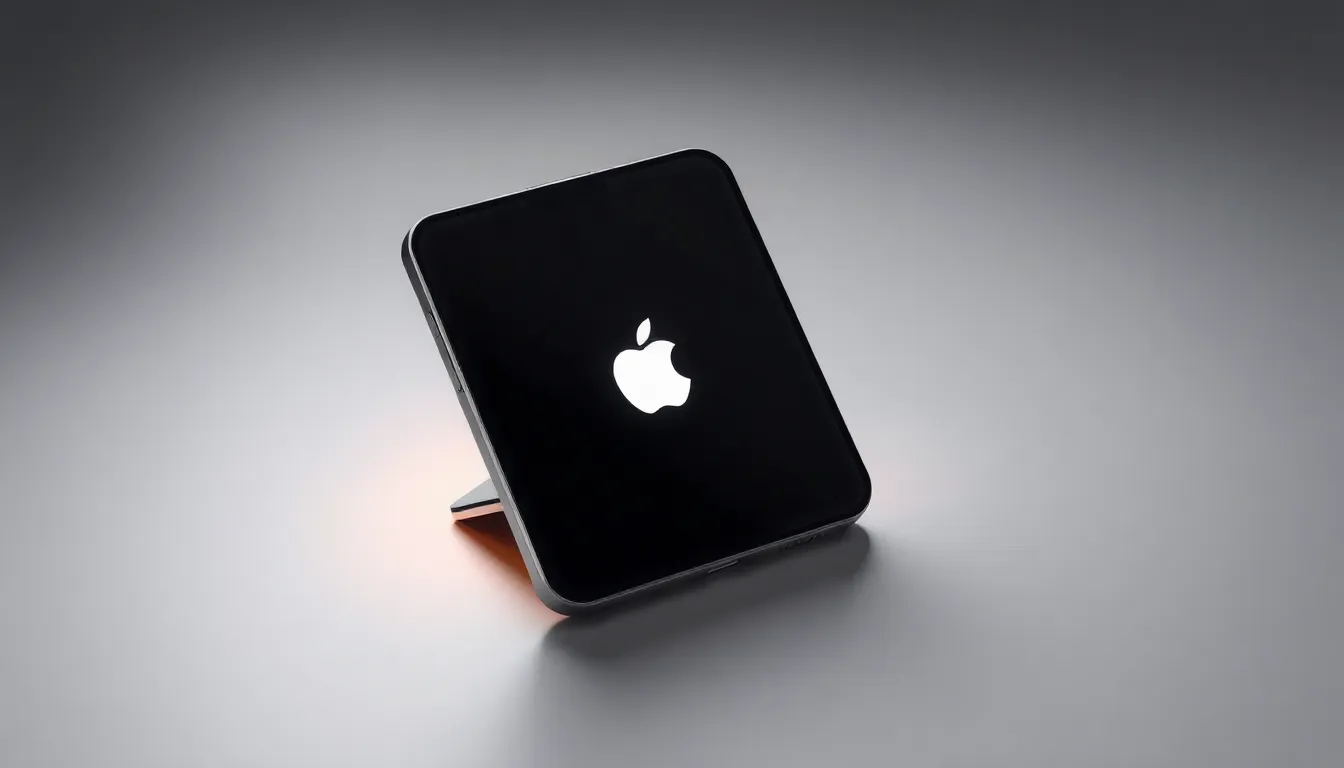
Why Apple's Rumored iPhone Fold Could Revive a Failed Foldable Form Factor
The foldable smartphone market has settled into predictable patterns since its inception, with Android manufacturers largely converging on two primary designs: clamshell flip phones and book-style devices that expand to roughly double the width of a standard smartphone. However, as anticipation builds for Apple's potential entry into this space, there's growing speculation that the company might revive a form factor that Android brands, including Google with its Pixel Fold, attempted but ultimately failed to establish in the market.
The Android Foldable Stagnation
Despite early promises of innovation, the Android foldable market has shown limited evolution in recent years. Most manufacturers have settled into comfortable patterns with either compact flip-style devices or larger tablet-like foldables that essentially function as wider smartphones when unfolded. This convergence suggests a market that has found its niches but may have lost some of its initial transformative potential.
Google's Pixel Fold represented one of the more ambitious attempts to push beyond these established categories, but like other Android foldables before it, the device failed to catalyze significant market transformation or establish a lasting new form factor. The challenges have been consistent across the Android ecosystem: balancing durability concerns with practical usability, justifying premium pricing for what many consumers still view as novelty devices, and creating software experiences that genuinely leverage the unique hardware capabilities.
Apple's Potential Advantage
Apple's rumored entry into the foldable market comes with several potential advantages that could address the limitations that have constrained Android foldables. The company's tightly integrated ecosystem of hardware, software, and services could enable a more cohesive user experience than what has been achieved in the fragmented Android market. Apple's reputation for refined execution and attention to detail might also help overcome the durability concerns that have plagued early foldable devices.
Perhaps most importantly, Apple's established market position and loyal customer base could provide the critical mass needed to make a new form factor commercially viable. Where Android manufacturers have struggled to convince mainstream consumers to adopt foldables, Apple's brand strength and marketing prowess might succeed in normalizing what has remained a niche product category.
The Form Factor Revival
The specific form factor that Apple might revive remains speculative, but analysis suggests it could involve a design that Android manufacturers explored but ultimately abandoned due to technical challenges or market reception. This could include more radical approaches to screen folding, innovative hinge mechanisms, or unique aspect ratios that better balance portability with expanded screen real estate.
What makes Apple's potential attempt different is the company's historical pattern of entering markets after initial experimentation by competitors, then refining concepts to mainstream appeal. This approach has worked with smartphones, tablets, and smartwatches, and there's reason to believe it could work with foldables as well. The company's control over both hardware and software could enable optimizations that have eluded Android manufacturers working with more fragmented ecosystems.
Conclusion: A Potential Market Transformation
While details about Apple's foldable plans remain unconfirmed, the potential impact on the market is significant. An iPhone Fold could provide the validation and mainstream appeal that has eluded Android foldables, potentially reviving interest in form factors that previously failed to gain traction. More importantly, it could push the entire industry toward more innovative designs and better-integrated experiences.
The success of such a device would depend on Apple's ability to address the fundamental challenges that have limited foldable adoption: durability, price, and genuinely useful software adaptations. If the company can deliver on these fronts while introducing a compelling new form factor, it could transform the foldable market from a niche segment into a mainstream product category, much as it did with smartphones themselves over a decade ago.