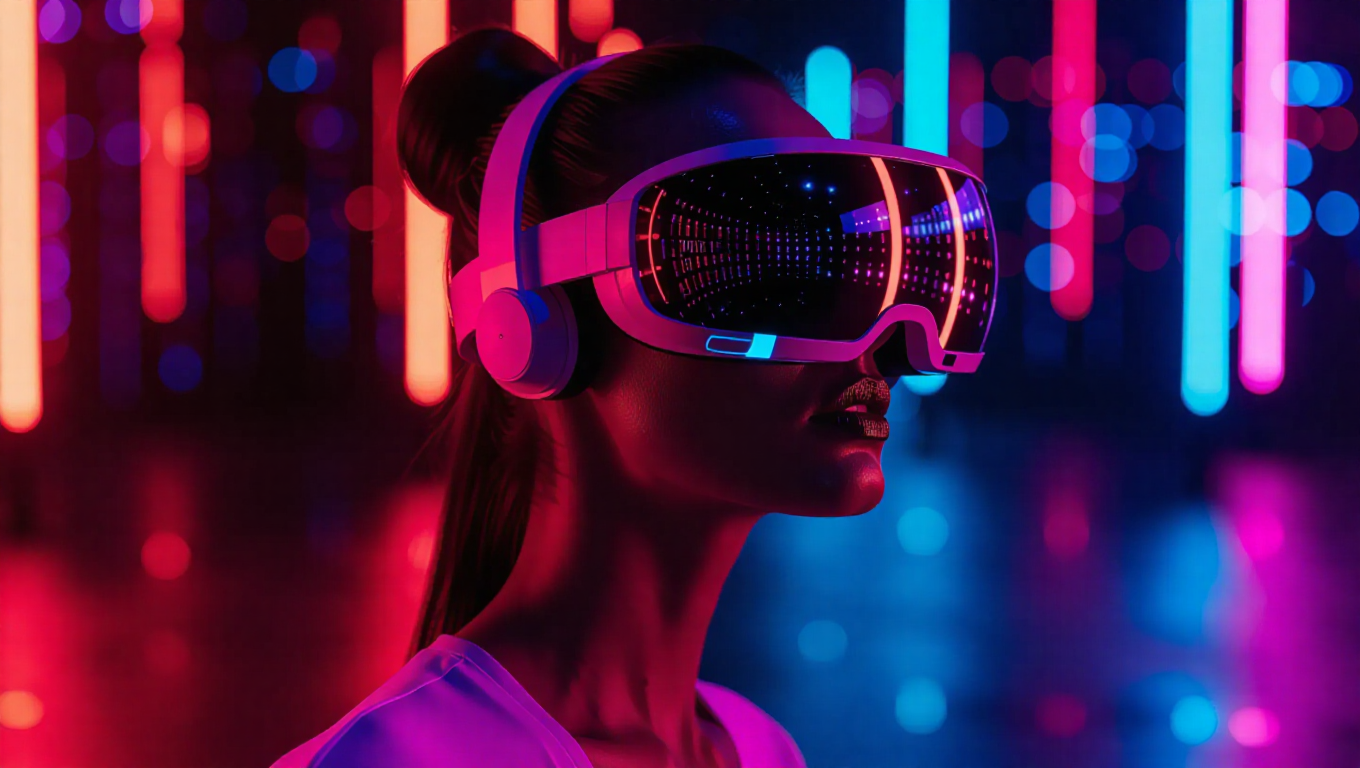
Why Android XR Glasses Generate Excitement Beyond AI Hype
In the rapidly evolving tech landscape, augmented reality (AR) and extended reality (XR) devices are capturing attention, with Android XR glasses emerging as a notable development. While AI models like Gemini often dominate discussions, some observers are looking beyond AI to the hardware and experiential innovations these glasses might bring.
Focus on Camera and Hardware Innovation
The anticipation for Android XR glasses stems partly from their potential to redefine mobile photography and videography. Unlike traditional smartphones, XR glasses could offer new perspectives for capturing images and videos, leveraging their form factor to enable hands-free operation and unique angles. This shift might inspire smartphone manufacturers to explore novel camera systems, sensors, and software integrations, moving beyond incremental upgrades to more transformative hardware designs.
Reports indicate that prototypes showcased at recent tech events suggest a focus on sleek, wearable designs that prioritize user comfort and functionality. The integration of advanced optics and displays could enhance real-time visual overlays, but it's the underlying camera technology that holds promise for creative and practical applications, from immersive content creation to enhanced navigation.
Separating AI Concerns from XR Potential
Discussions around AI, including models like Gemini, often highlight issues such as data privacy, environmental impact, and content originality. However, the excitement for Android XR glasses is rooted in tangible hardware advancements rather than AI-driven features. By decoupling these aspects, the conversation shifts to how XR devices can improve daily tasks through better ergonomics, display clarity, and sensor accuracy, without relying heavily on generative AI.
This perspective emphasizes a balanced view of technology, where skepticism about certain AI implementations doesn't overshadow the potential benefits of new form factors. As the tech industry evolves, the success of XR glasses may depend on their ability to deliver practical value, such as enhanced connectivity and user interfaces, independent of AI hype.
Conclusion: A Future Built on Hardware Ingenuity
Looking ahead, Android XR glasses represent a frontier in wearable technology that could spur innovation across the mobile ecosystem. By focusing on camera experiences and hardware design, these devices offer a glimpse into a future where technology enhances human interaction with the physical world in meaningful ways. As development continues, the key will be to prioritize user-centric features that leverage XR's strengths, ensuring that advancements in glasses translate to real-world utility and enjoyment.