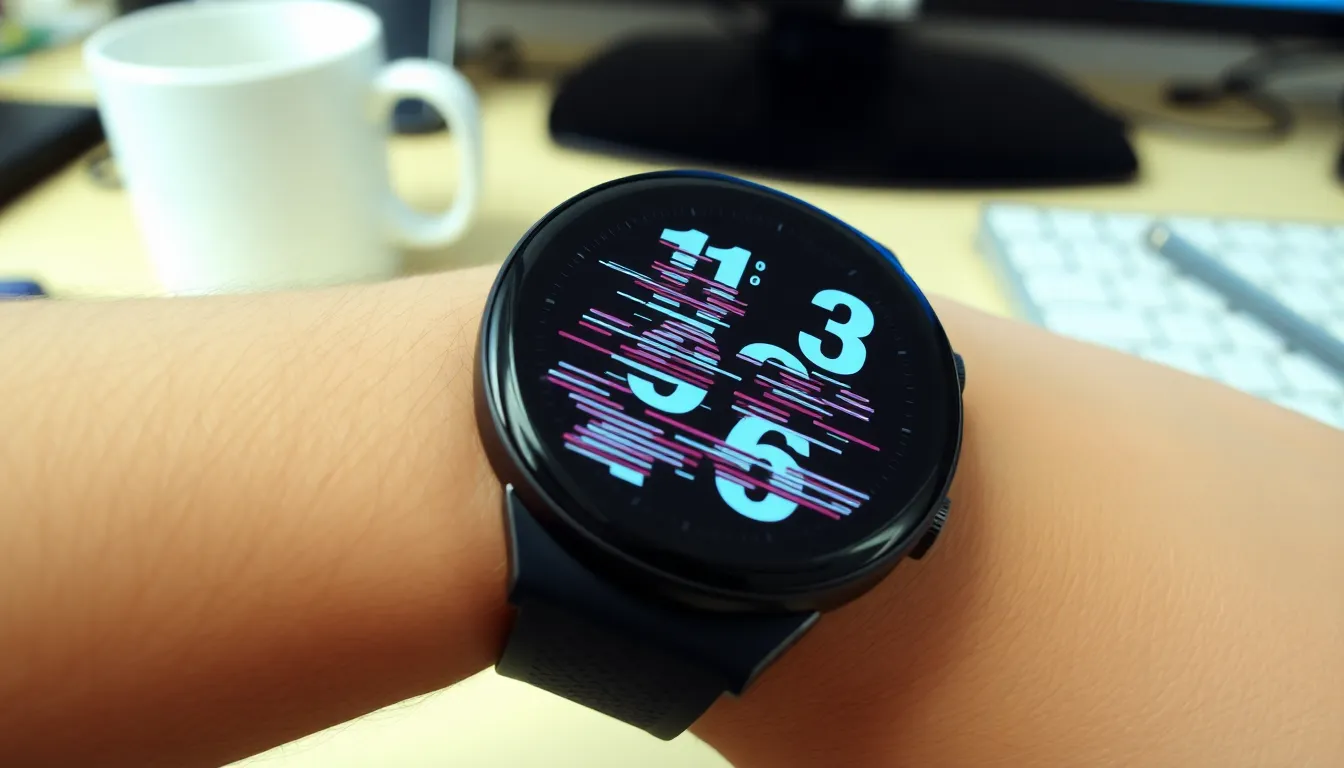
Wear OS 6 Bug Disrupts Third-Party Watch Faces on Pixel and Galaxy Watches
A software issue is currently impacting the user experience on recent Wear OS smartwatches, specifically affecting how third-party watch faces are displayed. The problem appears to be linked to the latest Wear OS 6 and 6.1 updates, which have rolled out to Pixel Watch devices and are part of the One UI 8 Watch experience on compatible Galaxy Watch models.
The Core Display Glitch
The bug manifests as a visual disruption during the transition between the watch's always-on display (AOD) state and its fully active state. When a user raises their wrist or interacts with the watch to wake it from the AOD mode, graphical elements from the simplified always-on version of a third-party watch face fail to disappear properly. These lingering elements—which can include numbers, indices, or other design components—remain superimposed over the full, detailed watch face.
This creates a cluttered, overlapping display that significantly hinders readability. The core function of a smartwatch—to tell the time and show information at a glance—is compromised, as users must decipher information through visual noise. The issue is isolated to watch faces downloaded from sources like the Google Play Store, not the pre-installed options provided by Google or Samsung.
Scope and User Impact
Reports indicate the problem affects a wide range of devices running the affected software versions. This includes all Pixel Watch models that have received the Wear OS 6.1 update and Galaxy Watch models updated to One UI 8 Watch, which is based on Wear OS 6. The consistency of reports across device forums suggests a systemic software problem rather than an isolated hardware fault.
For users who rely on or prefer custom watch faces for aesthetics, complications, or specific information layouts, this bug represents a notable degradation in functionality. It undermines a key aspect of smartwatch personalization. While the watches remain operational for notifications, fitness tracking, and other core features, the compromised watch face display is a persistent and frustrating inconvenience.
Current Workaround and Outlook
As of now, there is no official patch or firmware fix available for the issue. The most reliable temporary solution is for affected users to switch their active watch face to one of the default, pre-installed options from Google or Samsung. These first-party faces do not exhibit the same transition bug, allowing for normal operation of the AOD and active display states.
The emergence of this bug following recent Wear OS updates highlights the challenges of maintaining software stability across diverse hardware and third-party applications. It is expected that Google and Samsung are aware of the user reports and are investigating a fix for a future software update. In the meantime, users seeking an uninterrupted experience may need to temporarily forgo their preferred third-party watch faces until a resolution is deployed.
Conclusion
A display transition bug in Wear OS 6 and 6.1 is currently disrupting the use of third-party watch faces on popular smartwatches from Google and Samsung. The issue, which leaves artifacts on the screen and impairs readability, affects a core user experience feature. While a definitive fix is pending, users can avoid the problem by reverting to manufacturer-provided watch faces. This incident serves as a reminder of the software dependencies in modern wearable ecosystems and the impact glitches can have on daily utility.