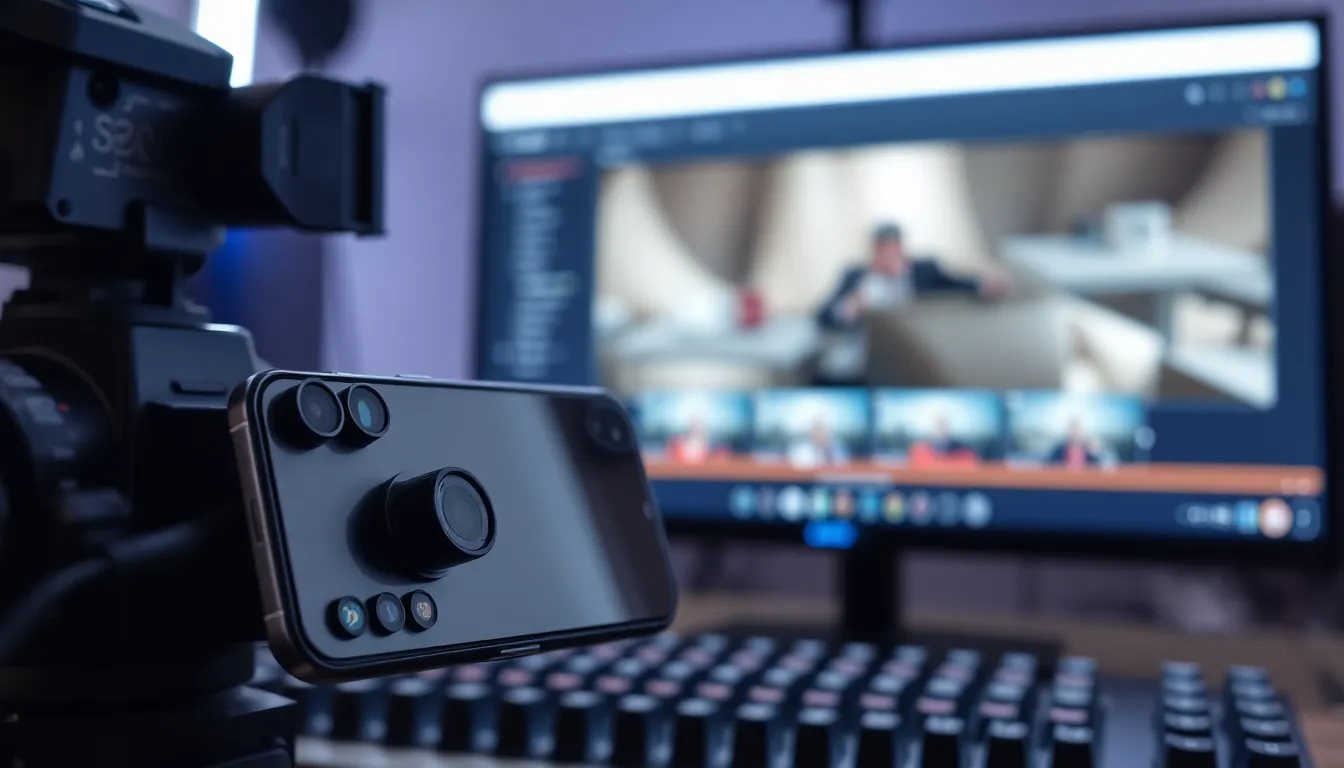
Vivo X300 Ultra to Support Samsung's APV Codec, Expanding Professional Video Capabilities
Vivo has confirmed that its upcoming flagship smartphone, the X300 Ultra, will support Samsung's Advanced Professional Video (APV) codec, making it the first non-Samsung device to incorporate this professional-grade video technology. The announcement comes shortly after Samsung introduced APV support on its Galaxy S26 Ultra, positioning both devices at the forefront of mobile video innovation.
APV Codec: Professional Video for Mobile Devices
Samsung's APV codec represents a significant advancement in mobile video technology, designed to deliver perceptually lossless video quality while maintaining efficient file sizes. The format can reduce file sizes by up to 20% compared to modern codecs like HEVC while preserving image quality through multiple editing and export cycles. This efficiency makes APV particularly valuable for content creators who need to manage storage while maintaining professional video standards.
The codec's intra-frame encoding structure, where each frame is encoded independently, offers practical benefits for video editing. This approach reduces latency during playback and scrubbing in editing software and makes footage easier to manipulate in post-production. Several professional video editing applications, including CapCut, DaVinci Resolve, and LumaFusion, already support the APV format, creating a ready ecosystem for content creators.
Vivo X300 Ultra Camera Specifications
The Vivo X300 Ultra features a sophisticated camera system that combines sensors from Sony and Samsung. The primary camera utilizes a 200MP Sony LYTIA LYT901 sensor with a 1/1.12-inch size, 35mm focal length, and optical image stabilization. Complementing this is a 200MP Samsung ISOCELL HPB telephoto camera offering 3.7x optical zoom, along with a 50MP Sony ultrawide camera and a 50MP front-facing camera.
Vivo has also introduced an optional Teleconverter accessory that extends the primary camera's zoom capability to an effective 400mm focal length, equivalent to approximately 11.4x optical zoom. This accessory, combined with the phone's native camera hardware, creates a versatile imaging system capable of capturing everything from wide landscapes to distant subjects.
Technical Implementation and Market Impact
The APV codec support on the Vivo X300 Ultra is enabled through Qualcomm's Snapdragon 8 Elite Gen 5 processor, which includes hardware acceleration for the format. This same chipset powers Samsung's Galaxy S26 Ultra, ensuring consistent performance across both devices. Google's integration of native APV support in Android 16 further solidifies the codec's position within the Android ecosystem.
Vivo's decision to support APV represents a strategic move in the competitive flagship smartphone market. By adopting Samsung's professional video technology, Vivo positions the X300 Ultra as a serious contender for content creators and professionals who prioritize video capabilities. The company has confirmed global availability for the X300 Ultra, including select Asian markets outside China and several European countries, marking the first time Vivo will release one of its Ultra models more broadly.
Conclusion
The integration of Samsung's APV codec into the Vivo X300 Ultra signals a growing trend toward professional-grade video capabilities in flagship smartphones. As mobile devices increasingly serve as primary content creation tools, technologies like APV that balance quality, efficiency, and workflow integration become increasingly valuable. Vivo's adoption of this technology not only enhances the X300 Ultra's competitive positioning but also contributes to the broader ecosystem development around professional mobile video production. The convergence of hardware capabilities, software support, and codec efficiency represented by this development points toward a future where smartphones can genuinely compete with dedicated video equipment for many professional applications.