Viral 'Are You Dead?' iOS App Checks Vitality, But Android Has Alternatives
A new iOS application called "Are You Dead?" has gained viral attention for its morbidly straightforward premise: users must tap a large green button daily to confirm they're alive, with failure triggering alerts to emergency contacts. While the app's dramatic approach has captured social media interest, Android users aren't missing out on similar functionality.
The Viral iOS App's Simple Yet Morbid Concept
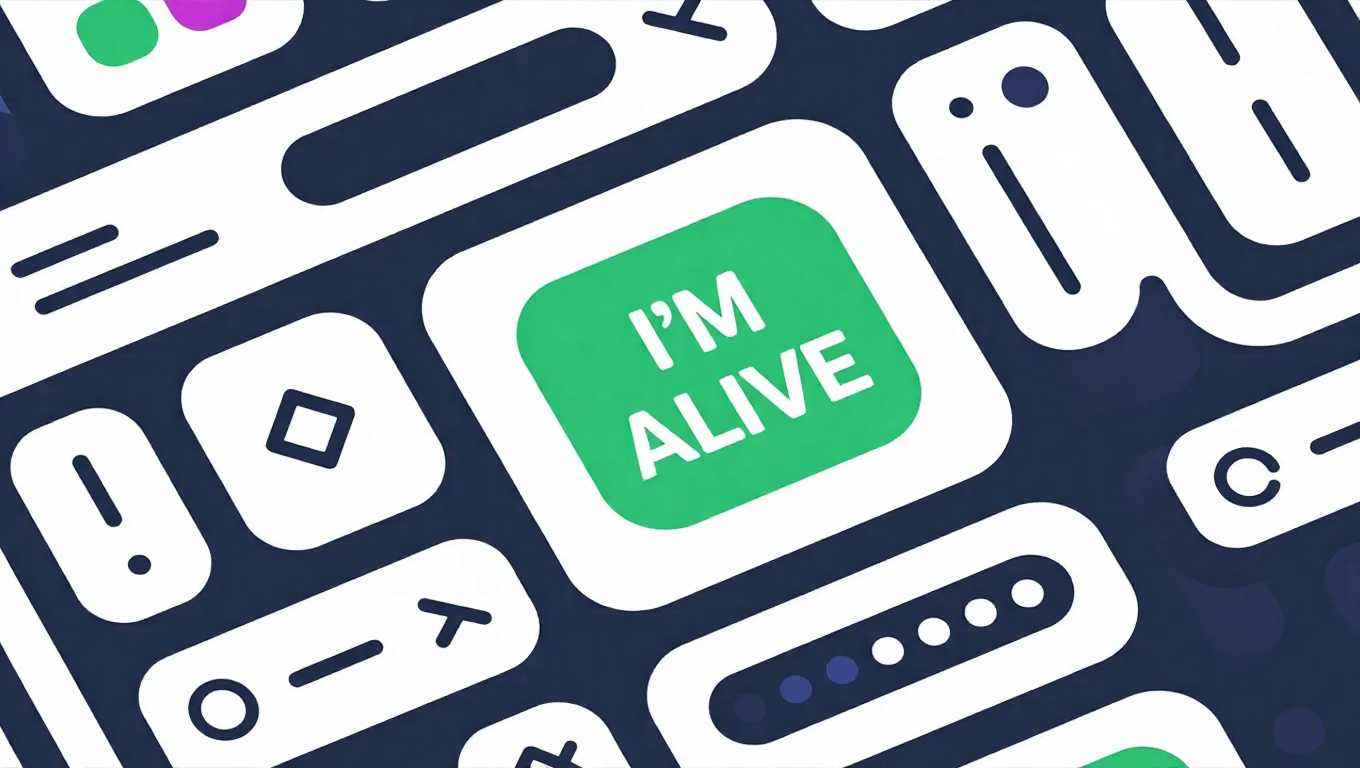
The "Are You Dead?" app presents users with a single green button labeled "I'm Alive." Tapping this button daily confirms the user's vitality and resets the timer. If the button remains untapped beyond the set period, the app automatically sends notifications to predetermined emergency contacts, suggesting the user might be deceased or incapacitated. This stark, binary approach to personal safety monitoring has resonated with users concerned about dying unnoticed, particularly those living alone or with health conditions.
The app's viral success appears driven by its minimalist design and provocative name rather than technological innovation. It essentially functions as a digital dead man's switch, requiring regular user interaction to prevent alarm notifications. Reviews indicate users appreciate the app's simplicity and the peace of mind it provides, though some note the psychological weight of daily mortality reminders.
Android's Existing Alternatives and Built-in Features
While the iOS app has captured headlines, Android users have long had access to similar functionality through various applications and system features. Several Android apps offer comparable "safety check-in" services, allowing users to set regular intervals for confirming their wellbeing. These apps typically provide more customization options than the viral iOS version, including adjustable check-in frequencies, multiple contact methods, and integration with other safety services.
More significantly, Android's operating system includes built-in safety features that serve similar purposes. The Personal Safety app available on many Android devices offers emergency sharing, car crash detection, and safety check scheduling. These integrated tools provide robust alternatives to third-party applications, with the advantage of deeper system integration and potentially better battery optimization.
Additionally, Android's open ecosystem has fostered numerous specialized safety applications catering to different needs, from medical alert systems to location-sharing services for hikers and travelers. This diversity means Android users can choose solutions tailored to their specific circumstances rather than relying on a one-size-fits-all approach.
The Broader Context of Digital Safety Tools
The viral success of "Are You Dead?" highlights growing public interest in digital tools for personal safety and wellbeing monitoring. As more people live alone or maintain long-distance relationships with family, technology that provides reassurance about loved ones' welfare has increasing appeal. The app's popularity suggests a market for simple, accessible solutions to complex emotional needs around mortality and connection.
However, experts note that such tools should complement rather than replace traditional safety measures and human relationships. While digital check-ins can provide valuable alerts in emergencies, they cannot substitute for regular human contact or professional medical monitoring for those with serious health conditions.
Conclusion
The viral "Are You Dead?" iOS app has successfully tapped into genuine concerns about dying unnoticed, offering a starkly simple solution through daily button presses. While its provocative approach has generated significant attention, Android users have access to comparable functionality through existing applications and integrated system features. The app's popularity underscores broader interest in digital safety tools, though such solutions work best as supplements to, rather than replacements for, human connection and comprehensive safety planning. As technology continues to evolve, we can expect further innovation in this space, with platforms likely developing more sophisticated and integrated approaches to personal safety monitoring.