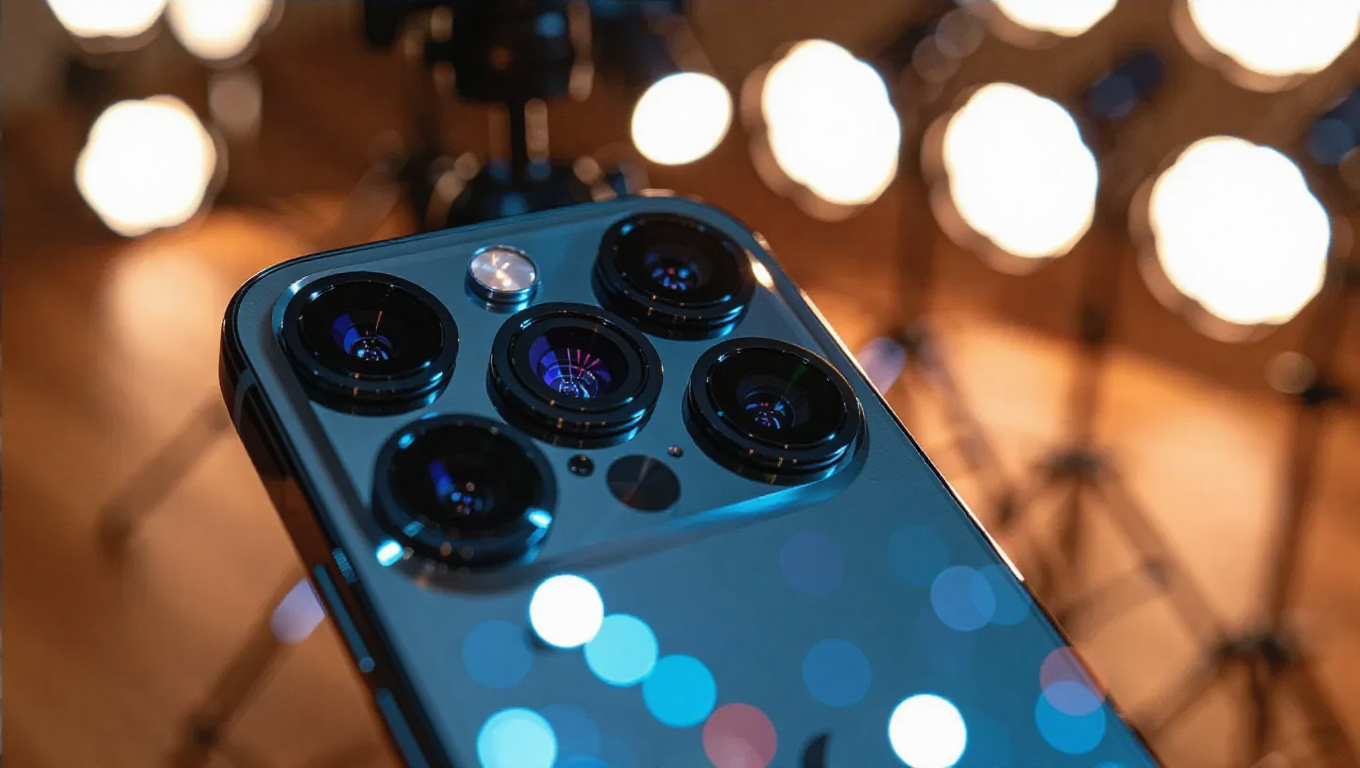
Variable Aperture Cameras: Are Smartphone Giants Focusing on the Wrong Lens?
Recent industry rumors indicate that major smartphone manufacturers are considering implementing variable aperture technology in their upcoming flagship devices. This development comes nearly a decade after the technology first appeared in consumer smartphones, with several manufacturers having already adopted variable aperture systems in recent years. However, a growing analysis suggests that this camera technology might be better suited for telephoto lenses rather than the primary main camera where it's currently being implemented.
The Current State of Variable Aperture Technology
Variable aperture technology allows smartphone cameras to physically adjust the size of the lens opening, controlling how much light reaches the sensor. This capability enables photographers to achieve specific creative effects, particularly in controlling depth of field and managing exposure in challenging lighting conditions. While the technology has been available in smartphones for several years, its implementation has primarily focused on main camera systems.
Several manufacturers have already incorporated variable aperture into their flagship devices, demonstrating the technology's viability in mobile photography. These implementations have shown that variable aperture can provide tangible benefits in specific shooting scenarios, particularly when photographers want to control background blur or manage exposure in bright conditions.
Why Telephoto Lenses Need Variable Aperture More
Analysis suggests that telephoto lenses could benefit more significantly from variable aperture technology than main cameras. Telephoto lenses typically have narrower maximum apertures than main cameras, which can limit their performance in low-light conditions. Variable aperture could help address this limitation by allowing telephoto lenses to gather more light when needed.
Furthermore, telephoto photography often involves portrait and wildlife shooting where precise control over depth of field is crucial. Variable aperture would give photographers more creative control when using telephoto lenses, allowing for better subject isolation and more professional-looking results. The longer focal length of telephoto lenses means that aperture changes have a more pronounced effect on background blur, making variable aperture particularly valuable for these lenses.
Practical Benefits for Mobile Photography
Implementing variable aperture on telephoto lenses could address several practical challenges in mobile photography. Telephoto lenses often struggle with low-light performance due to their smaller apertures, and variable aperture technology could help mitigate this issue. Additionally, the ability to adjust aperture could improve image quality in various lighting conditions, providing more flexibility for photographers using telephoto capabilities.
The technology could also enhance computational photography features that rely on telephoto lenses, such as portrait mode and zoom capabilities. By providing more optical control over depth of field and light gathering, variable aperture could reduce the reliance on software processing and potentially improve image quality in telephoto shooting scenarios.
Industry Implications and Future Directions
The potential shift toward variable aperture telephoto lenses represents an interesting evolution in smartphone camera technology. As manufacturers continue to push the boundaries of mobile photography, focusing on telephoto improvements could provide more noticeable benefits to users who frequently use zoom capabilities. This approach might also help differentiate flagship devices in an increasingly competitive market.
Future developments in this area could include more sophisticated aperture control systems, potentially offering more than just two aperture settings. As computational photography continues to advance, the combination of variable aperture hardware with intelligent software could create new possibilities for mobile photographers, particularly those who rely on telephoto capabilities for their creative work.
Conclusion
While the addition of variable aperture technology to smartphone cameras represents progress in mobile photography, current industry trends may be focusing this innovation on the wrong lens system. Analysis suggests that telephoto lenses stand to gain more significant benefits from variable aperture technology, addressing their inherent limitations in low-light performance and providing photographers with more creative control. As smartphone camera systems continue to evolve, a strategic focus on enhancing telephoto capabilities through variable aperture could yield more substantial improvements in overall photographic performance and user experience.
The ongoing development of smartphone camera technology demonstrates manufacturers' commitment to improving mobile photography. However, as with any technological advancement, careful consideration of implementation strategy is crucial to maximizing benefits for users. The potential application of variable aperture to telephoto lenses represents an opportunity to address specific photographic challenges while providing tangible improvements to the shooting experience.