Unihertz Titan 2 Elite: A Modern BlackBerry-Style Android Phone Emerges
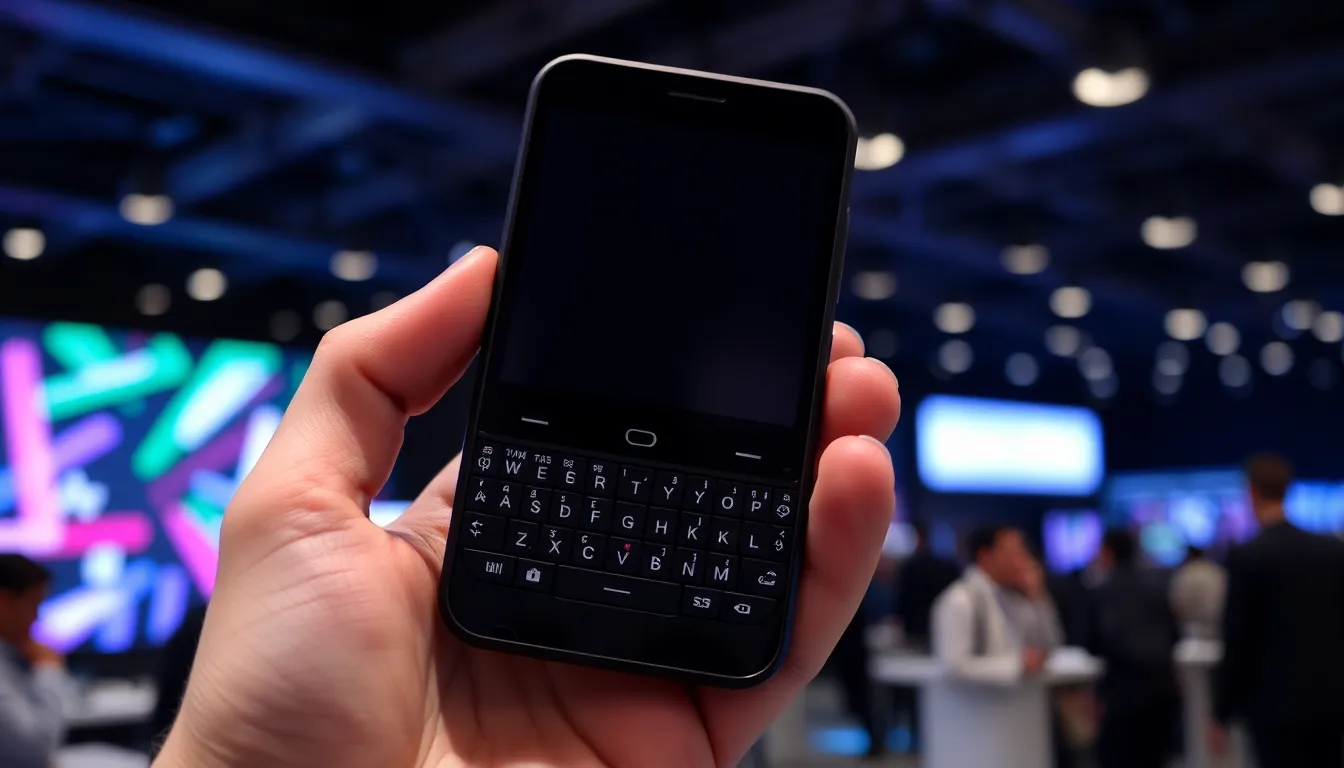
In a mobile market dominated by touchscreens, the announcement of the Unihertz Titan 2 Elite brings a nostalgic yet functional twist: a compact Android smartphone with a fully integrated physical QWERTY keypad. Unveiled at a recent industry event, this device aims to cater to users who miss the tactile feedback of classic BlackBerry phones, offering a modern alternative without the bulk of some previous models.
A Compact Design with Tactile Typing
The Titan 2 Elite distinguishes itself with its integrated keypad, a feature that has become increasingly rare in today's smartphone landscape. Early impressions suggest the device is notably more compact than its predecessor, the Titan 2, making it easier to handle and carry. This smaller form factor is seen as a key advantage, potentially appealing to users who want physical keys without sacrificing portability. The design appears to draw comparisons to other keyboard-focused accessories, indicating a targeted niche for productivity and communication enthusiasts.
Modern Specifications in a Retro Package
Beyond its keypad, the Titan 2 Elite is reported to pack contemporary hardware. It features a 4.03-inch OLED display, which should provide vibrant visuals in a compact frame. Under the hood, the phone is said to be powered by a Dimensity 7400 chipset, promising capable performance for everyday tasks and moderate usage. Running on Android, it offers access to the full ecosystem of apps, blending retro input methods with modern software capabilities. The device is expected to launch via a crowdfunding campaign in the coming weeks, with working prototypes already showcased to the public.
Positioning in the Niche Keyboard Market
The smartphone market for devices with physical keypads is limited, but the Titan 2 Elite enters as a notable contender. Its compact size is highlighted as a competitive edge, potentially making it more appealing than bulkier alternatives. For users seeking an all-in-one solution rather than an attachable keyboard accessory, this phone presents a streamlined option. The focus on balancing traditional typing with contemporary specs suggests Unihertz is aiming to revive interest in this form factor, though its success will likely depend on execution and user adoption in a touchscreen-dominated era.
Conclusion
The Unihertz Titan 2 Elite represents a bold attempt to merge nostalgic design with modern technology. By offering a compact Android phone with an integrated physical keypad, it targets a specific audience of users who value tactile typing for productivity or personal preference. While the niche appeal may limit its mainstream reach, its upcoming launch could reignite discussions about alternative smartphone form factors. As the device moves toward release, it will be interesting to see if it can carve out a sustainable space in the competitive mobile market.