Ultra-Thin Android Phone Outperforms iPhone Air in Key Areas
The year 2025 marked a significant push toward ultra-thin smartphone designs, with major manufacturers like Samsung and Apple introducing devices that prioritized slim profiles. However, these early attempts often came with compromises, particularly in battery capacity and camera functionality. At MWC 2026, a new concept device emerged that not only embraces the thin form factor but also addresses these critical shortcomings.
A Concept That Challenges Expectations
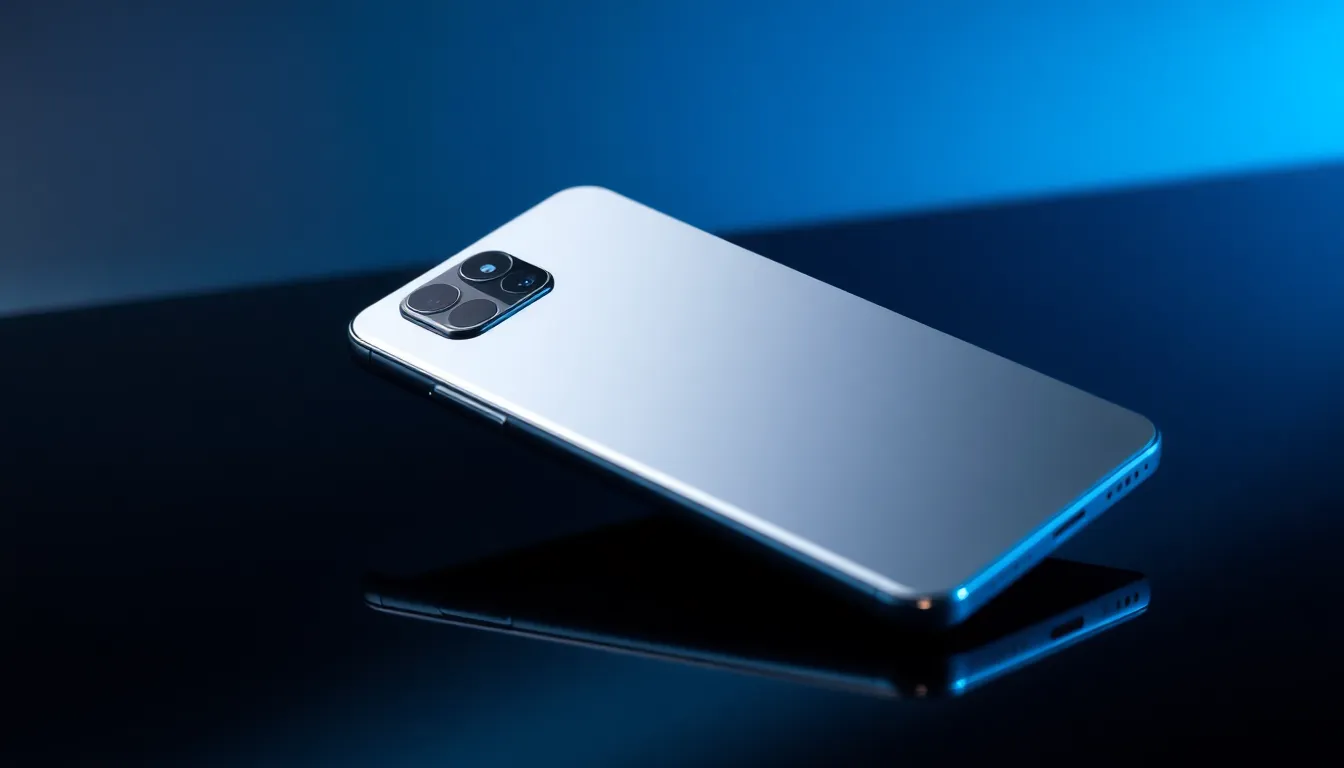
The device, developed by TECNO, is currently a concept without an official name. At first glance, its design bears a strong resemblance to Apple's iPhone Air, featuring a similar camera bar at the top and sensor placement. This visual similarity might initially suggest imitation, but a closer examination reveals significant technological advancements that set it apart.
Where previous ultra-thin phones sacrificed battery life to achieve their slender profiles, this Android device manages to incorporate a more substantial battery. This improvement addresses one of the most common criticisms of thin smartphones—limited endurance—making the form factor more viable for daily use without constant recharging.
Superior Camera Performance
The second major advantage lies in camera capabilities. While other thin devices often reduced or simplified their camera systems, this concept phone maintains robust photographic functionality. The camera bar houses advanced sensors that deliver performance comparable to, and in some aspects superior to, thicker flagship devices. This represents a meaningful step forward in thin phone technology, proving that slim designs don't necessarily require photographic compromises.
Practical Innovation Over Mere Imitation
Beyond addressing battery and camera limitations, the device demonstrates thoughtful engineering that gives purpose to its thin form factor. The design isn't thin for thin's sake; rather, it incorporates technological solutions that make the slim profile genuinely beneficial. This approach contrasts with earlier ultra-thin phones that primarily focused on aesthetic appeal while neglecting practical considerations.
The concept suggests that future thin smartphones could offer the best of both worlds: elegant, portable designs without the performance trade-offs that have characterized previous generations. As manufacturers continue to explore this design direction, this device sets a new benchmark for what's possible in ultra-thin form factors.
Conclusion
The TECNO concept phone represents a significant evolution in ultra-thin smartphone design. By overcoming the battery and camera limitations that plagued earlier thin devices like the iPhone Air, it demonstrates that slim profiles can coexist with practical functionality. While still in concept stage, this device points toward a future where thin smartphones don't require users to choose between form and function. As the industry continues to innovate, this approach may redefine expectations for what ultra-thin devices can deliver.