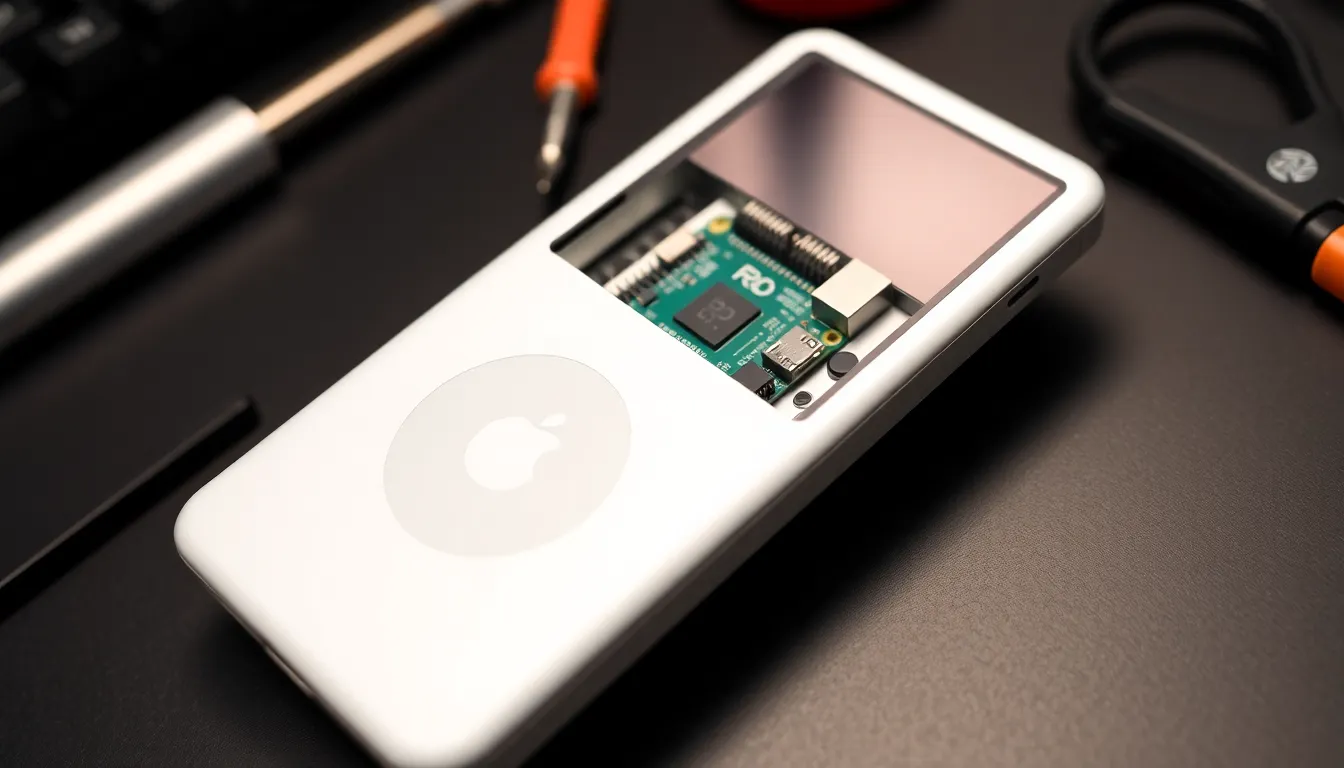
Third-Generation iPod Revived with Raspberry Pi Zero 2W in DIY Project
The enduring appeal of Apple's classic hardware is on full display in a recent do-it-yourself project that has given a third-generation iPod a second life. By replacing its aging internals with modern components, including a Raspberry Pi Zero 2W, the project demonstrates how retro tech can be adapted for contemporary use.
The PiPod 3G: A Modern Take on a Classic Design
Dubbed the PiPod 3G, the project involves installing a Raspberry Pi Zero 2W single-board computer inside the original iPod shell. A new screen has been fitted, and custom sensors have been implemented to detect interactions with the iconic clickwheel. This approach preserves the tactile feel of the original device's signature input method while enabling modern functionality.
The creator, an industrial designer, utilized Python programming to develop the software, acknowledging assistance from AI tools in the process. The result is a device that maintains the nostalgic aesthetic of the early-2000s iPod while significantly upgrading its capabilities.
Enhanced Features for Today's Listening Habits
Where the original iPod relied on syncing music from a computer, the PiPod 3G connects to modern streaming services. It can stream music directly from a Plex media server and supports downloading songs, albums, artists, and playlists for offline playback. This integration of cloud-based media access represents a substantial leap from the device's original purpose.
Currently, the PiPod 3G exists as a proof of concept. The developer has noted that the code requires refinement before public release, as it contains hardcoded elements that need generalization. However, there is expressed intent to continue development and potentially share the project more widely in the future.
A Testament to Retro Tech Enthusiasm
This project is part of a broader trend of enthusiasts repurposing vintage electronics with modern single-board computers. Similar efforts have seen Raspberry Pis installed in retro cameras and vintage radios, often to add network connectivity and media server capabilities. These modifications highlight a sustained interest in the form factors and design languages of older technology, even as their original functions become obsolete.
The third-generation iPod, released in 2003, is particularly noted for its distinctive design featuring four touch-sensitive buttons above the clickwheel. Its revival through this DIY endeavor underscores how certain Apple products have achieved a timeless aesthetic that continues to inspire hobbyists and tinkerers decades later.
Conclusion
The PiPod 3G project exemplifies the creative potential at the intersection of retro computing and modern DIY electronics. By combining the iconic design of Apple's third-generation iPod with the versatility of a Raspberry Pi, the creator has built a device that honors the past while embracing the present. It serves as a compelling example of how community-driven innovation can extend the lifespan of beloved technology, offering both a functional tool and a piece of digital nostalgia. As development continues, such projects may provide blueprints for others looking to preserve and modernize classic hardware.