The Smartphone Camera Feature That Should Be Left Behind in 2025
As smartphone photography continues its relentless march forward, manufacturers have packed devices with increasingly sophisticated camera capabilities. From computational photography to AI-enhanced processing, modern smartphones can achieve results that were once exclusive to professional equipment. Yet amid this technological progress, one particular feature has consistently failed to deliver on its promise, frustrating both casual photographers and imaging enthusiasts.
The Problem with Artificial Enhancement
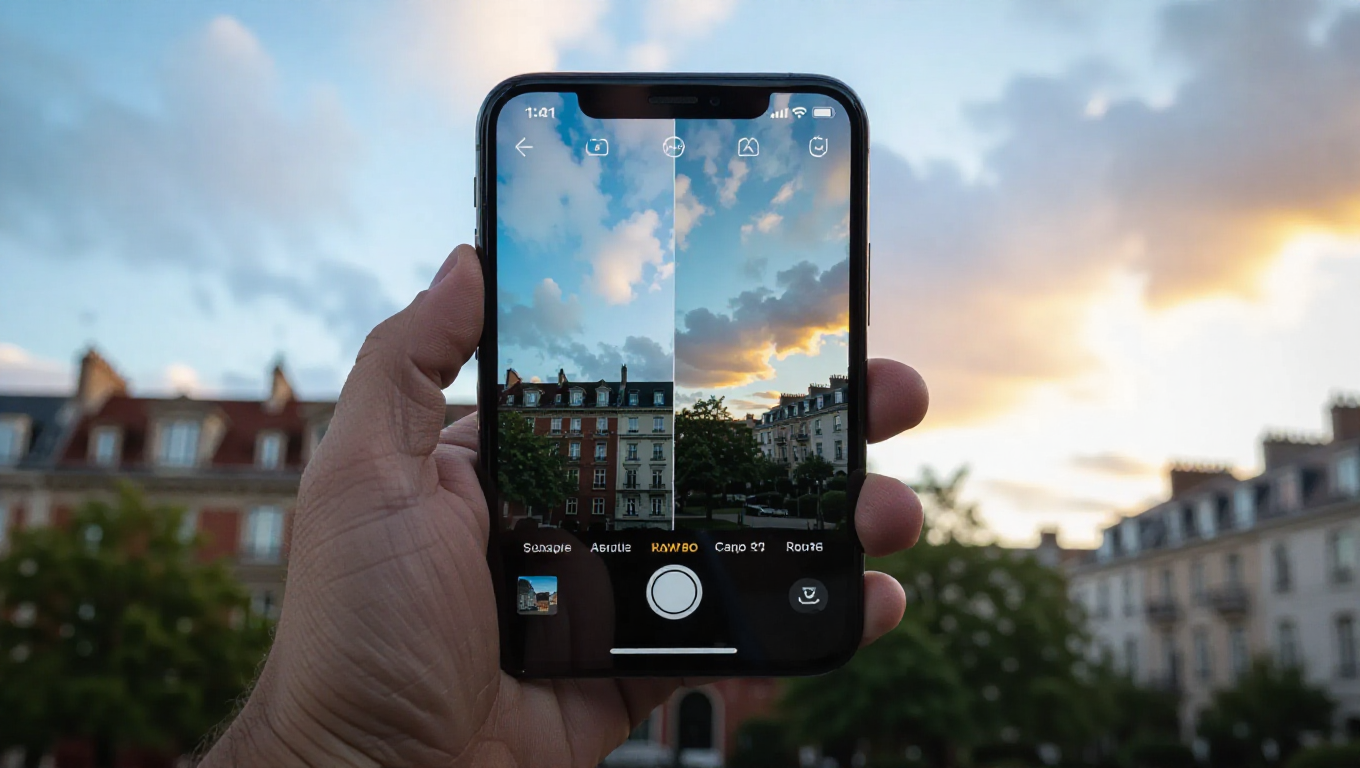
Smartphone cameras now offer an impressive array of creative tools, including telephoto-zoomed macro capabilities and in-camera subject insertion. However, the feature that most frequently disappoints involves artificial sky replacement. While the concept of transforming dull, overcast skies into vibrant sunsets or dramatic cloud formations sounds appealing, the execution consistently falls short.
The technology often produces jarring, unnatural results that are immediately recognizable as artificial. Halo effects around buildings and trees, mismatched lighting between foreground and replaced skies, and unconvincing color transitions undermine what should be seamless enhancements. Rather than improving photographs, these features frequently degrade image quality and authenticity.
User Experience Concerns
Beyond technical shortcomings, artificial sky replacement raises questions about photographic integrity. Many users report feeling that heavily manipulated images lose their connection to the original moment, creating a disconnect between the photograph and the memory it represents. The feature often applies changes automatically or with minimal user control, removing creative agency from the photographer.
Reports indicate that even when these features work as intended, they create unrealistic expectations about what smartphone cameras can achieve naturally. This can lead to disappointment when users attempt to capture similar scenes without artificial assistance, potentially discouraging genuine photographic exploration and skill development.
A Better Path Forward
Rather than pursuing increasingly elaborate artificial enhancements, manufacturers could focus computational resources on improving fundamental photography capabilities. Better low-light performance, more accurate color reproduction, and enhanced dynamic range would benefit every photograph, not just those deemed worthy of artificial sky replacement.
Alternative approaches might include more sophisticated editing tools that give users greater control over adjustments while maintaining photographic authenticity. Features that help users capture better images in challenging conditions, rather than replacing elements entirely, would likely prove more valuable to most photographers.
Conclusion
As smartphone photography evolves, it's crucial to distinguish between genuine innovation and technological gimmickry. Artificial sky replacement features, while conceptually interesting, have consistently failed to deliver satisfactory results. Their tendency to produce unnatural images, combined with concerns about photographic authenticity, suggests they should be left behind as the industry moves forward.
The future of smartphone photography lies not in replacing reality but in capturing it more beautifully and accurately. By focusing on fundamental improvements rather than flashy artificial enhancements, manufacturers can create camera systems that truly empower photographers while maintaining the integrity of the photographic medium.