The Silicon-Carbon Battery Debate: Why Samsung's Hesitation Sparks Conspiracy Theories
In the world of smartphone technology, few topics generate as much passionate debate as battery life. Recently, a vocal segment of users has turned its attention to silicon-carbon (SiC) batteries, questioning why major manufacturers like Samsung haven't adopted this technology when some Chinese OEMs already have. This skepticism has evolved into full-blown conspiracy theories, with proponents suggesting that companies are deliberately withholding superior battery technology from consumers.
The Promise and Problem of Silicon-Carbon Batteries
At its core, the appeal of silicon-carbon batteries is straightforward: they offer higher energy density than traditional lithium-ion batteries, potentially storing more power in the same physical space. This theoretical advantage has led some manufacturers to incorporate the technology, particularly in the Chinese market. However, the reality is more complex than simple energy density improvements.
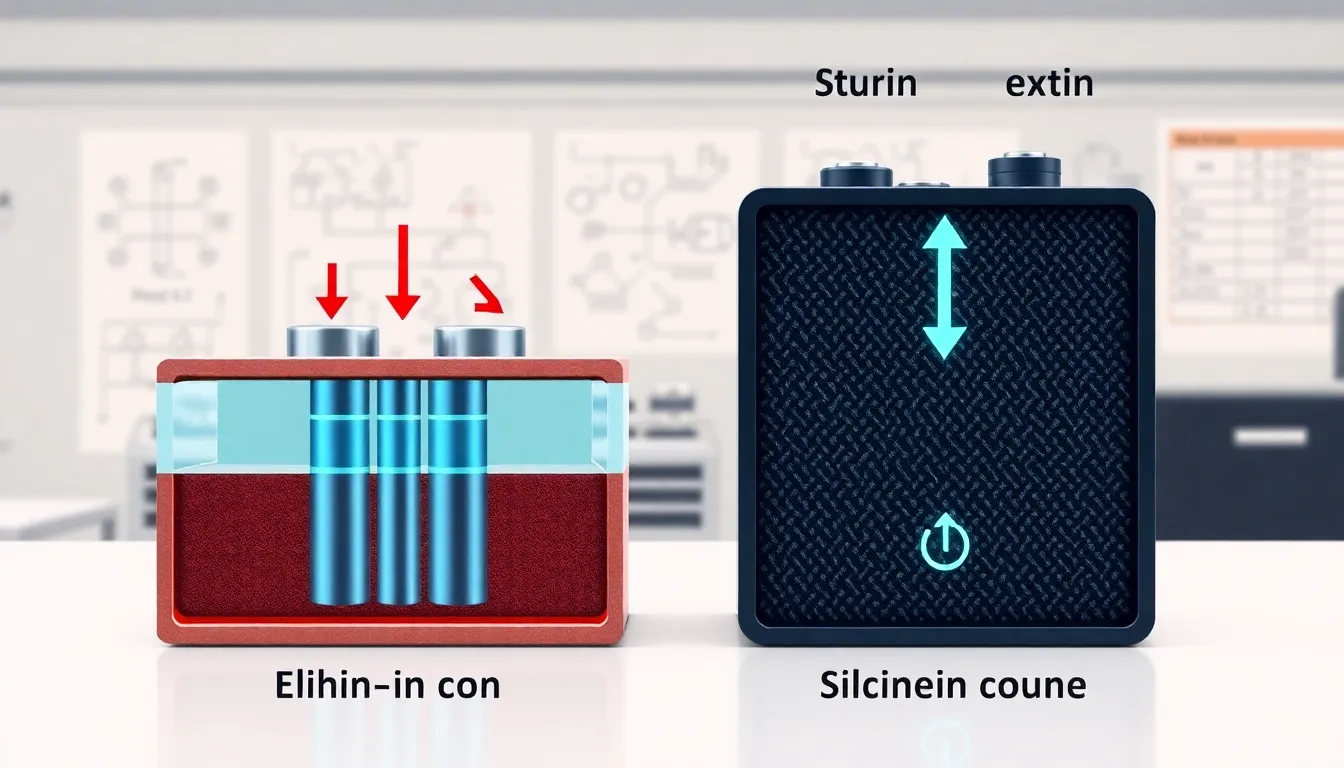
The fundamental challenge with silicon-carbon batteries lies in their chemistry. While they use silicon anodes instead of graphite anodes found in conventional lithium-ion batteries, silicon undergoes significant swelling and shrinking during charge cycles. This physical stress leads to faster degradation over time—a problem that researchers have been grappling with since the 1970s. Even today, this inherent limitation hasn't been completely resolved, presenting genuine engineering challenges rather than corporate conspiracies.
Safety Standards and Long-Term Vision
Manufacturers like Samsung point to safety concerns as a primary reason for their cautious approach. After the Galaxy Note 7 battery incidents, the company maintains particularly stringent safety standards. Reports indicate that Samsung believes silicon-carbon technology hasn't yet reached a level that meets these standards, especially considering the company now offers seven years of software support for many devices—a commitment that requires batteries to maintain performance over an extended period.
Additionally, regulatory considerations may play a role. Some regulations classify single-cell batteries above 5,000mAh as dangerous goods, complicating global shipping. While this doesn't directly explain the silicon-carbon hesitation, it illustrates the complex web of considerations manufacturers must navigate beyond simple technical specifications.
The Industry Divide and Consumer Expectations
The current market reveals a clear divide: some manufacturers are willing to accept the risks associated with silicon-carbon technology, while others prioritize proven safety and longevity. This split isn't unique to batteries—similar divisions exist across various technologies as they transition from experimental to mainstream.
Consumer frustration is understandable. Smartphone users increasingly depend on their devices and naturally desire longer battery life. However, the leap from this desire to conspiracy theories about withheld technology overlooks the genuine technical hurdles and safety considerations that guide corporate decisions. The reality appears less dramatic: manufacturers are balancing innovation with reliability, with different companies reaching different conclusions about where that balance should be struck.
Conclusion: Beyond Conspiracy Theories
The silicon-carbon battery debate highlights the tension between rapid technological advancement and responsible implementation. While conspiracy theories make for compelling narratives, the evidence suggests a more mundane reality: significant technical challenges remain unresolved, and major manufacturers are proceeding cautiously based on safety assessments and long-term reliability concerns.
As battery technology continues to evolve, the divide between early adopters and cautious implementers will likely persist. What's clear is that the conversation benefits more from technical understanding than speculative theories. The path to better battery technology involves overcoming genuine engineering obstacles—not uncovering corporate secrets.