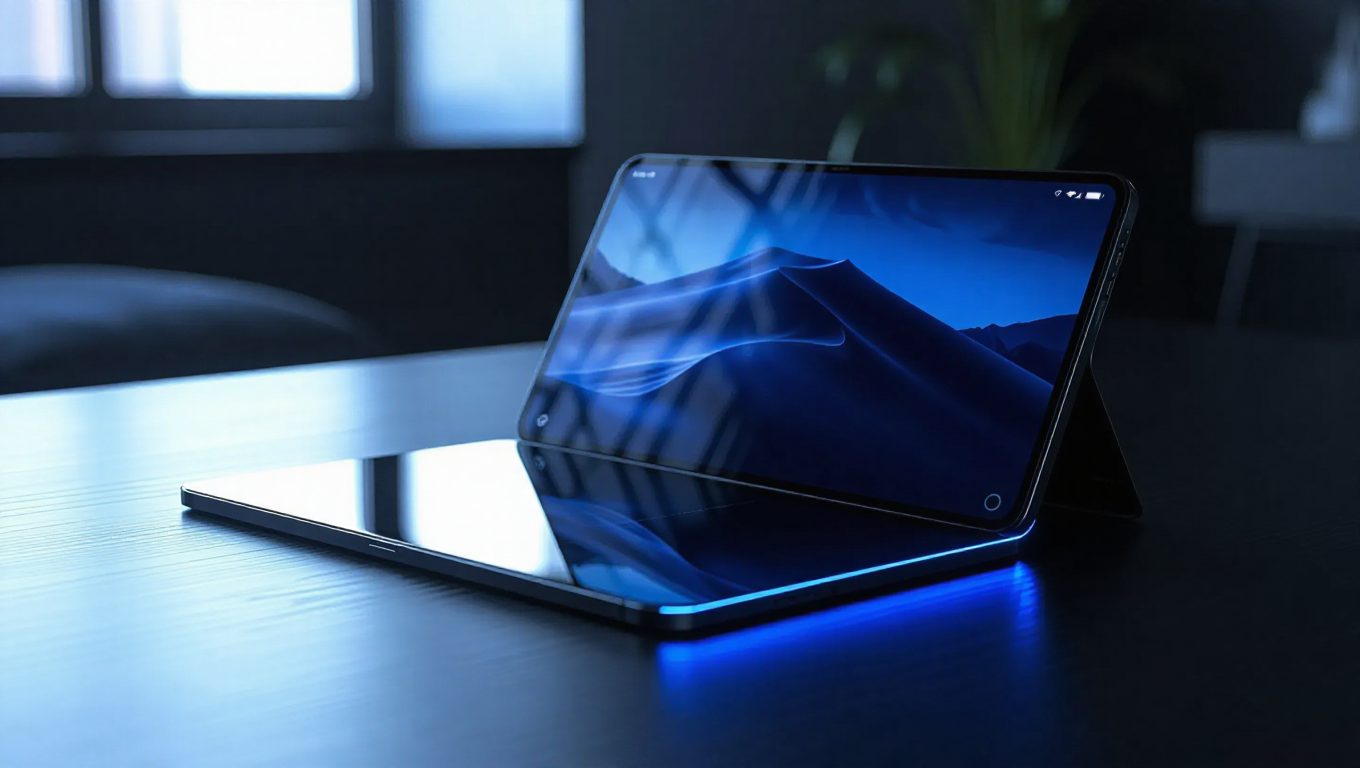
The Rise, Fall, and Resurgence of Wide Android Foldables
For years, the foldable smartphone market followed a predictable pattern: devices that resembled regular phones when closed and unfolded into square-ish displays. This portrait-first orientation became the industry standard, but it wasn't always this way. A brief era of innovation saw manufacturers experimenting with wider, landscape-first designs before seemingly abandoning them entirely. Now, whispers of a comeback suggest the wide foldable might have been ahead of its time rather than fundamentally flawed.
The Initial Promise and Swift Demise
The concept of a wide foldable phone offered a compelling vision: a device that could function as a compact phone but unfold into a tablet-like experience perfect for media consumption, multitasking, and productivity. Early adopters like the Microsoft Surface Duo (a dual-screen device) and Google's first Pixel Fold championed this shorter, wider form factor. Even OPPO experimented with landscape-first designs in its Find N series. These devices promised a more natural transition between phone and tablet modes, particularly for watching videos or using split-screen apps.
Why the Wide Design Disappeared
The retreat from wide foldables was surprisingly swift. Both Google and OPPO pivoted their subsequent models back to the mainstream portrait-first orientation. The primary culprit was software, not hardware. The Android ecosystem, built around apps designed for traditional smartphone aspect ratios, struggled to adapt to the unique dimensions of wide foldables. Many applications failed to scale properly or utilize the extra horizontal space effectively, leading to a subpar user experience with black bars, stretched interfaces, or awkward layouts. This lack of seamless software support made the hardware innovation feel half-baked, pushing manufacturers toward the safer, more app-compatible portrait fold.
The Path to Resurrection
The landscape is changing. Persistent rumors indicate that Samsung is developing a new "wide" version of its flagship Galaxy Z Fold, signaling a major shift. This potential revival is likely driven by several factors. Android itself has matured, with better native support for flexible displays and various form factors through updates to its foldable-friendly UI layers. App developers have also had more time to optimize for diverse screen shapes. Furthermore, consumer demand for more versatile devices that truly replace both a phone and a tablet may have created market pressure for a design that better serves both purposes. The wide foldable's initial failure may have simply been a matter of poor timing, launching before the software was ready to support its hardware ambition.
Conclusion: A Second Chance for Innovation
The story of wide Android foldables is a classic tech narrative of an idea born before its ecosystem could sustain it. Killed not by a lack of consumer interest or engineering prowess, but by fragmented software support, the design has been in hibernation. Its potential resurrection, led by industry giants, suggests the necessary software foundations are now in place. If these new wide foldables launch with robust app compatibility, they could finally deliver on the original promise: a single device that seamlessly shifts from a pocketable phone to a widescreen tablet, making the compromise of early models a forgotten stepping stone in the evolution of mobile technology.