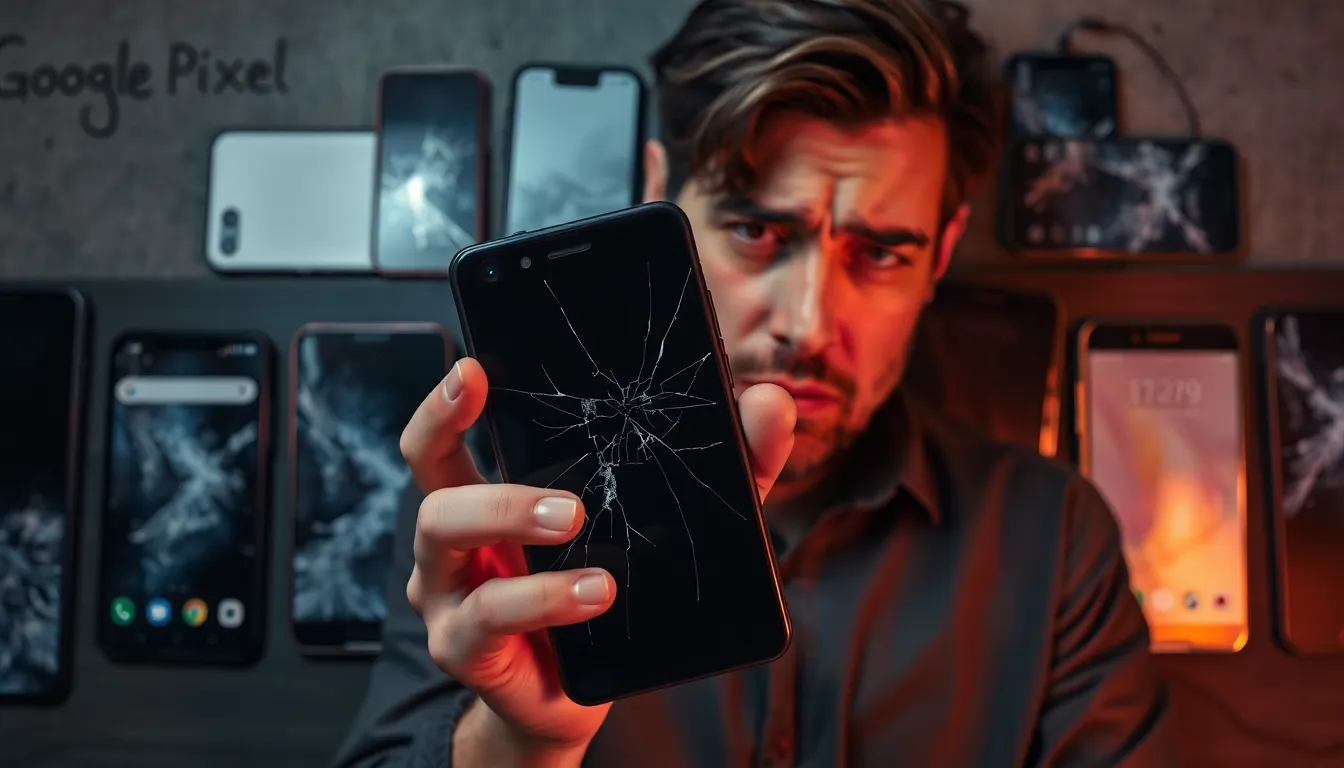
The Pixel Paradox: When Google's Vision Meets User Frustration
For many Android enthusiasts, Google's Pixel series represents the purest expression of the mobile operating system—a direct line to the company's vision for what smartphones should be. Yet for a subset of users, this relationship has become complicated by repeated disappointments that leave them questioning whether they're simply unlucky or if there's a deeper pattern at play.
The Allure of Google's Android Vision
The appeal of Pixel devices is undeniable for those who appreciate Google's approach to Android. From the early Nexus days to current models, there's a consistent promise of clean software, timely updates, and thoughtful integration of Google's services. Many users have invested in multiple generations of these devices, drawn by the potential of experiencing Android exactly as its creators intended.
When Reality Diverges from Promise
Despite this initial enthusiasm, some users report experiences that fall short of expectations. Hardware issues ranging from display problems to battery degradation have been noted across various Pixel generations. Software bugs, while often addressed in updates, can create frustrating daily experiences that undermine the premium feel these devices are meant to project.
The inconsistency is particularly puzzling—while some users report years of flawless performance, others encounter multiple problems across different devices. This variability contributes to the feeling of being 'cursed,' as if some users are simply destined to receive problematic units regardless of when or where they purchase their devices.
The Psychological Toll of Repeated Disappointment
What makes this situation particularly challenging is the emotional investment many users have in Google's ecosystem. When someone who appreciates Google's vision for Android repeatedly encounters issues with the company's flagship hardware, it creates a cognitive dissonance that's difficult to resolve. The desire to support what should be the definitive Android experience conflicts with practical concerns about reliability and value.
This dynamic goes beyond simple product dissatisfaction. For users who have followed Google's mobile journey from Nexus to Pixel, each new disappointment feels like a personal betrayal of the trust they've placed in the company's vision. The result is a complicated relationship where enthusiasm and frustration exist in equal measure.
Looking Beyond Individual Experience
While individual anecdotes of problematic devices exist, it's important to consider the broader context. Manufacturing variations affect all electronics companies, and software bugs are an industry-wide challenge. What makes the Pixel experience unique is the heightened expectations that come with Google's direct involvement in both hardware and software.
The perception of being 'cursed' may stem from this expectation gap—when a device is positioned as the definitive Android experience, any shortcomings feel more significant than they might with other manufacturers. This creates a psychological burden where users question whether issues are systemic or simply bad luck.
Conclusion: Navigating the Android Landscape
The Pixel experience represents a microcosm of modern technology relationships—where brand loyalty, personal expectations, and practical realities intersect. For users who feel 'cursed' by their Pixel experiences, the solution may involve recalibrating expectations or exploring other Android options that better align with their needs.
Ultimately, the Pixel series continues to evolve, and Google's commitment to refining both hardware and software suggests that future iterations may address many current concerns. For now, the tension between wanting to embrace Google's Android vision and experiencing consistent hardware satisfaction remains a real challenge for some users—a reminder that in technology, as in life, the relationship between promise and reality is often complex.