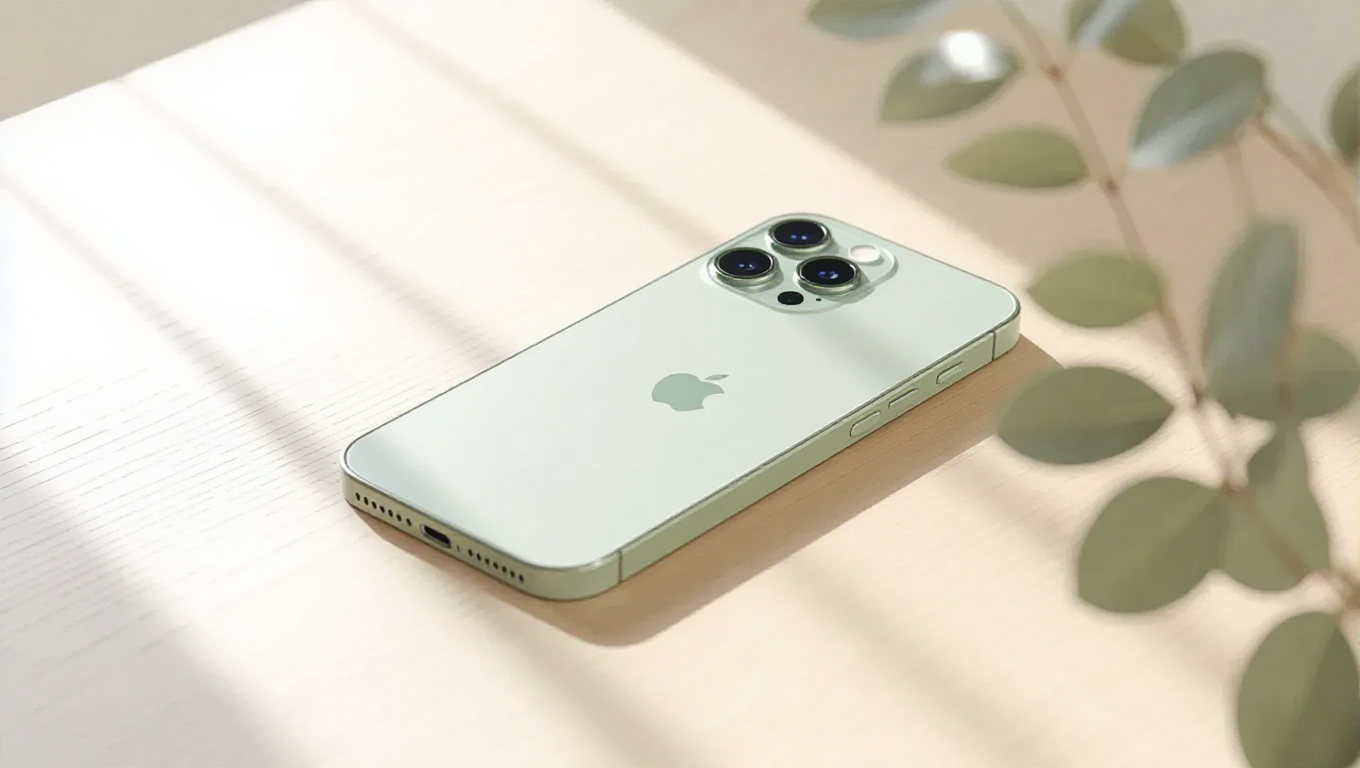
The Pixel 10a Arrives: A Familiar Mid-Range Contender
Google has unveiled the Pixel 10a, its latest budget-friendly smartphone aiming to deliver flagship-like features at a mid-range price. Positioned as an update to the popular Pixel 9a, the new model brings several refinements but largely sticks to a familiar formula, raising questions about its appeal to existing users.
What's New and What's Not
The Pixel 10a features a design tweak that many will appreciate: a rear camera module that sits flush with the back panel, allowing the phone to lie flat on surfaces without wobbling. This is a departure from the protruding camera bumps common in recent smartphones. The device also introduces new color options—Fog green, Berry red, and a more saturated Lavender purple—alongside the classic Obsidian black, with matching Pixel Buds 2a earbuds available in coordinating shades.
Under the hood, however, the story is one of continuity. The Pixel 10a is powered by the same Tensor G4 chipset found in the Pixel 9a and the broader Pixel 9 series, not the newer Tensor G5 used in the Pixel 10 flagships. This means raw performance is expected to be nearly identical to last year's model. The display remains a 6.3-inch 120Hz OLED panel, though it now reaches a slightly higher peak brightness, and the camera system is unchanged: a 48MP main sensor paired with a 13MP ultra-wide lens.
Key Upgrades and Drawbacks
Several meaningful improvements distinguish the Pixel 10a from its predecessor. Charging speeds see a boost, with wired charging now supporting up to 45W—faster than even the standard Pixel 10—and wireless charging increased to 10W. Connectivity gets a significant upgrade via the new Exynos Modem 5400, which enables satellite SOS functionality, a first for the A-series. The phone also supports Quick Share-AirDrop compatibility out of the box for easier file transfers with Apple devices.
On the software side, the Pixel 10a inherits AI-driven features from the Pixel 10 line, such as Camera Coach, which offers photography tips using Gemini, and Auto Best Take for optimizing group shots. It launches with Android 16 and promises seven years of OS and security updates. However, it lacks support for Pixel Snap, Google's magnetic accessory ecosystem, and includes a mandatory Battery Health Assistance feature that gradually throttles charging speed and battery capacity over time to prolong lifespan, which cannot be disabled.
Is It Worth the Upgrade?
For current Pixel 9a owners, the Pixel 10a presents a challenging upgrade decision. The core experience—performance, camera hardware, and design language—remains largely unchanged. The improvements, while welcome, are incremental: faster charging, satellite connectivity, and a flush camera design may not justify the cost of upgrading for most users. At its $500 starting price, the Pixel 10a is positioned as a solid mid-range option, especially against competitors like the Samsung Galaxy S25 FE, offering a compact form factor, clean software, and long-term support. But for those seeking a dramatic leap from the Pixel 9a, this iteration may feel too safe.
Conclusion
The Pixel 10a refines Google's mid-range formula with thoughtful tweaks rather than revolutionary changes. It addresses specific pain points like charging speed and adds modern features like satellite connectivity, all while maintaining the software excellence and camera intelligence that define the Pixel brand. However, its reliance on last year's processor and similar core specs make it a tough sell for Pixel 9a users. For newcomers to the Pixel ecosystem or those upgrading from older devices, it remains a compelling choice, but for the loyalist, it might be a year to wait.