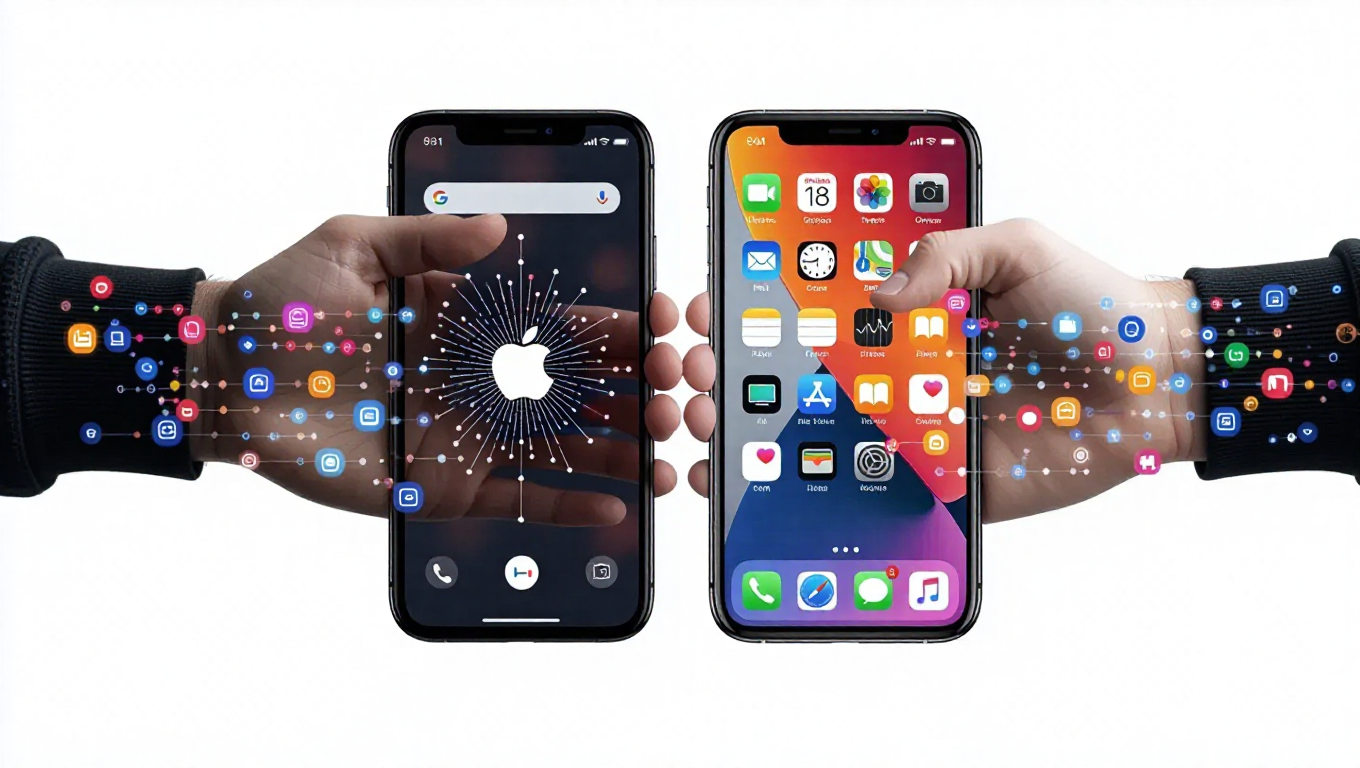
The One iOS Feature Android Desperately Needs to Adopt
Android has reached a remarkable level of maturity, offering powerful customization, diverse hardware choices, and feature-rich experiences that satisfy millions of users worldwide. Yet, despite these advancements, there remains one glaring gap in the Android ecosystem—a gap that becomes painfully apparent every time a user upgrades to a new device. While Android manufacturers have made strides in many areas, the process of migrating from an old phone to a new one remains unnecessarily cumbersome, especially when compared to the seamless experience offered by Apple's iOS.
The Migration Frustration: Android's Achilles' Heel
For Android enthusiasts who occasionally experience the Apple ecosystem, the contrast in migration experiences is stark. iOS users enjoy a remarkably straightforward transfer process where setting up a new iPhone feels almost magical—data, settings, and even app layouts move over with minimal effort. The system guides users through a simple, intuitive process that works consistently across iPhone generations.
Android, by comparison, often requires multiple steps, manual interventions, and reliance on various backup solutions that don't always work perfectly together. While Google has improved its backup systems over the years, the experience still lacks the polish and reliability that iOS delivers. Users frequently report issues with app data not transferring correctly, settings getting lost, or the process requiring more technical knowledge than it should.
Why This Matters Beyond Convenience
The importance of a seamless migration experience extends beyond mere convenience. For many users, switching to a new phone represents a significant investment of both money and time. A complicated migration process can create anxiety about losing important data, photos, messages, or custom configurations. This friction point might even discourage some users from upgrading to newer Android devices, potentially impacting both user satisfaction and manufacturer sales.
Furthermore, in an era where technology should simplify our lives, requiring users to navigate complex backup procedures feels increasingly outdated. The expectation for seamless device transitions has been set by Apple, and Android's current approach falls short of meeting that standard.
The Path Forward for Android
The solution isn't about copying iOS feature for feature, but rather adopting the underlying philosophy that makes Apple's migration so successful: simplicity, reliability, and user-centric design. Android manufacturers, particularly Google with its Pixel line, have the technical capability to create a similarly seamless experience. What's needed is a concerted effort to streamline the process, reduce the number of steps required, and ensure consistent performance across different Android devices and manufacturers.
Some reports suggest that Google is aware of this issue and may be working on improvements. However, the pace of change has been slower than many users would prefer. As we move further into the decade, the expectation for effortless device transitions will only grow stronger.
Conclusion: Time for Android to Close the Gap
Android continues to lead in innovation, customization, and hardware diversity, but its migration experience represents a significant weak point in an otherwise strong ecosystem. The iOS approach to phone transfers demonstrates that this problem has already been solved elegantly elsewhere. By focusing on creating a truly seamless migration process—one that works reliably across the fragmented Android landscape—Google and its partners could eliminate one of the last major pain points for Android users.
This isn't about making Android more like iOS, but about recognizing where a competitor has developed a superior solution to a universal problem. As technology becomes increasingly integrated into our daily lives, the transitions between devices should become invisible. For Android to reach its full potential, it needs to master this fundamental aspect of the user experience.