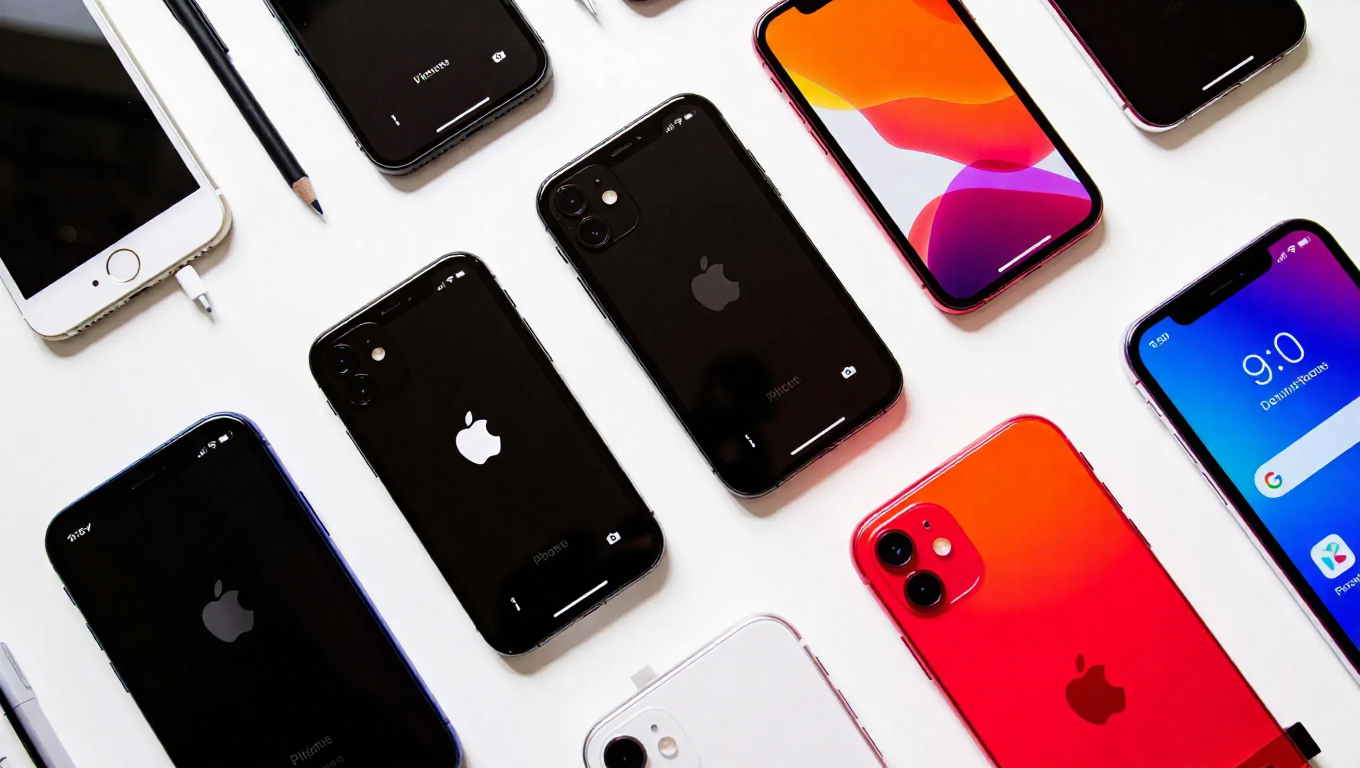
The iPhone 16e and Apple's Persistent Budget Phone Challenge
Apple's latest attempt to capture the affordable smartphone market with the iPhone 16e has reignited discussions about whether the tech giant can ever truly compete with Android in the budget segment. Despite years of trying, Apple continues to face significant challenges in creating a compelling budget iPhone that matches what Android manufacturers offer at similar price points.
Why Budget iPhones Struggle Against Android
The fundamental issue appears to be Apple's approach to budget devices. Rather than creating phones designed specifically for the affordable market, Apple tends to offer older technology or stripped-down versions of premium models. This results in devices that feel like compromises rather than thoughtfully designed budget options.
Android manufacturers, in contrast, have developed entire ecosystems around affordable smartphones. Companies create devices specifically for budget-conscious consumers, offering modern features, competitive specifications, and thoughtful design at accessible price points. This targeted approach has allowed Android to dominate the affordable segment for years.
The iPhone 16e's Specific Shortcomings
Early assessments of the iPhone 16e suggest it continues this problematic pattern. The device reportedly offers limited features compared to similarly priced Android alternatives, with compromises in areas like camera capabilities, display quality, and overall performance. While it carries the Apple brand and ecosystem advantages, these may not be enough to justify its price when compared to more fully-featured Android competitors.
The challenge for Apple is that budget-conscious consumers increasingly expect more for their money. In today's market, affordable doesn't necessarily mean basic—consumers want modern features, good performance, and decent cameras even at lower price points. Android manufacturers have become adept at delivering this combination, while Apple's budget offerings often feel like they're holding back features to protect premium models.
The Future of Apple's Budget Strategy
Looking forward, the question remains whether Apple will fundamentally rethink its approach to affordable smartphones. The company's current strategy of offering older or limited versions of premium phones may continue to struggle against Android's purpose-built budget devices. Some industry observers suggest Apple might need to create a truly new budget-focused product line rather than adapting existing premium models.
However, Apple's ecosystem advantages—including seamless integration with other Apple products and services—remain a significant draw for some consumers. The challenge is whether these advantages are compelling enough to overcome the feature and value gaps compared to Android alternatives.
Conclusion
The iPhone 16e appears to continue Apple's pattern of struggling in the budget smartphone market. While the Apple brand and ecosystem offer certain advantages, the company's approach to affordable devices consistently falls short of what Android manufacturers deliver at similar price points. Until Apple fundamentally rethinks how it approaches the budget segment—perhaps by creating devices specifically designed for affordability rather than adapting premium models—Android seems likely to maintain its dominance in this crucial market segment. The iPhone 16e serves as a reminder that brand power alone isn't enough to win over budget-conscious consumers who increasingly expect more features and better value for their money.