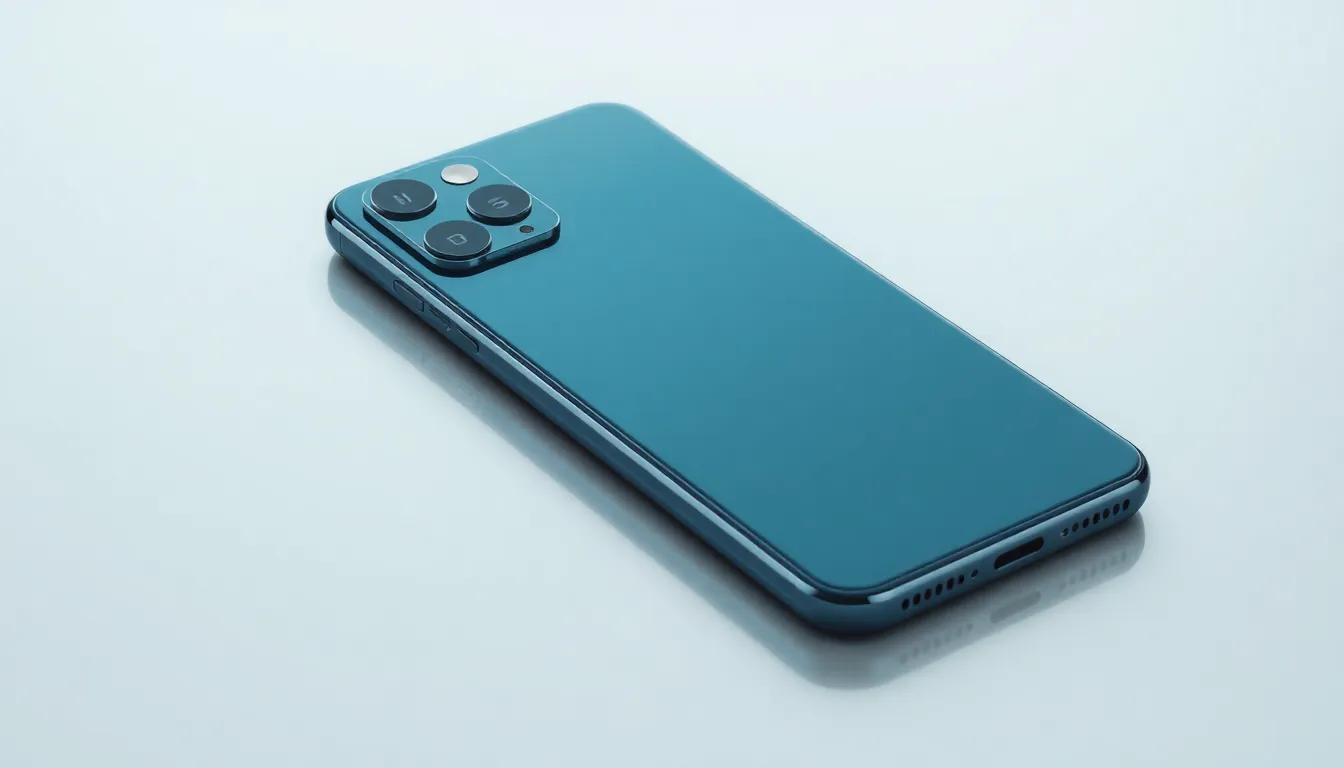
The Galaxy S26 Highlights Samsung's Mistake in Canceling the S26 Pro
The Galaxy S26 arrives as Samsung's latest compact flagship, building on the popular small-form-factor design of its predecessor. While it retains the lightweight, pocket-friendly appeal that many users cherish and even introduces a larger battery, the device ultimately feels like a compromise. Its existence underscores a significant strategic misstep: the cancellation of what could have been the Galaxy S26 Pro, a model rumored to bridge the gap between premium features and manageable size.
A Familiar Formula with Incremental Gains
The Galaxy S26 is undeniably a refinement of a successful formula. Its compact dimensions and minimal weight offer a refreshing alternative in a market dominated by increasingly large smartphones. The inclusion of a larger battery addresses a common concern with smaller devices, promising better endurance. On the surface, it's an logical evolution. However, this iterative approach reveals its limitations. The device prioritizes form over cutting-edge function, leaving enthusiasts who desire top-tier specifications in a smaller body without a clear option. This creates a noticeable gap in Samsung's portfolio, one that a Pro variant was perfectly positioned to fill.
The Phantom S26 Pro: A Missed Opportunity
The shadow of the unreleased S26 Pro looms large over the standard model. Industry reports and supply chain rumors had long suggested Samsung was developing a more powerful counterpart. This device was anticipated to marry the beloved compact chassis with the advanced camera systems, faster charging, and enhanced display technology typically reserved for larger Ultra models. The cancellation of this project means the S26 stands alone, representing not the pinnacle of compact Android engineering, but rather its ceiling. Consumers are presented with a binary choice: accept the trade-offs of the standard S26 or upgrade to a significantly larger and more expensive Ultra model, forsaking the one-handed usability many prefer.
Market Implications and Consumer Choice
Samsung's decision leaves a lucrative segment underserved. There is a demonstrated appetite for high-performance devices that don't require two hands to operate. By not offering a Pro variant, Samsung cedes this territory to competitors and fails to fully capitalize on the goodwill generated by its compact flagship line. The Galaxy S26, while competent, functions as a stark reminder of what could have been—a true no-compromise compact phone. It fulfills a basic need but does not excite or push boundaries, which is the traditional role of a 'Pro' device. In focusing solely on the base model, the lineup feels incomplete, and the S26's value proposition is diminished by the absence of a more ambitious sibling.
Conclusion: A Lesson in Portfolio Strategy
The Galaxy S26 is a good phone made disappointing by context. Its improvements are welcome, yet it ultimately serves to highlight the void left by the S26 Pro's cancellation. For a company known for its extensive model ranges, the absence of a premium compact option in this generation is a puzzling strategic omission. The S26 proves that the demand for smaller phones is strong, but it also proves that demand is not monolithic; a portion of that market wants and is willing to pay for the best possible technology in that size. Samsung's failure to address that segment with a Pro model is the defining story of the Galaxy S26 launch, turning a solid product into a symbol of missed potential.