The Foldable Fatigue: Why Some Families Are Returning to Traditional Smartphones
When foldable smartphones first emerged, they promised a revolution in mobile technology—combining the portability of a phone with the screen real estate of a tablet. For many early adopters, including one family that embraced the technology nearly four years ago, the initial excitement was palpable. The compact form factor, particularly of flip-style devices, seemed to solve common smartphone frustrations. However, what began as enthusiastic adoption has, for some users, transformed into disillusionment and a return to more conventional devices.
The Durability Dilemma
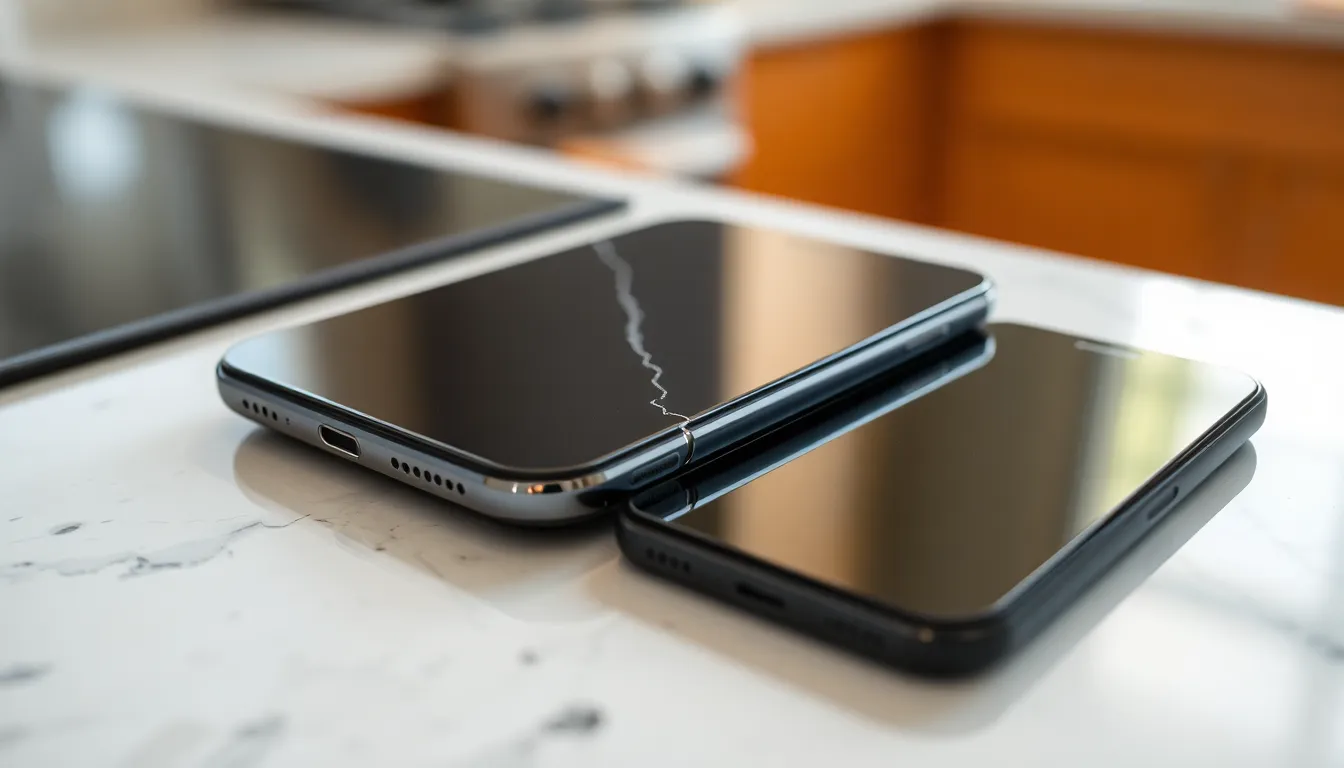
The most persistent issue plaguing foldable phones appears to be durability. Despite manufacturers' claims of improved hinge mechanisms and screen protection, real-world usage reveals vulnerabilities that traditional smartphones don't share. Reports indicate that the folding mechanism itself can become a point of failure over time, with screens developing creases, dead pixels, or complete failures along the fold line. Even with careful handling, the constant opening and closing creates stress points that eventually manifest as visible wear or functional breakdowns.
One family's experience illustrates this pattern clearly. After initially embracing a flip-style foldable for its compact design and aesthetic appeal, they progressed through multiple generations of the same device type. Each iteration promised improvements, yet the fundamental vulnerability remained. The final straw came when a relatively new device developed screen issues despite normal use, leading to frustration with the repair process and reliability concerns that overshadowed the form factor's benefits.
Practical Frustrations in Daily Use
Beyond durability concerns, practical aspects of foldable phone usage have proven frustrating for some users. The added thickness when folded, while creating a more pocketable device, can make the phone feel bulky compared to slim traditional smartphones. The external screens on flip-style devices, while useful for notifications, often provide limited functionality compared to full smartphone displays, requiring frequent unfolding for complete tasks.
Additionally, the premium price point of foldable devices creates heightened expectations for longevity and performance. When combined with durability concerns, this premium positioning can lead to disappointment when devices don't withstand the test of time as well as their traditional counterparts. The psychological impact of constantly worrying about screen damage creates usage anxiety that many users find unnecessary in their daily technology interactions.
The Return to Convention
For the family that initially embraced foldables, the decision to return to traditional smartphones came after nearly four years of experimentation. The switch to a conventional flagship device represented not just a change in hardware, but a shift in priorities—from innovative form factor to proven reliability. This pattern suggests that while foldable technology continues to evolve, it hasn't yet reached the point where it can consistently meet the durability expectations of mainstream users over multi-year ownership periods.
The experience highlights an important consideration for the foldable market: innovation must be balanced with practical reliability. As manufacturers continue to refine hinge designs, screen materials, and protective coatings, user experiences like these serve as valuable feedback about where the technology still falls short. The family's journey from early adopter to returning to conventional devices illustrates that for some users, the novelty of folding screens isn't worth the trade-offs in durability and peace of mind.
Conclusion: A Market at a Crossroads
The foldable smartphone market stands at an interesting crossroads. While technological advancements continue and adoption grows, experiences like those described here reveal persistent challenges that may limit mainstream acceptance. Durability concerns, practical frustrations, and premium pricing create barriers that even enthusiastic early adopters eventually find insurmountable.
This doesn't signal the end of foldable technology, but rather highlights areas needing attention as the category matures. Manufacturers must address reliability concerns while maintaining the innovative aspects that make foldables appealing. For now, some users are voting with their wallets—returning to traditional smartphones that offer proven reliability, even if they lack the novelty of folding screens. The true test for foldables will be whether future iterations can retain early adopters through entire device lifecycles, not just initial excitement periods.