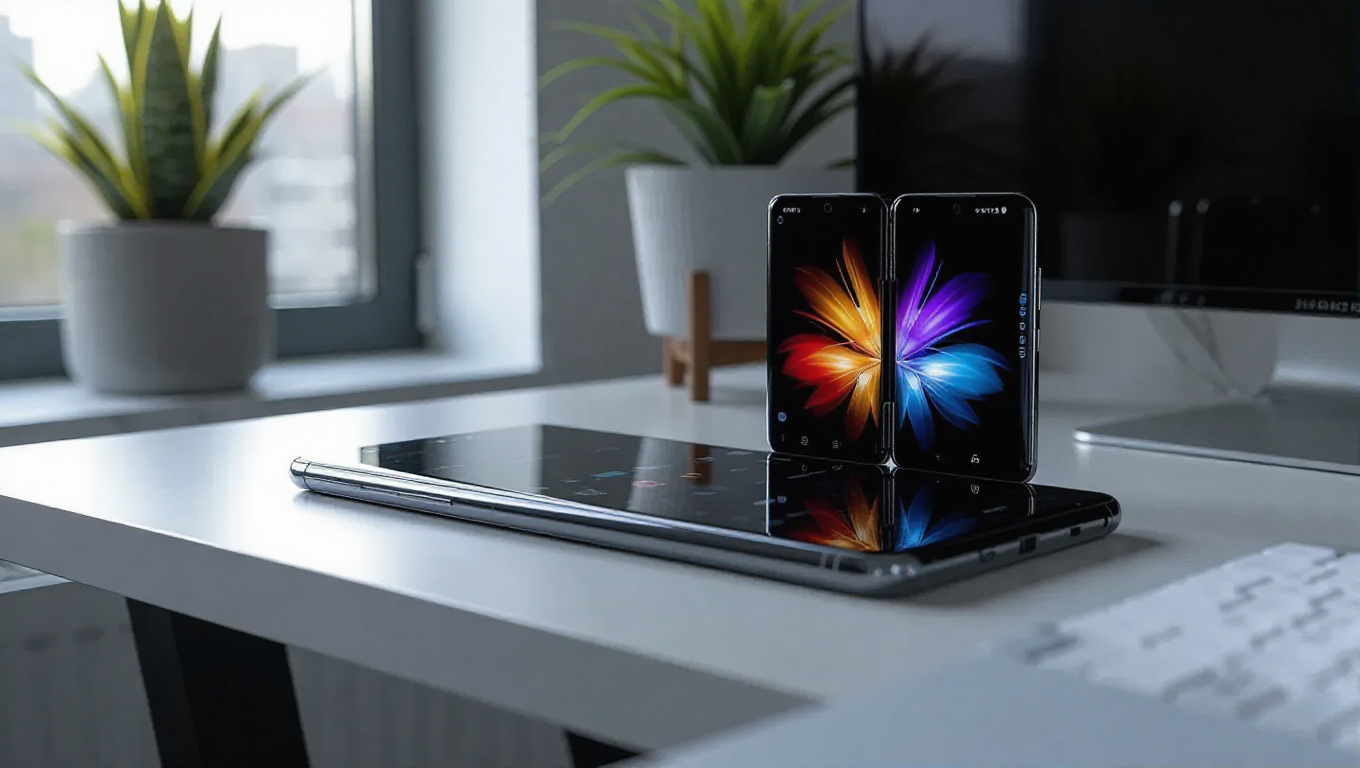
The Enduring Appeal of Samsung's Bar Phones Over Foldables
Samsung's foldable smartphones represent the cutting edge of mobile technology, becoming thinner, lighter, and more refined with each iteration. The Galaxy Z Fold series, in particular, offers a futuristic experience that captivates the imagination. However, for many users and reviewers, the practical advantages of Samsung's traditional bar-style phones, especially the Galaxy S Ultra lineup, continue to outweigh the novelty of foldables. The decision often boils down to two critical factors: camera performance and battery endurance.
Camera Compromises in Foldables
A significant drawback of Samsung's foldable phones is their camera systems, which consistently fall short of the capabilities found in the Galaxy S Ultra flagships. The most notable deficiency is the lack of a powerful zoom camera. For users who prioritize long-range photography, the Ultra models remain the only Samsung devices that deliver a truly comprehensive telephoto experience. This limitation feels particularly pronounced given the premium price tag of foldables, where such compromises are less acceptable.
This situation is unique to Samsung's approach. While competitors like Apple and Google offer identical camera hardware across their Pro and foldable models, Samsung reserves its most advanced zoom technology exclusively for the Ultra series. This creates a clear hierarchy where foldable users miss out on a key photographic feature, making the bar phones a more compelling choice for photography enthusiasts.
Battery Life Limitations
Battery performance is another area where bar phones maintain a distinct advantage. The Galaxy Z Fold series has seen minimal improvements in battery capacity over the years, with models often featuring around a 4,400 mAh battery. This stagnation has allowed even Samsung's clamshell Galaxy Z Flip lineup to approach similar battery sizes, blurring the lines between form factors without addressing core endurance issues.
Recent developments, such as the introduction of a larger 5,600 mAh battery in a new tri-fold model, have not fundamentally changed the narrative. Reports indicate that despite the increased capacity, actual usage ratings for video playback remain modest, sometimes even lower than those of previous foldable iterations. This suggests that efficiency and thermal management, possibly impacted by the pursuit of extreme thinness, continue to hinder meaningful battery life improvements in foldables.
The Practical Choice for Everyday Use
The core promise of foldables is to consolidate devices and enhance productivity without compromise. However, the current generation of Samsung foldables asks users to accept significant trade-offs in camera versatility and all-day battery reliability. Until these devices can match the photographic prowess, especially in zoom capabilities, and deliver battery life that meets or exceeds that of flagship bar phones, they remain a niche product for early adopters.
For the majority of users whose priorities include reliable photography and uninterrupted usage, Samsung's bar phones, particularly the Galaxy S Ultra series, offer a more balanced and dependable experience. They may lack the futuristic appeal of a folding screen, but they excel where it matters most for daily tasks, making them the preferred choice for practicality over novelty.