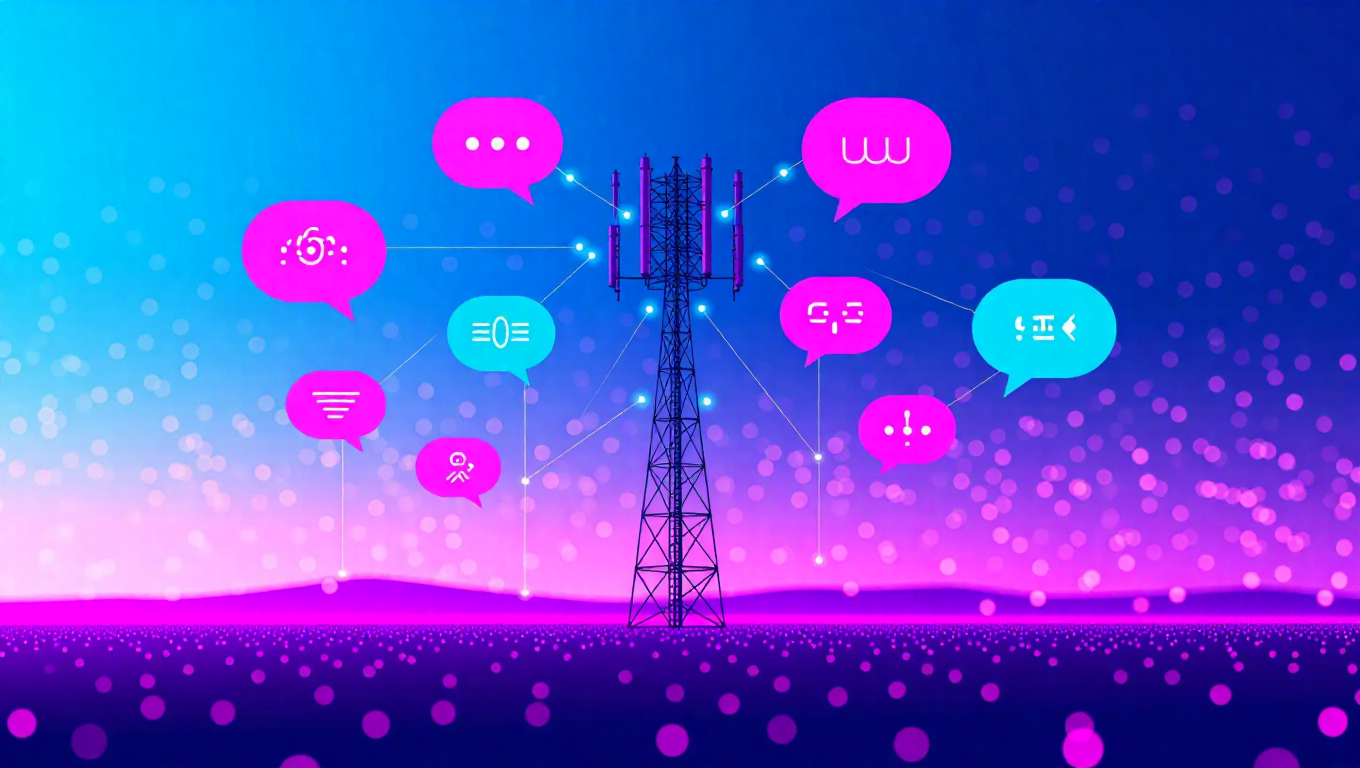
T-Mobile Integrates Live Call Translation Directly Into Cellular Network
In a significant move toward more accessible communication technology, T-Mobile has announced the development of a network-based live translation feature that could fundamentally change how people communicate across language barriers. This innovation represents one of the first real-time AI platforms integrated directly into a cellular network infrastructure.
Network-Integrated Translation Technology
The service, called Live Translation, can translate phone calls in more than 50 languages in near real time. What makes this feature particularly noteworthy is its network-based implementation. Unlike existing translation solutions that require specific hardware, dedicated apps, or compatible devices, T-Mobile's approach builds the functionality directly into the network infrastructure.
This means the feature works on any phone connected to T-Mobile's network, including basic flip phones and older devices that might not support sophisticated translation apps. The only requirement is that at least one person on the call must be a T-Mobile customer enrolled in the beta program. During the beta phase, users activate the feature mid-call by dialing a specific code, eliminating the need for pre-call setup or configuration.
Removing Technological Barriers
The network-based approach addresses several limitations of current translation technologies. Most existing live translation tools depend on having the right hardware, such as specific smartphone models, earbuds, or smart glasses. Others require users to download and configure dedicated applications. T-Mobile's implementation bypasses these requirements by handling the translation at the network level.
This development reflects a broader trend in the telecommunications industry toward more integrated AI services. As artificial intelligence capabilities become more sophisticated, carriers are exploring ways to incorporate these technologies directly into network infrastructure rather than relying on end-user devices to provide advanced features.
Practical Implications and Accessibility
The practical implications of network-based translation are substantial. For international business communications, family members separated by language barriers, or travelers needing assistance in foreign countries, this technology could provide immediate translation without requiring both parties to have compatible technology. The feature's compatibility with basic phones makes it particularly valuable for users who may not have access to or familiarity with smartphones.
While the service is currently in beta testing, its network-based nature suggests it could scale efficiently across T-Mobile's customer base. The carrier's approach represents a shift toward making advanced AI features available as network services rather than device-dependent applications.
Conclusion
T-Mobile's Live Translation feature represents a significant step forward in making real-time translation technology more accessible and integrated into everyday communication. By building this capability directly into the network rather than requiring specific hardware or applications, the carrier is removing barriers that have traditionally limited who can benefit from live translation technology.
As the beta program progresses and the technology matures, network-based translation could become a standard feature in telecommunications, potentially changing how people communicate across language barriers in both personal and professional contexts. This development highlights how AI integration at the network level can democratize access to advanced technologies that were previously limited to users with specific devices or technical knowledge.