Switching from Oppo to Samsung? Understanding the Design Language Differences
For Oppo users considering a switch to Samsung smartphones, understanding the Korean manufacturer's design philosophy could prevent unexpected surprises. While both brands incorporate visual elements into their device aesthetics, the meaning behind these design choices varies significantly between the two companies.
The Graphic Design Divide
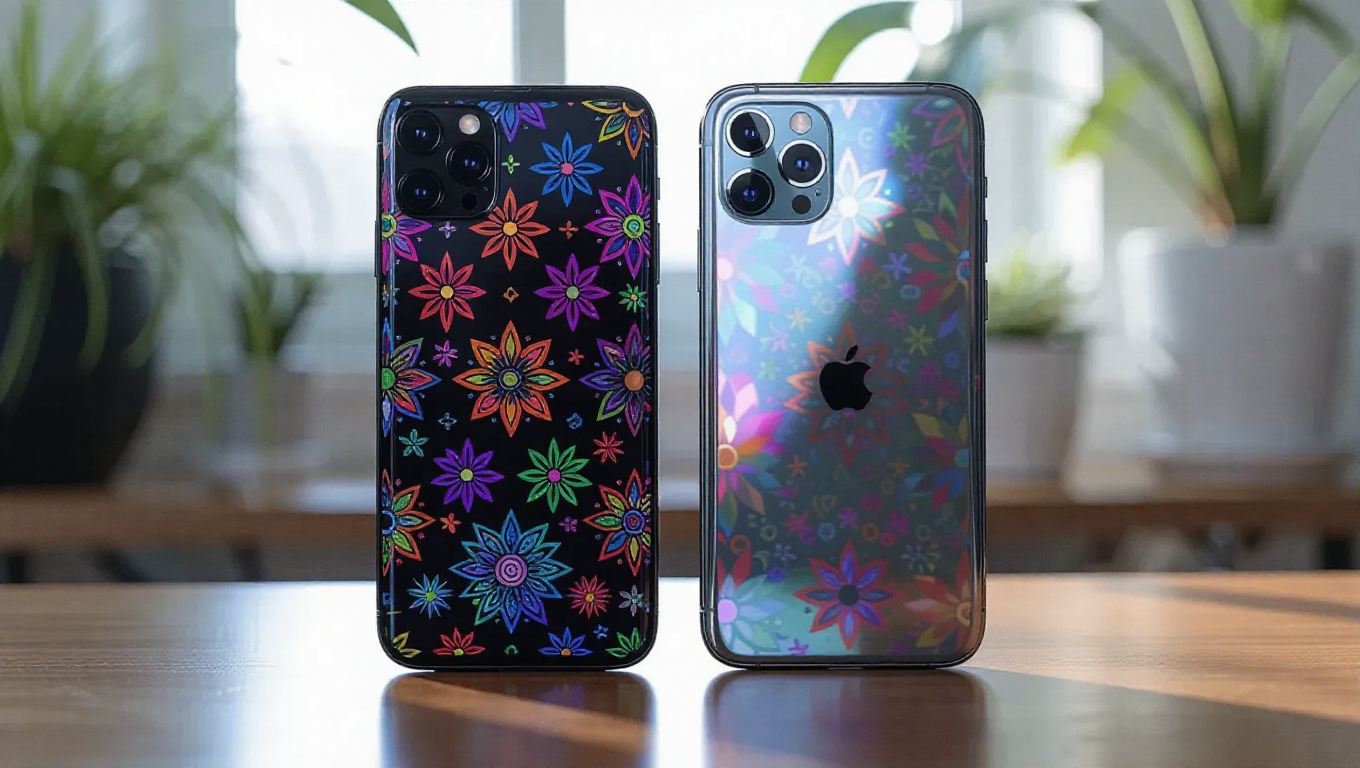
Oppo frequently employs elaborate graphic treatments across its entire product portfolio, from mid-range devices to premium flagships. The brand's distinctive patterns, gradients, and artistic back panel designs have become a signature element that appears consistently throughout their lineup, including high-end models like the Find X8 Pro and foldable devices such as the Find N3 Flip.
Samsung takes a markedly different approach. The company reserves graphic designs—including gradient effects, striped patterns, and ripple textures—almost exclusively for its budget-oriented smartphones. These decorative elements serve as visual indicators that distinguish entry-level devices from their more premium counterparts.
Samsung's Budget-Focused Design Strategy
In Samsung's ecosystem, elaborate back panel graphics typically signify devices positioned at the lower end of the price spectrum. Recent examples include the Galaxy A16 5G, Galaxy M16, Galaxy F06 5G, Galaxy M06, Galaxy F16, and Galaxy A17 models. These designs predominantly appear on devices from the Galaxy M and Galaxy F series, though certain Galaxy A models occasionally receive similar treatment.
Interestingly, many of these graphically-enhanced budget phones have limited global availability, often targeting specific regional markets where visual appeal at lower price points becomes a significant selling factor. This contrasts sharply with Oppo's strategy, where artistic back designs transcend price categories and serve as brand identifiers rather than price indicators.
Choosing Your First Samsung Device
For Oppo users accustomed to selecting phones based on visual appeal, this design distinction becomes crucial. While an Oppo user might naturally gravitate toward Samsung phones with familiar graphic treatments, this approach could lead to purchasing an entry-level device when seeking mid-range or premium performance.
Samsung's mid-tier and flagship smartphones typically feature more minimalist, sophisticated designs with subtle color variations and premium materials. The absence of bold patterns or gradient effects often signals higher-quality construction and better specifications. This design hierarchy helps consumers quickly identify a device's market positioning through visual cues alone.
Alternative Customization Options
Samsung offers other avenues for personalization that maintain device premiumness. The company provides online-exclusive color options for its higher-end Galaxy S and Galaxy Z series, allowing users to select unique finishes not available through standard retail channels. These exclusive colors become a mark of premium status rather than budget orientation.
For those seeking additional customization, Samsung's FlipSuit case collection offers an innovative solution. These protective cases incorporate NFC technology that automatically adjusts the phone's lock screen wallpaper and user interface elements to match the case design, providing dynamic personalization without compromising device quality perception.
Making an Informed Transition
The key takeaway for Oppo users considering Samsung lies in recognizing that visual design language carries different meanings across brands. What signifies premium craftsmanship in one ecosystem might indicate budget positioning in another. By understanding these design conventions, consumers can make more informed decisions that align their aesthetic preferences with performance expectations and budget considerations.
As smartphone design continues to evolve, these brand-specific visual languages will likely persist, making cross-brand navigation an essential skill for tech-savvy consumers looking to switch between manufacturers while maintaining their desired combination of style and functionality.