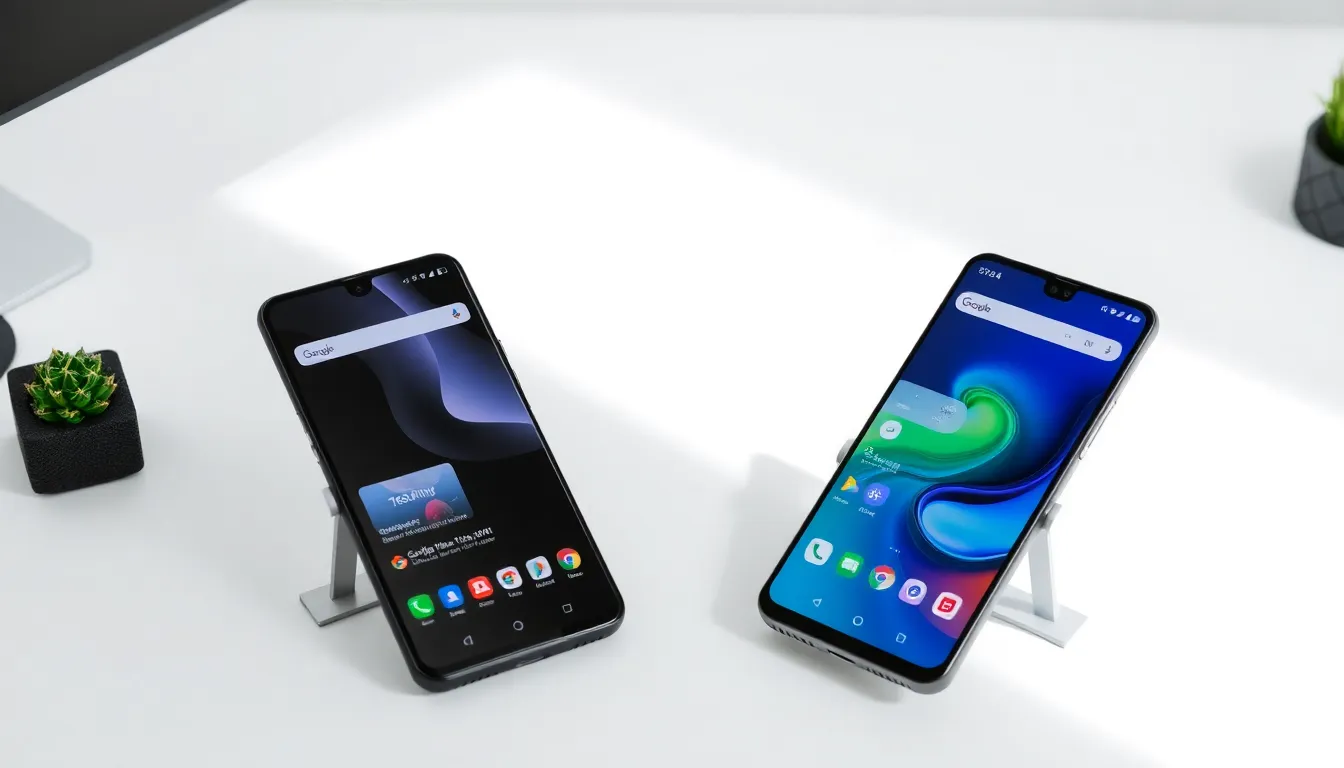
Switching from Google Pixel to Samsung Galaxy: What's Gained and Lost
When a Google Pixel 7 Pro was stolen, it prompted an unexpected shift to a Samsung Galaxy S23 Ultra as a primary device. This switch from Google's flagship to Samsung's aging but capable model offered a fresh perspective on the Android ecosystem, highlighting both the strengths and shortcomings of each brand's approach to smartphones.
The Transition Experience
Setting up the Samsung Galaxy S23 Ultra as a full daily driver—complete with financial apps, work tools, and personal data—revealed immediate differences from the Pixel experience. While the S23 Ultra is no longer the latest model, its hardware capabilities remain impressive, showcasing Samsung's commitment to durable, feature-rich devices. The transition process was straightforward, but it underscored how deeply integrated personal workflows become with a specific phone ecosystem.
What's Missed from the Pixel
The clean, minimalist software experience of Google's Pixel lineup is noticeably absent on Samsung devices. Pixel phones offer a streamlined Android interface with timely updates and intelligent features that feel seamlessly integrated. The loss of these software refinements becomes apparent in daily use, where Pixel-exclusive AI capabilities and a bloatware-free environment are replaced by Samsung's more layered approach.
Additionally, the camera software processing that made Pixel photos distinctive—particularly in computational photography—isn't fully replicated on the Galaxy device. While Samsung cameras are capable, they employ different algorithms that produce different results, requiring adjustment for those accustomed to Pixel's photographic signature.
What Samsung Brings to the Table
Samsung's hardware superiority becomes immediately evident. The Galaxy S23 Ultra's display quality, build materials, and overall durability represent a tangible upgrade. The device feels more substantial and premium in hand, with attention to detail that extends to every physical component.
Customization options on Samsung devices far exceed what's available on Pixel phones. From extensive theme support to deeper system-level adjustments, the Galaxy experience allows users to tailor their device more thoroughly to personal preferences. This flexibility extends to multitasking features and productivity tools that leverage the large screen effectively.
The ecosystem integration with other Samsung products—from tablets to wearables—also proves advantageous for users already invested in the brand's broader product lineup.
Conclusion: A Matter of Priorities
Switching from Google Pixel to Samsung Galaxy represents a trade-off between software purity and hardware excellence. For users who prioritize clean software, timely updates, and AI-driven features, the Pixel experience remains compelling. However, those who value premium hardware, extensive customization, and robust ecosystem integration may find Samsung's approach more satisfying.
The experience demonstrates that within the Android ecosystem, different manufacturers cater to distinct user preferences. While no device is perfect for everyone, understanding these differences helps consumers make informed choices based on what matters most in their daily smartphone use.