Survey Reveals the Smartphone Trend Consumers Want Gone by 2026
The smartphone industry is constantly evolving, with manufacturers introducing new features and design elements each year. While some innovations are welcomed by users, others become points of contention. A recent survey conducted among smartphone users sought to identify which current trends should be discontinued by 2026, and the results point to a clear frontrunner in user dissatisfaction.
The Unwanted Trend: Proprietary Charging Standards
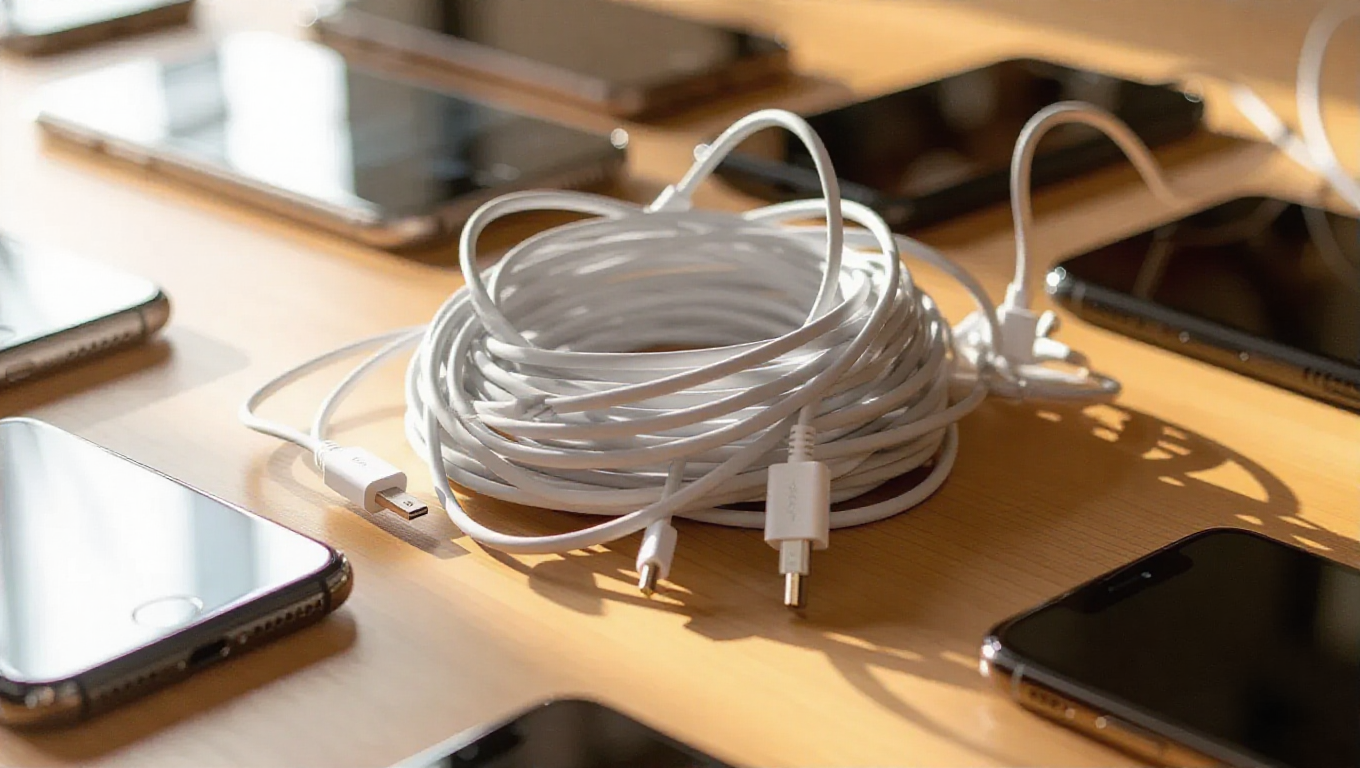
The survey revealed that the trend users most want to see eliminated is the persistence of proprietary charging standards and connectors. Despite industry movements toward universal solutions, many manufacturers continue to use their own exclusive charging ports or fast-charging protocols that require specific, often expensive, accessories. Users expressed frustration with the inconvenience of carrying multiple chargers, the environmental waste generated by incompatible accessories, and the perceived anti-consumer practice of locking users into a brand's ecosystem through charging technology.
This sentiment aligns with a growing consumer demand for sustainability and interoperability. The push for a universal charging standard, such as USB-C, has gained significant momentum globally, with regulatory bodies in several regions mandating its adoption. The survey suggests that consumers are not only aware of these developments but are actively advocating for manufacturers to accelerate the transition away from proprietary systems. The clutter of different cables and the inability to share chargers between devices from different brands were frequently cited as major pain points.
Other Notable Contenders
While proprietary charging emerged as the primary concern, the survey also highlighted other trends users hope will fade. These included the pursuit of excessively thin phone designs at the expense of battery life and durability, the use of non-functional decorative camera lenses that mislead consumers about camera capabilities, and short software update policies that prematurely obsolete devices. The prevalence of large, intrusive camera bumps that make phones unstable on flat surfaces was another point of criticism. However, the issue of charging standardization garnered significantly more votes, indicating it is a top-tier priority for the average user.
Industry Implications and Consumer Power
The survey results serve as direct feedback to smartphone manufacturers. In an era where user experience and brand loyalty are paramount, ignoring such a clear and widespread consumer preference could be detrimental. The call to end proprietary charging is not just about convenience; it's framed as a matter of consumer rights and environmental responsibility. As regulatory pressure increases, manufacturers that proactively adopt universal standards may gain a competitive advantage in public perception.
Ultimately, this survey underscores the power of collective consumer opinion. While tech companies often drive trends based on their vision of innovation, this poll indicates that users have a definitive say in what constitutes progress versus nuisance. The message for 2026 is clear: consumers are ready for a more unified, less fragmented charging experience, and they expect the industry to listen.
Conclusion
The data from this user survey presents a straightforward mandate: the trend of proprietary smartphone charging needs to end. As the industry looks toward 2026, the focus should shift from creating exclusive ecosystems to fostering compatibility and reducing electronic waste. The most interesting answer from the poll isn't just a complaint; it's a call for standardization that benefits users, the environment, and potentially the manufacturers who heed it. The ball is now in the industry's court to make this consumer wish a reality.