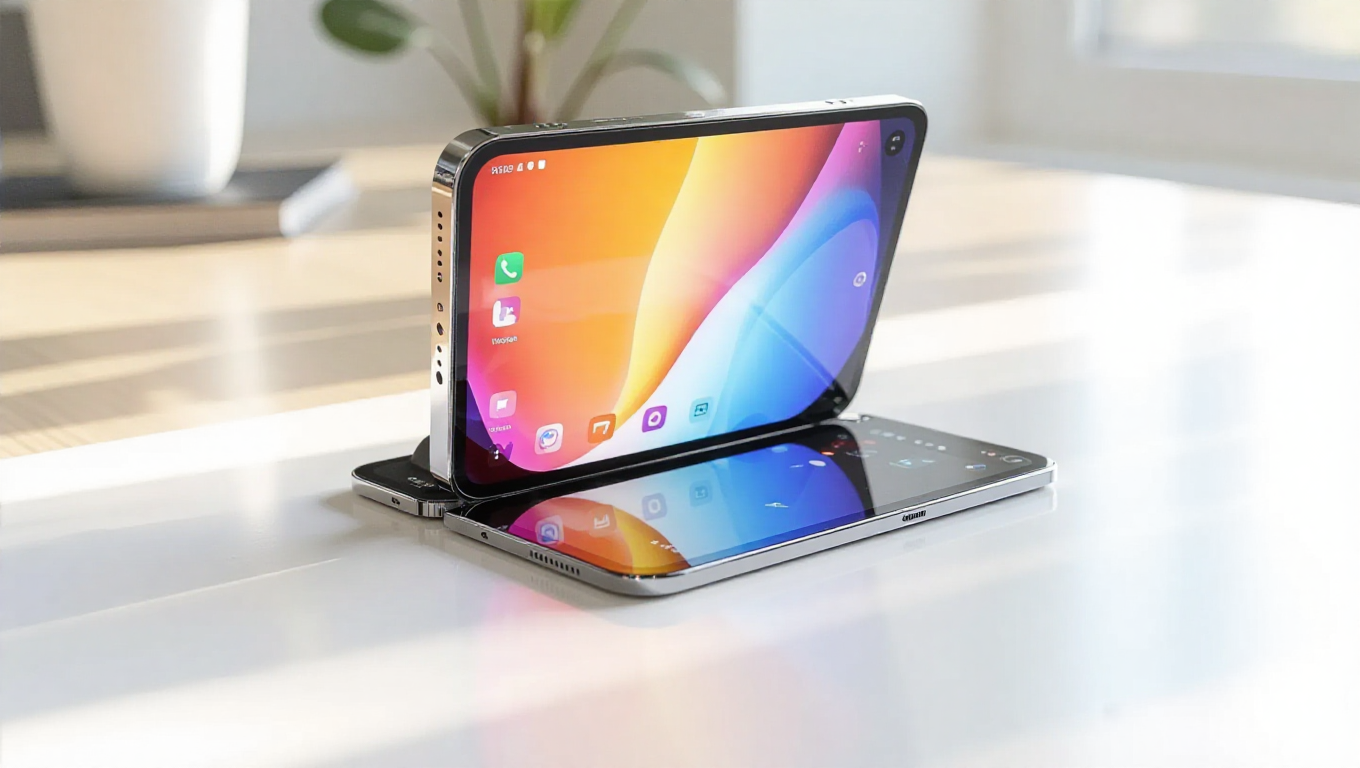
Survey Reveals Strong Consumer Interest in Foldable Phones, But Price Remains Key Barrier
The foldable smartphone market has been one of the most exciting developments in mobile technology in recent years, offering innovative form factors that blend tablet-sized screens with pocket-friendly portability. However, new survey data suggests that while consumer interest in these devices is strong, widespread adoption is being held back by one significant factor: price.
The Price Problem
Foldable smartphones have consistently carried premium price tags since their introduction, with most flagship models starting around $2,000 and some triple-panel designs exceeding that mark. These prices reflect the cutting-edge technology and engineering challenges involved in creating durable, flexible displays and hinges. While understandable from a manufacturing perspective, these costs have created a significant barrier for mainstream consumers.
The survey reveals that most potential buyers express strong interest in foldable technology but balk at current pricing. This suggests that while the innovation is appealing, consumers are weighing the value proposition carefully against traditional smartphones that offer similar core functionality at substantially lower price points.
The Value Proposition at Lower Price Points
Recent market observations indicate that when foldable devices become available at more accessible price points, consumer interest spikes dramatically. For instance, when older foldable models have appeared at significantly reduced prices—sometimes as low as one-third of their original launch price—they generate substantial consumer attention and discussion.
At these lower price tiers, consumers appear willing to accept certain compromises that might be deal-breakers at premium prices. These include older processor technology, more noticeable display creases, and concerns about long-term durability. The trade-off becomes more acceptable when the price aligns more closely with mid-range traditional smartphones rather than ultra-premium flagships.
What Consumers Want from Affordable Foldables
The data suggests that consumers evaluating foldables at more accessible price points prioritize certain features. Solid build quality and design remain important, as does a smooth software experience that takes advantage of the larger display for multitasking and productivity. Battery life and camera performance also factor into the value equation, though consumers appear more willing to accept compromises in these areas when the price is right.
Interestingly, the survey indicates that consumers don't necessarily expect budget foldables to match the performance of current flagship models. Instead, they're looking for devices that deliver the core foldable experience—the ability to transform from phone to tablet—without requiring a premium investment.
Market Implications and Future Outlook
This consumer sentiment has significant implications for manufacturers and the broader foldable market. The data suggests there's substantial untapped demand waiting for more affordable options. Manufacturers who can successfully bring foldable technology to lower price points while maintaining acceptable quality could potentially unlock a much larger market segment.
Several factors could help drive prices down in coming years, including manufacturing scale improvements, component cost reductions as technology matures, and increased competition as more manufacturers enter the foldable space. Some industry observers believe we may see more manufacturers targeting the mid-range foldable market as the technology becomes more established.
Conclusion
The foldable smartphone market stands at an interesting crossroads. Consumer interest is clearly present and growing, as evidenced by survey data showing strong desire for these innovative devices. However, the price barrier remains substantial, preventing many interested consumers from making the leap.
The path forward appears to involve balancing technological innovation with affordability. As manufacturing processes improve and competition increases, we may see more options that bring the foldable experience to price points that align with mainstream consumer expectations. Until then, the market may continue to see strong interest but limited adoption, with many potential buyers waiting for the right combination of features and price.
For manufacturers, the message from consumers seems clear: the foldable revolution has captured imaginations, but its mass adoption awaits more accessible pricing. Those who can crack this code may find themselves with a significant competitive advantage in the evolving smartphone landscape.