Snapdragon Wear Elite Launches with On-Device AI and Major Performance Gains
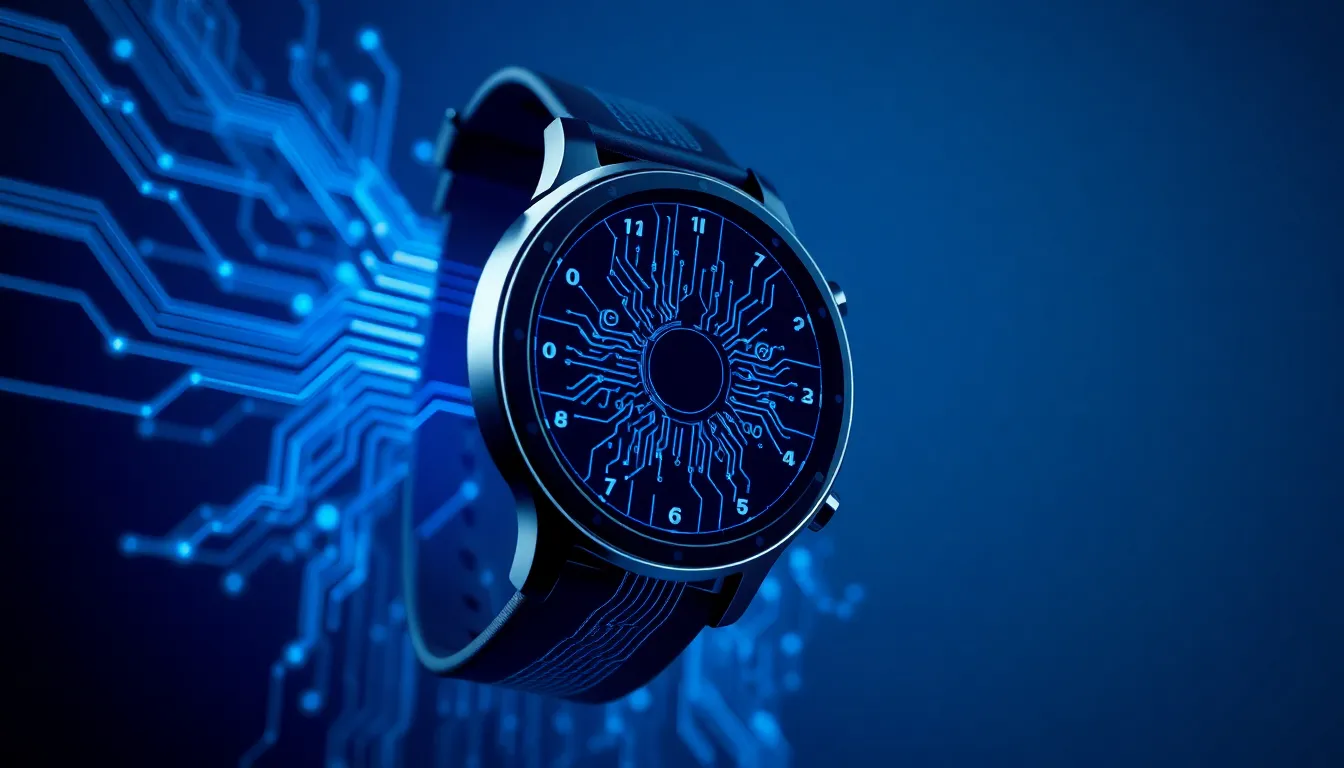
Qualcomm has officially introduced the Snapdragon Wear Elite platform, marking a significant leap forward for wrist-worn devices and the broader wearable category. This new system-on-a-chip (SoC) represents the company's most advanced offering for wearables to date, designed specifically to power the next generation of flagship WearOS smartwatches and emerging AI-focused wearable form factors like pins and pendants.
Performance and Efficiency Breakthroughs
The Snapdragon Wear Elite platform delivers substantial improvements across multiple performance metrics. Compared to the previous-generation Snapdragon W5+ Gen 2 platform, the new chipset offers approximately five times the CPU performance and up to seven times better GPU performance. These gains are complemented by a claimed 30% improvement in battery life, addressing one of the most persistent challenges in wearable technology.
These performance enhancements are enabled by a 3nm manufacturing architecture, which allows for greater transistor density and improved power efficiency. The combination of raw performance gains with better power management suggests that future devices powered by this platform could offer both more sophisticated features and longer usage between charges.
On-Device AI Capabilities
A key differentiator for the Snapdragon Wear Elite is its emphasis on on-device artificial intelligence processing. The platform is engineered to support what Qualcomm describes as the "agentic AI era," where wearables can process AI tasks locally without constant cloud connectivity. This approach offers several advantages, including faster response times, improved privacy, and reduced dependency on network connections.
The on-device AI capabilities are expected to enable more sophisticated health monitoring, contextual awareness, and natural language interactions directly on the wearable device. This represents a shift from the current model where many AI features require cloud processing, potentially opening new possibilities for always-available intelligent assistance.
Expanded Platform Support
Beyond its performance and AI features, the Snapdragon Wear Elite platform demonstrates Qualcomm's broader vision for the wearable ecosystem. The chipset includes support for both Android and Linux operating systems, indicating that it's designed to power not just traditional smartwatches but also new categories of wearable devices.
This expanded platform support suggests that manufacturers could use the same underlying technology to create diverse wearable products, from conventional smartwatches to more experimental form factors like AI pins and smart pendants. The unified platform approach could help accelerate innovation across the wearable market while maintaining compatibility with existing ecosystems.
Conclusion
The Snapdragon Wear Elite platform represents a significant step forward for wearable technology, combining substantial performance improvements with advanced on-device AI capabilities. With its 3nm architecture delivering both power and efficiency gains, along with support for multiple operating systems, this platform appears positioned to drive the next wave of innovation in smartwatches and beyond.
As manufacturers begin integrating this technology into upcoming products, consumers can expect devices that are not only faster and more capable but also smarter in how they process information and interact with users. The emphasis on local AI processing could particularly transform how wearables handle sensitive data and provide real-time assistance, potentially setting new standards for what's possible in compact, battery-powered devices.