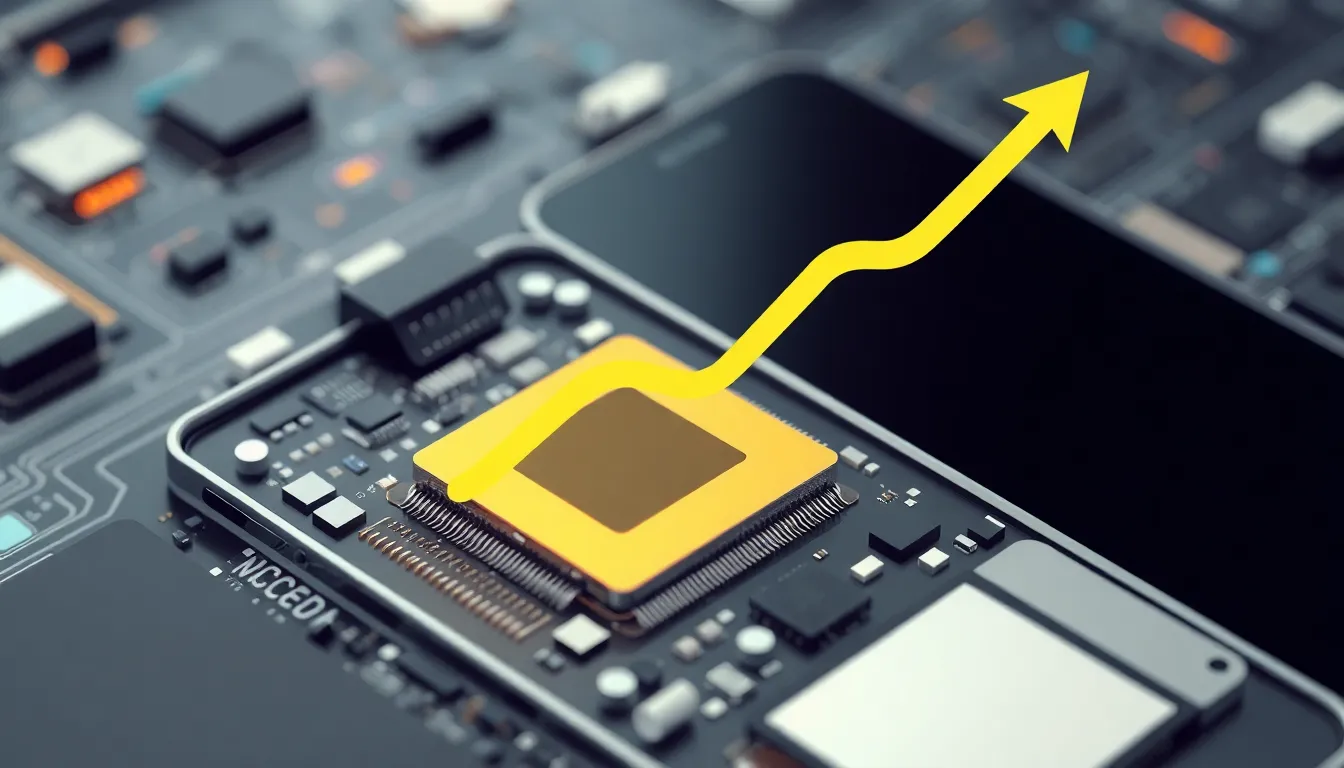
Smartphone Prices Set to Rise in 2026 as Memory Costs Surge
Smartphone manufacturers are facing a significant challenge as memory component costs experience dramatic increases, with analysts warning that higher retail prices for consumers are unavoidable in 2026. Recent data shows mobile RAM costs have risen by 50% quarter-on-quarter, while NAND storage prices have surged by over 90% in the same period.
Impact Across Price Segments
The rising memory costs are having a substantial impact on smartphone Bill of Materials (BoM) across all price tiers. Low-end smartphones, typically priced under $200, are being hit hardest by these increases. For a typical entry-level device with 6GB of LPDDR4X RAM and 128GB of eMMC storage, manufacturers now need to allocate approximately 43% of the total BoM to memory components. This represents a 25% increase compared to the previous quarter.
Mid-range smartphones in the $400-$600 price bracket are also feeling the pressure. Devices equipped with 8GB of LPDDR5X RAM and 256GB of UFS 4.0 storage are seeing manufacturing costs increase by 15% for RAM and 11% for storage in the first quarter of 2026. These figures are expected to worsen in the second quarter, with projected increases of 20% for RAM and 16% for storage.
Premium Devices Face Additional Challenges
While premium and flagship smartphones priced above $800 may have larger profit margins to help absorb some of the cost increases, they face additional complications. The latest 2nm chipsets used in high-end devices come with substantial price tags of their own, compounding the overall cost pressures.
For a premium smartphone with 16GB of LPDDR5X RAM and 512GB of UFS 4.1 storage, BoM costs are estimated to rise by $100-$150 in the second quarter of 2026. In such configurations, RAM would account for approximately 23% of the total BoM, while storage would represent about 18%.
Consumer Price Implications
The inevitable result of these manufacturing cost increases will be higher retail prices for consumers. Current estimates suggest low-end smartphones will become approximately $30 more expensive, while premium devices could see price hikes ranging from $150 to $200.
Industry analysis indicates that the memory price surge is creating structural changes to smartphone manufacturing economics. In 2026, original equipment manufacturers will face significant challenges balancing component costs, gross margins, and shipment targets. Companies that rely heavily on entry-level models to drive market share may face particular risks of short-term financial losses.
Conclusion
The smartphone industry is entering a period of significant cost pressure as memory component prices continue their dramatic ascent. While manufacturers may attempt to absorb some of these increases, the scale of the price surges makes substantial retail price hikes inevitable. Consumers across all market segments should prepare for more expensive smartphones in 2026, with the most pronounced increases expected in the premium segment. The coming months will reveal how manufacturers navigate these challenges while maintaining product competitiveness in an increasingly cost-sensitive market.