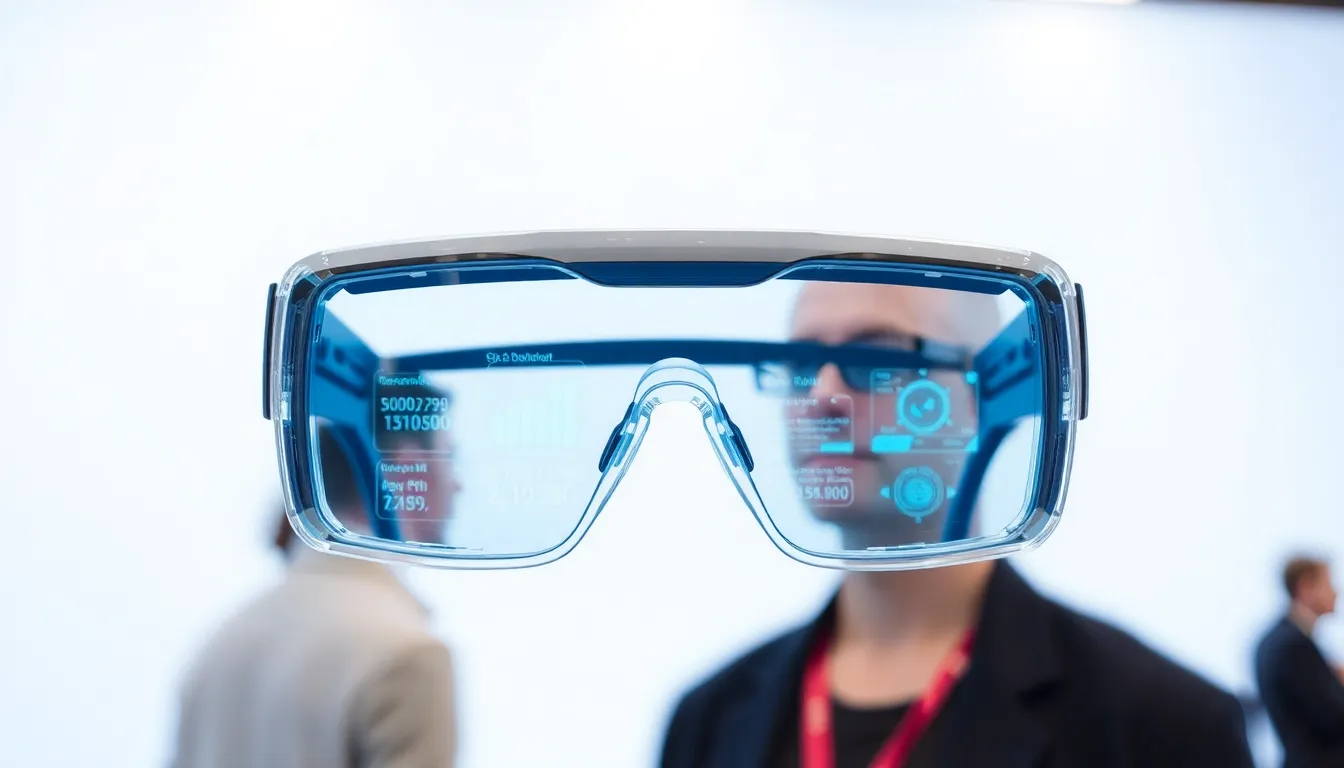
Smart Glasses Advance at CES 2026, But Android XR Looms as Game-Changer
The long-promised vision of practical, everyday smart glasses appears closer than ever, with recent technology showcases demonstrating substantial progress in both hardware capabilities and user experience. However, just as the current generation of devices begins to mature, a potentially transformative software platform threatens to redefine the entire category.
Current Smart Glasses: Reaching New Heights
The latest generation of smart glasses demonstrates remarkable technological advancement across multiple fronts. Display technology has evolved significantly, offering improved brightness, resolution, and color accuracy that make augmented content more seamless and visually appealing. Hardware improvements extend beyond just visual components, with better processing power, more efficient battery systems, and refined form factors that approach conventional eyewear aesthetics.
These advancements represent years of iterative development, addressing many of the fundamental limitations that previously hindered widespread adoption. The devices shown at recent technology exhibitions suggest that smart glasses are finally moving beyond niche applications and toward mainstream viability.
The Android XR Factor
Despite these hardware improvements, the smart glasses landscape faces potential disruption from an emerging software platform. Android XR, Google's extended reality operating system, promises to address one of the category's most persistent challenges: software fragmentation.
Current smart glasses often operate on proprietary or limited software ecosystems, creating barriers for developers and limiting app availability. Android XR could provide a unified platform that enables consistent development across devices, potentially unleashing a wave of innovation similar to what Android brought to smartphones. This standardized approach might accelerate adoption by providing users with familiar interfaces and access to a broader range of applications.
Timing and Market Implications
The proximity of Android XR's anticipated release creates a complex market dynamic. While current smart glasses represent the most advanced hardware available, their long-term relevance may depend on compatibility with the emerging platform. Manufacturers face strategic decisions about whether to continue refining existing architectures or pivot toward Android XR compatibility.
This timing challenge highlights a recurring pattern in technology adoption, where hardware maturity often precedes software ecosystem development. The situation suggests that the true breakthrough for smart glasses may come not from incremental hardware improvements alone, but from the software platform that finally unlocks their full potential.
Conclusion: An Inflection Point Approaches
Smart glasses technology has undeniably reached new levels of sophistication, with hardware that finally begins to fulfill the category's long-standing promise. The improvements in displays, processing, and design represent significant milestones in making augmented reality eyewear practical for everyday use.
However, the impending arrival of Android XR introduces a critical variable that could reshape the entire market landscape. The platform's potential to provide unified software, consistent development tools, and broad app compatibility might accelerate adoption more dramatically than any single hardware advancement. As the technology approaches this potential inflection point, both consumers and manufacturers face decisions about timing and compatibility that could determine which devices succeed in the emerging extended reality ecosystem.
The current generation of smart glasses deserves recognition for bringing the technology closer to mainstream viability, but the most transformative developments may still lie ahead with the software platforms that will ultimately define how we interact with augmented reality in daily life.