Shared Manufacturing Origins: The Surprising Common Ground Between Pixel and iPhone Devices
The technology landscape is often defined by fierce rivalries, with consumers passionately defending their preferred ecosystems. The Android versus iOS debate dominates countless discussions, creating an impression of fundamentally opposing philosophies. However, beneath the surface-level competition lies a more complex reality where these technological titans share more common ground than many realize.
Beyond the Brand Wars: Shared Production Foundations
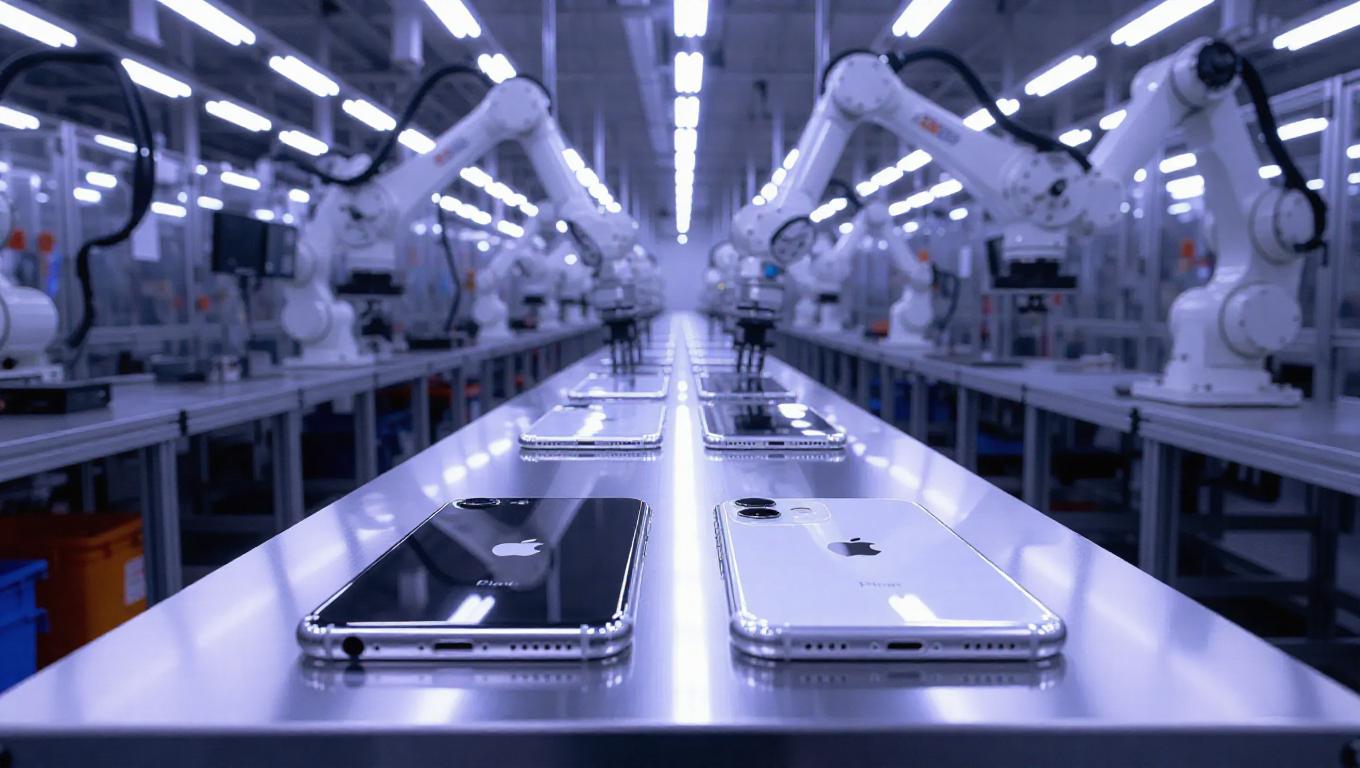
While marketing campaigns emphasize differentiation, the manufacturing reality tells a different story. Both Google and Apple rely on established electronics manufacturing services rather than maintaining their own production facilities. This shared approach to hardware creation reveals fundamental similarities in how premium smartphones reach consumers worldwide.
The production strategy involves partnering with specialized manufacturers who handle assembly and quality control processes. This model allows both companies to focus on design, software, and ecosystem development while leveraging manufacturing expertise developed over decades. The arrangement demonstrates how even direct competitors can benefit from similar supply chain strategies in a globalized technology market.
Manufacturing Partnerships: More Than Just Assembly
The manufacturing relationships extend beyond simple assembly contracts. These partnerships involve complex coordination around component sourcing, quality assurance protocols, and production scaling to meet global demand. Both companies work with manufacturers who have developed sophisticated processes for handling the precise requirements of premium smartphone production.
This shared manufacturing approach influences various aspects of device creation, from initial prototyping to mass production. The relationships ensure that both Pixel and iPhone devices benefit from established manufacturing expertise, even as the companies compete fiercely in the marketplace. The arrangement highlights how technological competition can coexist with practical manufacturing cooperation.
Supply Chain Implications and Industry Dynamics
The shared manufacturing reality has significant implications for the broader technology ecosystem. It demonstrates how even competing platforms can converge on practical solutions for hardware production. This convergence affects component sourcing, production timelines, and even quality control standards across the industry.
Manufacturers serving multiple clients must maintain flexible production lines capable of meeting different specifications while maintaining consistent quality standards. This dynamic creates interesting parallels in how devices from competing companies are actually produced, despite their different software platforms and brand identities.
Conclusion: Rivals with Common Foundations
The technology industry often presents itself as a battlefield of competing philosophies, but the manufacturing reality reveals more nuanced relationships. While Google and Apple compete vigorously for consumer attention and market share, their approaches to hardware production share significant commonalities. These shared foundations in manufacturing and supply chain management demonstrate how practical considerations can create unexpected connections between even the fiercest competitors.
Understanding these manufacturing relationships provides valuable perspective on how premium smartphones are created. It reveals that behind the brand wars and ecosystem debates lies a more complex reality where competing companies often navigate similar challenges and solutions in bringing their visions to physical reality. This insight helps consumers appreciate the sophisticated global networks that make modern technology possible, regardless of which brand they ultimately choose.