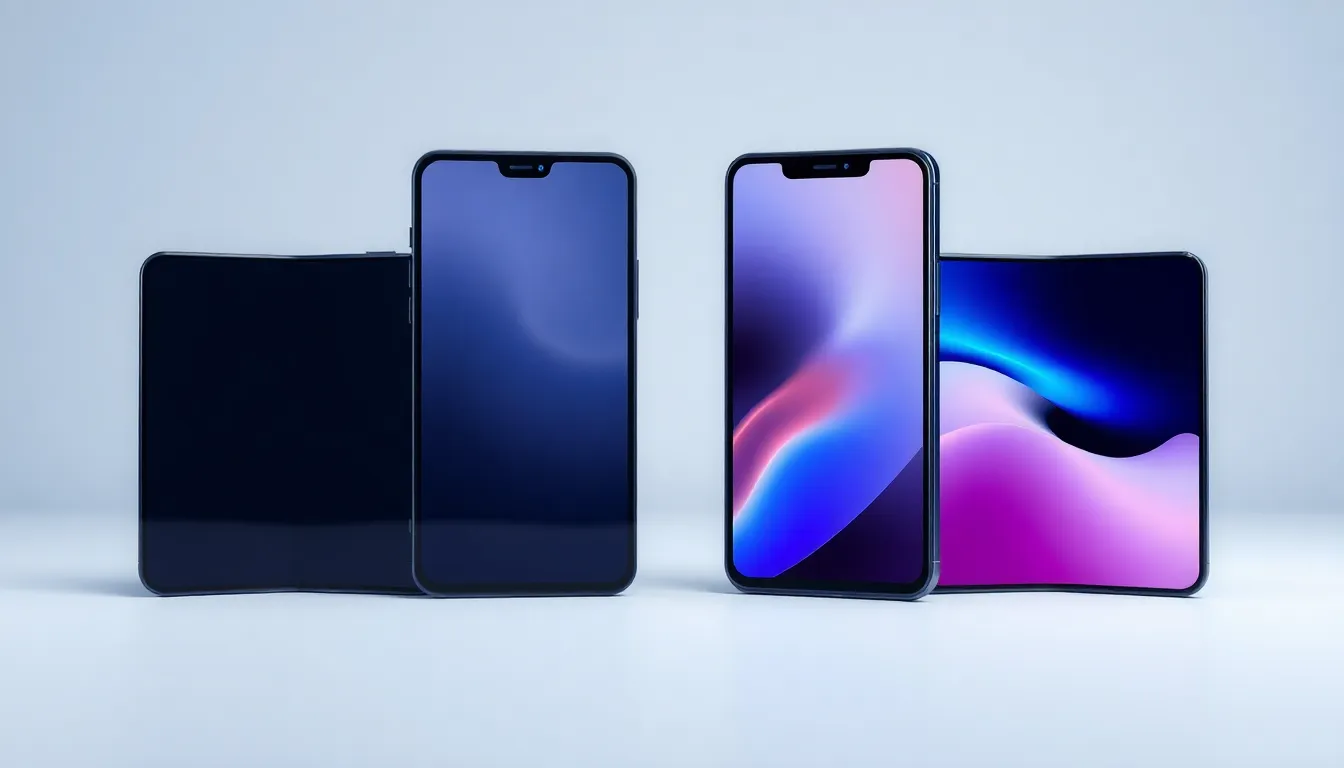
Samsung Wide Fold vs iPhone Fold: New Renders Show the Battle for the Perfect Aspect Ratio
The foldable smartphone market is poised for a significant shift as two tech giants prepare to introduce wider form factors. New renders have emerged comparing Samsung's rumored Wide Fold and Apple's anticipated iPhone Fold, revealing a move away from taller designs toward more balanced aspect ratios.
The Shift to Wide-Screen Foldables
Both Samsung and Apple are reportedly developing foldable devices with 4:3 aspect ratios on their inner displays. This represents a departure from the taller cover display designs that have characterized Samsung's Galaxy Z Fold lineup. The change appears to be a strategic response to evolving user preferences for more versatile screen proportions that better accommodate multimedia consumption and productivity tasks.
The renders indicate that both devices will feature similarly sized interior displays with nearly identical shapes. The primary visual distinction lies in the corner design: Samsung's model shows sharper corners while Apple's iteration displays rounder ones. This subtle difference may reflect each company's established design language while maintaining functional similarity.
Competitive Landscape and Timing
Industry reports suggest both the Samsung Wide Fold and the foldable iPhone are targeting a fall 2026 debut, setting the stage for direct competition in the premium foldable segment. Samsung's development of a wide-screen foldable is seen by some analysts as a preemptive response to Apple's entry into the market, despite Samsung's pioneering role with taller foldable designs.
The timing suggests both companies are investing significant resources to refine their offerings, potentially addressing current foldable pain points like durability, software optimization, and multi-tasking capabilities. The move toward wider aspect ratios may also indicate industry consensus on optimal foldable dimensions for mainstream adoption.
Design Implications and User Experience
The 4:3 aspect ratio represents a compromise between the squarer proportions of tablets and the taller formats of traditional smartphones. This middle ground could offer improved usability for video streaming, document editing, and gaming while maintaining pocketability when folded. The renders show devices that appear more balanced than current tall foldables, potentially addressing ergonomic concerns.
The similarity in display dimensions between the two rumored devices suggests convergence on what manufacturers consider the ideal foldable form factor. However, implementation differences in hinge mechanisms, software optimization, and material choices will likely distinguish the user experiences beyond mere aspect ratio considerations.
Conclusion
The emerging renders of Samsung and Apple's wide-screen foldables signal an important evolution in foldable smartphone design. The shift toward 4:3 aspect ratios represents a potential industry standard for balancing productivity and entertainment use cases. While the visual differences appear minimal in these early renders, the real competition will likely emerge in implementation details, software integration, and overall ecosystem advantages. As both companies target late 2026 releases, consumers can expect intensified innovation in the foldable segment, with aspect ratio optimization being just one front in the broader battle for foldable supremacy.