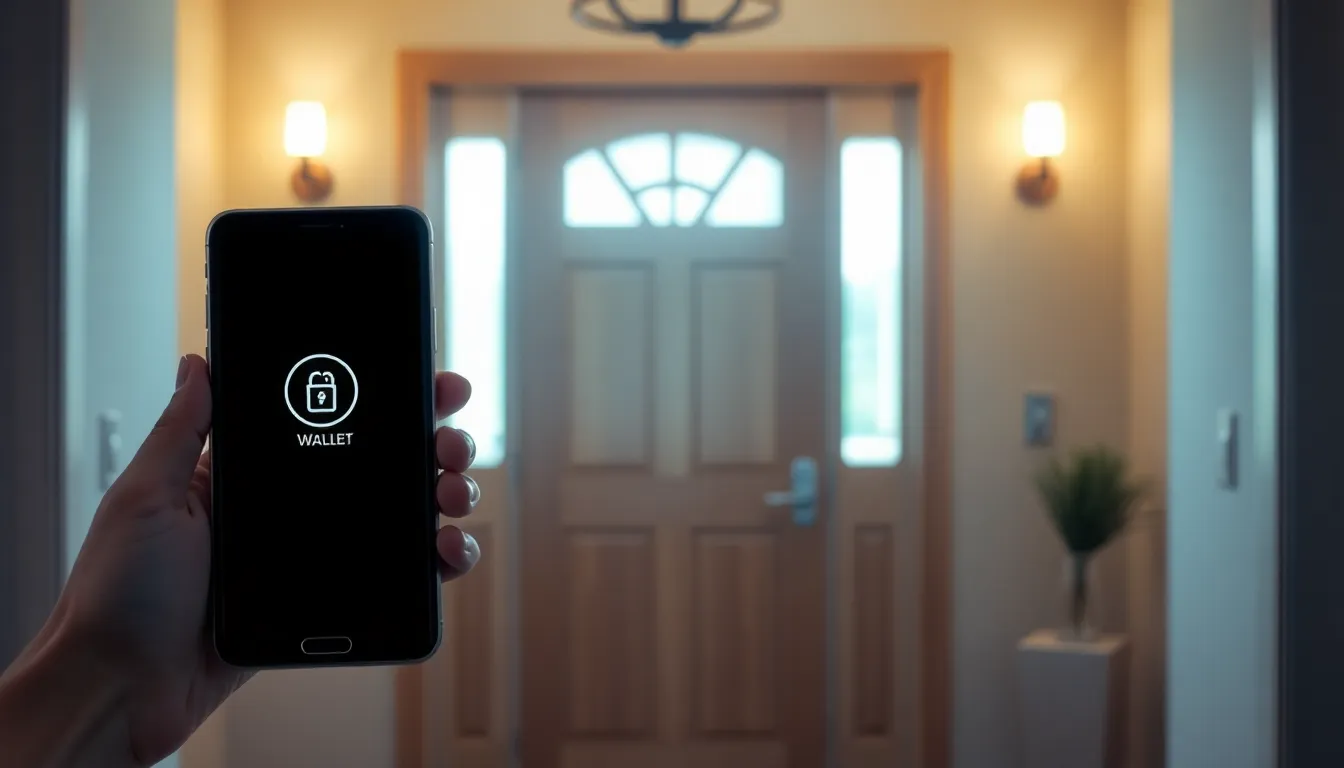
Samsung Wallet Expands Aliro Digital Home Keys to Canada
Samsung Wallet has introduced support for CSA Aliro-based Digital Home Keys in Canada, marking a significant step in the integration of digital access solutions for smart homes. This feature allows users to store digital keys for compatible smart locks directly in their digital wallet, enhancing convenience and security for homeowners.
How It Works
To utilize the new feature, users must first set up or add a compatible smart lock to Samsung SmartThings using the Matter protocol. Once configured, the digital key can be added to Samsung Wallet. This process streamlines access management, reducing the need for physical keys or separate apps.
After adding the digital key, users can unlock their smart locks in multiple ways: by tapping their phone on the lock using NFC, bringing the device close to the lock via UWB-based proximity detection, or directly through the Samsung Wallet app. This flexibility caters to different user preferences and scenarios, whether at the doorstep or remotely.
Compatible Devices and Future Expansion
Currently, Aliro-based Digital Home Keys are supported by select smart locks from brands such as Aqara, Nuki, Schlage, and Xthings. This limited but growing list reflects the early adoption phase of the technology, with expectations for broader compatibility as more manufacturers integrate Aliro standards.
Reports indicate that Samsung plans to expand support for Aliro-based Digital Home Keys to other countries gradually over the coming months and years. This rollout strategy suggests a phased approach to ensure stability and user adoption across different markets, potentially making digital home keys a standard feature in smart home ecosystems.
Conclusion
The introduction of Aliro Digital Home Keys support in Samsung Wallet for Canada represents a forward leap in smart home technology, offering users enhanced convenience and security. By leveraging NFC, UWB, and app-based access, Samsung is positioning its digital wallet as a central hub for everyday tasks. As support expands to more devices and regions, this feature could become a cornerstone of modern home automation, reducing reliance on traditional keys and simplifying access management for homeowners worldwide.