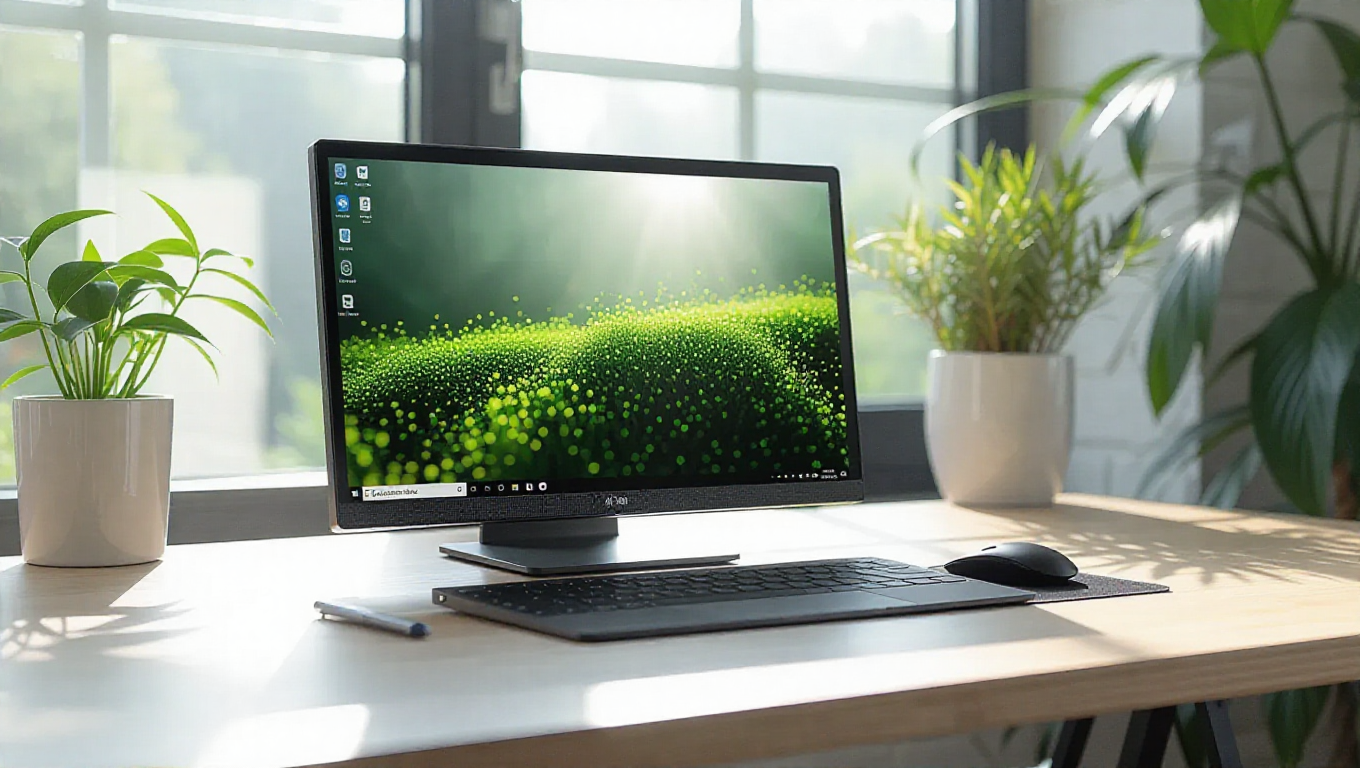
Samsung Unveils World's First Display Using Phytoplankton-Based Bio-Resin
In a significant step toward sustainable electronics manufacturing, Samsung has introduced a groundbreaking display that incorporates bio-resin derived from phytoplankton. The 13-inch EM13DX Color E-Paper represents the first commercial application of this innovative material in display technology, setting a new benchmark for environmental responsibility in the industry.
A New Era in Sustainable Manufacturing
The 13-inch Color E-Paper display marks a pivotal moment in electronics production. While currently available only as an enterprise product, its manufacturing process could eventually influence consumer devices. The display's housing combines 45% recycled plastic with 10% phytoplankton-based bio-resin, a composition that has received independent verification from global safety and sustainability certification bodies.
This development comes at a time when commercial production of phytoplankton-derived resin is just beginning to reach real-world applications. The technology represents a promising alternative to petroleum-based plastics, offering a more sustainable path forward for electronics manufacturing. Early indications suggest the new resin can reduce carbon emissions during production by more than 40%, a substantial improvement over traditional methods.
Technical Excellence Meets Environmental Innovation
Beyond its sustainable credentials, the 13-inch Color E-Paper maintains the impressive technical specifications of its larger predecessor. The display can present static color images while consuming zero watts of power, making it ideal for digital signage applications where energy efficiency is paramount. Advanced color image algorithms enhance both accuracy and readability, ensuring high-quality visual performance.
The display follows Samsung's previous introduction of a 32-inch Color E-Paper model, which demonstrated the potential for this technology in applications ranging from digital picture frames to wall art. While enterprise-focused for now, the technology's underlying principles could eventually reach consumer markets as manufacturing processes mature and scale.
Industry Implications and Future Prospects
This development represents more than just a single product launch—it signals a potential shift in how electronics companies approach material science and environmental responsibility. As the first display to incorporate phytoplankton-based bio-resin, Samsung's innovation could inspire broader adoption of sustainable materials across the technology sector.
The successful integration of bio-resin into display manufacturing suggests that similar approaches could be applied to other electronic components and products. While still in early stages, the technology demonstrates that environmental sustainability and technical performance need not be mutually exclusive goals in electronics design.
Conclusion
Samsung's 13-inch Color E-Paper display represents a meaningful advancement in sustainable electronics manufacturing. By successfully incorporating phytoplankton-derived bio-resin into a commercial product, the company has demonstrated that innovative materials can reduce environmental impact without compromising performance. As this technology develops and potentially expands to consumer applications, it could help establish new standards for environmental responsibility in the electronics industry while maintaining the high-quality visual experiences users expect.