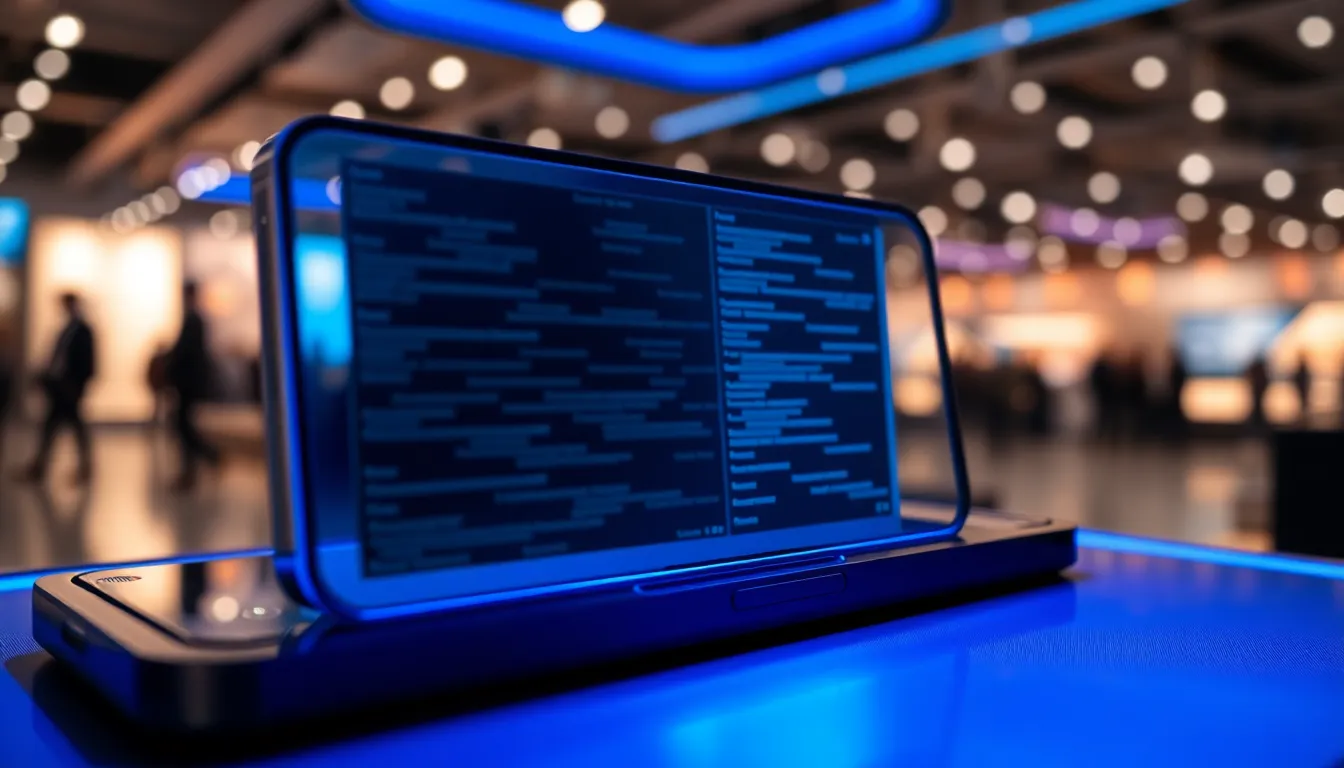
Samsung Unveils Next-Gen Privacy Display Technology for Future Galaxy Devices
Samsung is pushing the boundaries of smartphone privacy with a new iteration of its Privacy Display technology, demonstrated at this year's Mobile World Congress. The enhanced system builds upon the innovative privacy filter introduced with the Galaxy S26 Ultra, offering more sophisticated protection against visual eavesdropping.
Advancing Privacy Beyond Current Limitations
The original Privacy Display implementation on the Galaxy S26 Ultra represented a significant step forward in smartphone privacy, allowing users to shield sensitive on-screen content from prying eyes with a software-controlled filter. While that initial version offered partial-screen support primarily for notifications, the next-generation technology demonstrates substantially improved flexibility in selective screen coverage.
This evolution addresses one of the key limitations of current privacy screen implementations. Rather than requiring users to activate privacy mode for the entire display, the enhanced system enables more granular control over which specific areas of the screen receive protection. This approach maintains usability while providing targeted privacy exactly where needed.
Technical Implementation and User Benefits
The technology works through a combination of hardware and software integration. At the hardware level, specialized display components create viewing angle limitations that prevent content from being visible from side angles. Software controls then manage which screen regions activate this privacy function, creating a seamless user experience.
For practical use, this means users could protect sensitive information like banking details, private messages, or confidential documents while keeping other screen areas fully visible. The system appears designed to work dynamically, potentially allowing different privacy zones to activate based on the content being displayed or user preferences.
Future Integration and Market Implications
While demonstrated as a standalone technology at MWC, industry observers anticipate this enhanced Privacy Display could appear in future Samsung flagship devices. The timing suggests potential integration with upcoming models, offering a tangible privacy improvement over current implementations.
The development represents Samsung's continued commitment to differentiating its premium devices through innovative display technologies. As privacy concerns grow among smartphone users, features that offer practical protection without compromising usability could become increasingly important competitive advantages in the high-end smartphone market.
Conclusion
Samsung's next-generation Privacy Display technology demonstrates meaningful progress in smartphone privacy solutions. By moving beyond all-or-nothing approaches to offer flexible, partial-screen protection, the system addresses real-world privacy needs while maintaining display quality and usability. As this technology matures and potentially reaches consumer devices, it could establish new standards for how smartphones protect sensitive information in public settings.