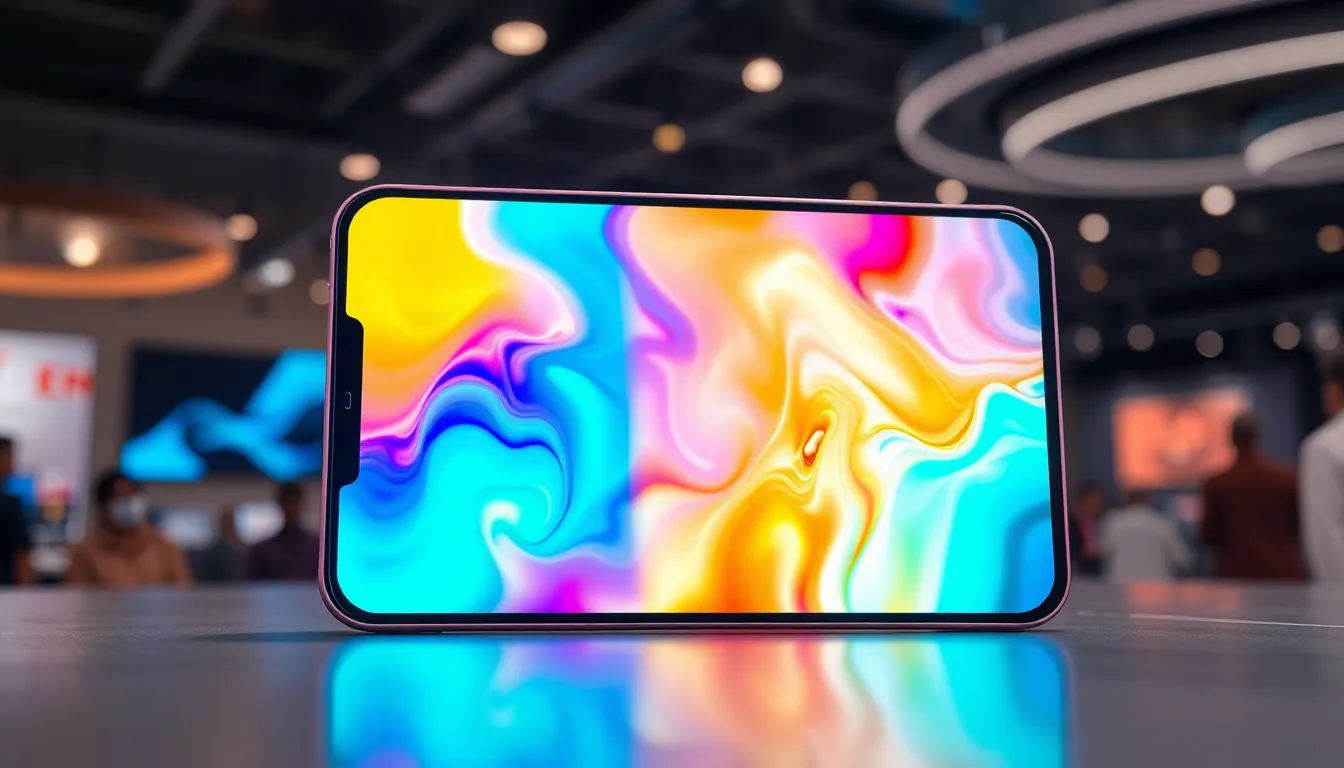
Samsung Unveils LEAD 2.0 OLED: The Future of Smartphone Display Brightness at MWC 2026
At Mobile World Congress 2026, Samsung Display provided a compelling glimpse into the future of smartphone screens, showcasing its next-generation LEAD 2.0 OLED technology. The demonstration highlighted significant advancements in brightness, efficiency, and design that could redefine the visual experience on mobile devices in the coming years.
A Leap in Luminance and Clarity
The centerpiece of Samsung's display showcase was the LEAD 2.0 OLED panel, which represents a substantial evolution from current smartphone displays. First-hand observations revealed panels that appeared dramatically brighter and crisper than conventional OLED screens, despite having a lower pixel-per-inch count. The technology delivers higher dynamic range and more saturated colors, creating a more vibrant and immersive viewing experience across various content types.
Beyond raw brightness, the LEAD 2.0 panels feature significantly reduced bezels, pushing smartphone design toward truly edge-to-edge displays. This combination of enhanced visual performance and minimalist design suggests a future where smartphone screens become even more dominant in device aesthetics and functionality.
Innovative Features and Applications
The LEAD 2.0 technology incorporates Flex Magic Pixel (FMP) technology, which enables advanced privacy display functionality. This feature, already implemented in devices like the Galaxy S26 Ultra, limits side-angle visibility to prevent others from viewing on-screen content while maintaining excellent front-facing image quality. Samsung has improved both brightness and power efficiency in this latest iteration while preserving the privacy-focused capabilities.
Beyond smartphone applications, Samsung Display demonstrated its vision for OLED technology across multiple device categories. The company showcased an RGB OLED on Silicon (OLEDoS) panel designed for mixed reality headsets, featuring an exceptional pixel density of approximately 5,000 pixels per inch—roughly ten times higher than typical smartphone displays. This technology enables more immersive extended reality experiences with unprecedented visual clarity.
Broader Display Ecosystem Vision
Samsung's MWC 2026 booth presented a comprehensive vision for OLED technology extending far beyond smartphones. The company displayed various concept products including interactive robots with circular OLED screens, flexible display cases for premium collectibles, and a "Bezel-less OLED Wall" created by seamlessly combining multiple panels in a mosaic pattern. These concepts illustrate Samsung's ambition to integrate OLED displays into diverse aspects of daily life, from automotive applications to smart home devices and interactive installations.
The demonstration highlighted how display technology continues to evolve as a critical differentiator in consumer electronics, with companies pushing boundaries in efficiency, luminance, and definition to create more engaging user experiences across device categories.
Conclusion: Brighter Horizons for Mobile Displays
Samsung's LEAD 2.0 OLED technology showcase at MWC 2026 signals a significant step forward in smartphone display capabilities. The combination of dramatically increased brightness, improved power efficiency, enhanced privacy features, and minimalist bezel design points toward a future where mobile screens offer even more compelling visual experiences. As display technology continues to advance, these innovations will likely influence not only smartphone design but also how users interact with content across an expanding ecosystem of connected devices. The demonstration reinforces Samsung's position at the forefront of display innovation while offering a tangible preview of what consumers can expect from their next-generation mobile devices.