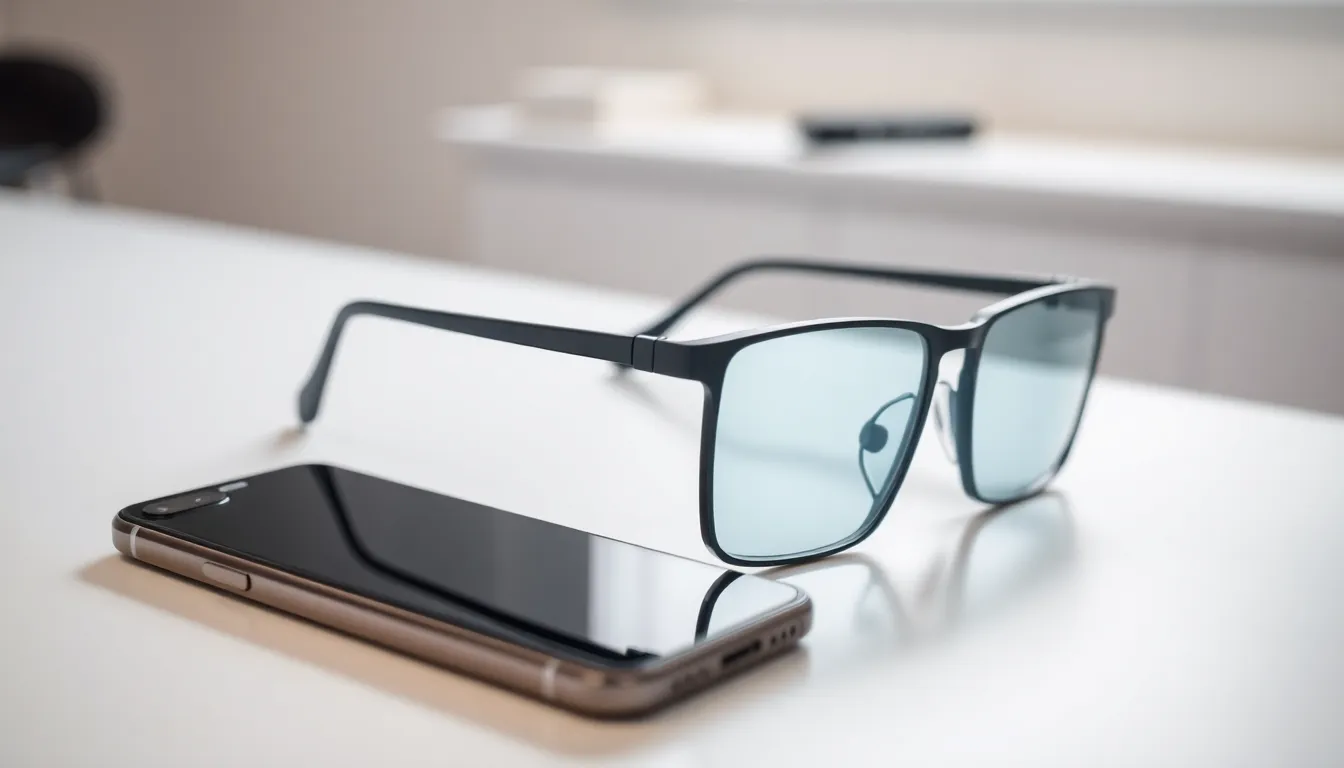
Samsung Unveils First Details on AI Glasses with Built-in Camera, Phone Connectivity
Samsung has finally lifted the veil on its long-anticipated AI glasses project, revealing key specifications and design philosophy during a recent industry event. After announcing partnerships last year with Google and fashion eyewear brands Gentle Monster and Warby Parker, the company is now detailing what users can expect from its first foray into smart eyewear.
Camera at Eye Level, Phone-Based Processing
The most significant revelation concerns the glasses' hardware configuration. Samsung's first AI glasses will feature a built-in camera positioned at the user's eye level, providing a natural perspective for image and video capture. This design choice suggests a focus on first-person documentation and visual assistance rather than augmented reality overlays.
Perhaps more notably, the glasses will not process data independently. Instead, they will connect to a user's smartphone and transfer captured data to the phone for computational processing. This approach leverages existing mobile hardware power while potentially keeping the glasses themselves lighter, more energy-efficient, and less expensive. The glasses are expected to run the Android XR operating system and include microphones and speakers for audio interaction.
Focus on AI Assistance Over AR Display
In a clear statement of intent, Samsung indicated that its initial AI glasses model will likely not include an augmented reality display. The company's rationale points to its existing product portfolio, which already offers wearable devices with displays for users who need that functionality. This suggests the first-generation glasses will prioritize AI-powered features like object identification in captured media, question-answering via Google's Gemini AI, and voice-controlled assistance over visual overlays.
Launch Timeline and Future Roadmap
Samsung is targeting an initial release "for industry" later this year, aligning with previous statements about the product's development timeline. While the consumer brand name remains unconfirmed—with "Galaxy Glasses" being a strong possibility—the industrial focus suggests early applications in fields like logistics, manufacturing, or field service where hands-free, AI-assisted documentation could provide immediate value.
Looking ahead, Samsung has hinted at a potential future version featuring a monocular AR display on one lens. This would represent a more advanced iteration, building upon the company's experience with its existing Galaxy XR mixed-reality headset. For now, however, the company appears committed to establishing its AI glasses as a distinct category focused on ambient computing and contextual assistance rather than immersive visual experiences.
Conclusion
Samsung's AI glasses strategy reveals a pragmatic approach to wearable technology. By starting with a camera-focused, phone-dependent design that forgoes complex displays, the company aims to deliver practical AI functionality in a familiar form factor. Partnerships with fashion brands address aesthetic concerns, while collaboration with Google ensures robust AI capabilities. As the industry release approaches, Samsung appears positioned to challenge existing smart glasses paradigms by emphasizing seamless AI integration over flashy AR visuals.