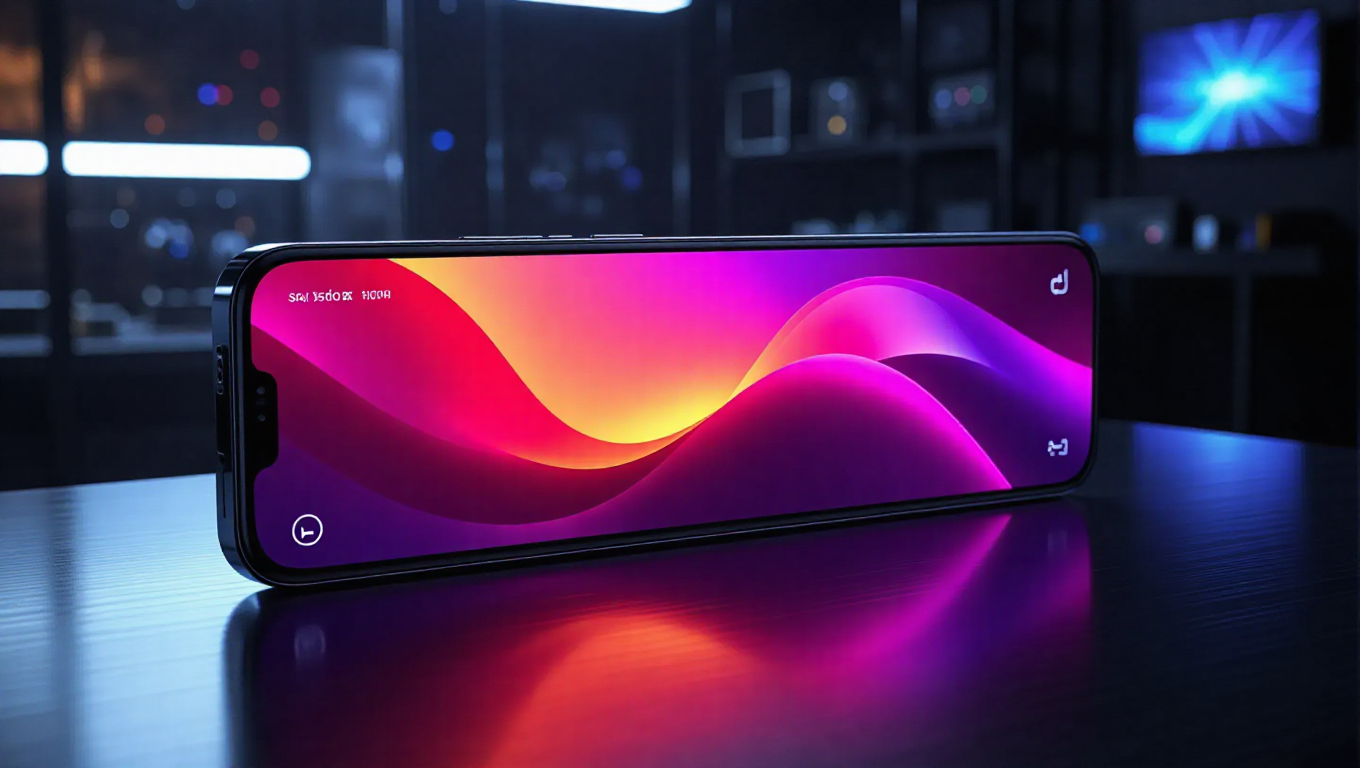
Samsung to Supply Advanced LTPO+ OLED Displays for iPhone 18 Pro Series
In a significant development for the smartphone display industry, Samsung Display is poised to manufacture the most advanced OLED panels yet for Apple's future flagship devices. The technology partnership, which has spanned years, will reportedly extend to the iPhone 18 Pro, iPhone 18 Pro Max, and a highly anticipated foldable iPhone model.
The LTPO+ OLED Technology
The core of this advancement lies in the Low-Temperature Polycrystalline Silicon Oxide Plus (LTPO+) OLED panels. This next-generation display technology incorporates oxide materials in the driver unit, a design choice that significantly enhances power efficiency compared to current solutions. While maintaining the coveted 1-120Hz variable refresh rate for smooth scrolling and adaptive performance, these panels are engineered to reduce overall power consumption, potentially extending battery life in future iPhones.
A key enabling feature of the LTPO+ design is its ability to facilitate the placement of an infrared camera beneath the active display area. This capability is central to Apple's rumored plans for the iPhone 18 Pro series.
Under-Display Face ID and the Foldable Future
The integration of LTPO+ panels is expected to allow Apple to relocate the Face ID biometric system entirely beneath the screen. Currently, the system's components—the flood illuminator, infrared camera, and dot projector—reside within the Dynamic Island cutout. The new technology would eliminate this visible notch or pill-shaped area, moving toward a truly seamless, all-screen front design.
For the speculated foldable iPhone, Samsung Display is positioned as the sole supplier for the flexible OLED panel. Reports suggest this panel will utilize a crease-less build, a critical advancement for foldable device aesthetics and durability that Samsung has been developing for its own Galaxy Z series.
Supply Chain Dynamics and Competitive Landscape
Apple's strategy to diversify its display supply chain has included engagements with Chinese manufacturers like BOE. However, for its most demanding, high-end products, the company continues to rely on the technological leadership and mass-production prowess of Samsung Display and LG Display. This reliance underscores the current gap in cutting-edge OLED manufacturing capabilities, particularly for the complex specifications required for Pro-model iPhones and novel form factors like foldables.
The move also highlights the competitive interplay between the two tech giants. Samsung's own Galaxy S and Z series smartphones already utilize LTPO OLED technology. The development and production of the even more advanced LTPO+ panels for Apple could accelerate the adoption of this technology across Samsung's portfolio, potentially narrowing the power efficiency gap and intensifying the flagship rivalry.
Conclusion
The reported deal between Samsung Display and Apple for the iPhone 18 Pro's displays represents a convergence of leading-edge display innovation and strategic supply chain management. By leveraging Samsung's LTPO+ technology, Apple aims to deliver iPhones with enhanced battery efficiency, a cleaner all-screen design via under-display Face ID, and, in the case of a foldable model, a premium crease-less viewing experience. This collaboration not only sets the technological benchmark for the 2026 smartphone cycle but also reinforces the complex, symbiotic relationship between these industry titans, where competition in the consumer market coexists with deep interdependence in the component supply chain.