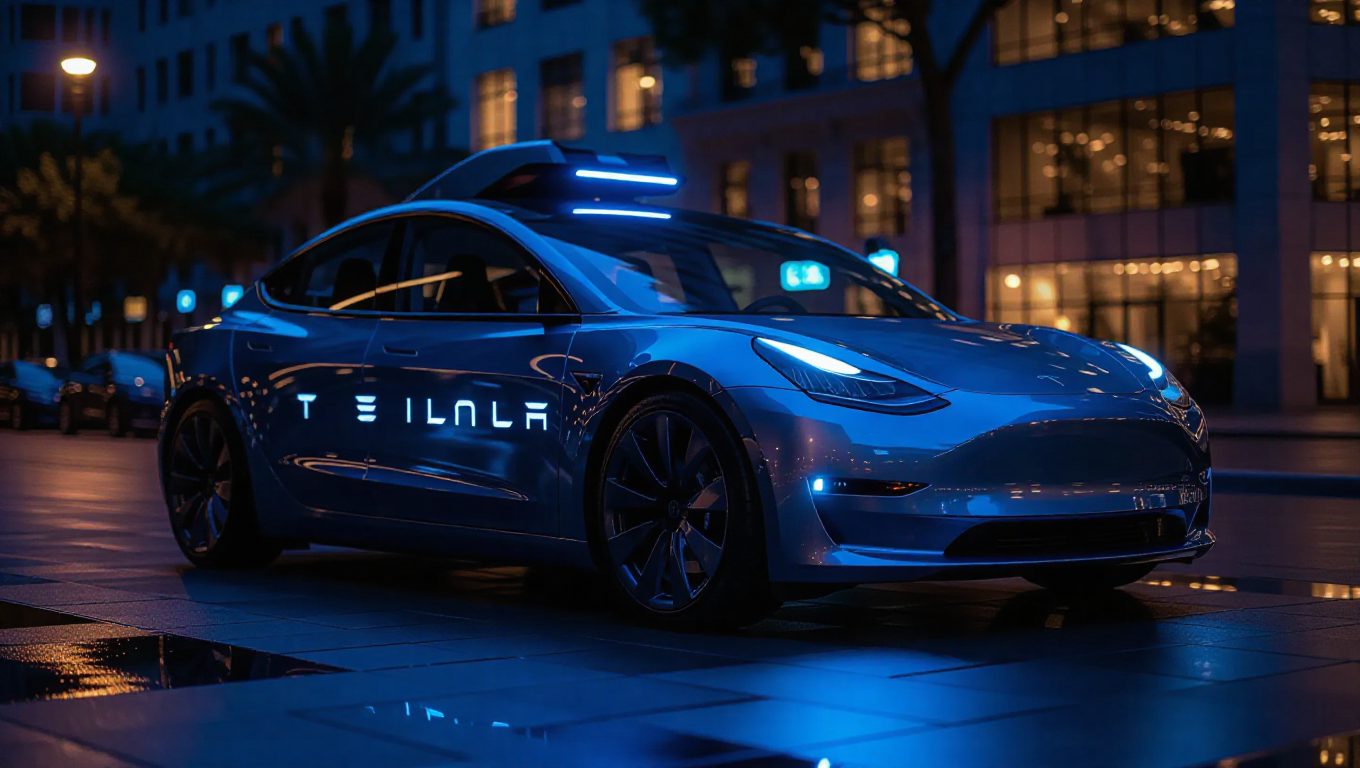
Samsung to Supply 5G Modem Chips for Tesla's Robotaxi Fleet
Samsung Electronics is set to begin supplying 5G modem chips to Tesla for its electric vehicles, with initial deployment planned for the upcoming Robotaxi fleet. This development represents a significant expansion of the existing partnership between the two technology giants and marks Samsung's entry into Tesla's connectivity supply chain.
Strategic Partnership Expansion
While Samsung has previously supplied various components for Tesla's electric vehicles, this marks the first time the South Korean company will provide 5G connectivity chips to the automaker. The Exynos 5G modem chip, developed by Samsung's System LSI division, has reportedly completed development and is currently undergoing testing phases.
The initial deployment will focus on Tesla's Robotaxi vehicles, which are expected to debut in Texas, USA. Following this rollout, the 5G chips are planned for expansion to other Tesla electric car models in the future. This strategic move comes as Tesla seeks to diversify its supply chain away from components manufactured in China and Taiwan, opting instead for suppliers based in South Korea or the United States.
Technical Specifications and Requirements
Automotive-grade 5G chips present unique technical challenges compared to their mobile counterparts. These chips must withstand continuous exposure to high temperatures and vibrations over extended periods while maintaining reliable performance. Additionally, automotive components typically require a minimum operational lifespan of ten years, necessitating specialized manufacturing processes and rigorous testing protocols.
Samsung reportedly began development of this specialized 5G chip in early 2024, completing the process last year. The company leveraged its extensive experience in mobile 5G chip production while adapting to the stringent requirements of automotive applications. This represents a significant technological achievement, as automotive semiconductors must meet far more demanding reliability standards than consumer electronics components.
Supply Chain Implications
Tesla's shift to Samsung 5G modems represents a notable change in its connectivity strategy, as the company has previously relied on Qualcomm's 5G modem chips. This transition aligns with broader industry trends toward supply chain diversification and regional manufacturing preferences.
The 5G chip partnership builds upon an already substantial collaboration between the two companies. Samsung recently secured a $16.5 billion agreement to manufacture AI6 chips for Tesla using its advanced 2nm process node. These chips will reportedly be produced at Samsung's semiconductor facility in Taylor, Texas. Additionally, Samsung is currently manufacturing some of Tesla's AI5 chips using its 4nm process technology in the United States.
Future Implications
This development signals Samsung's growing presence in the automotive semiconductor market, particularly in the electric vehicle segment. For Tesla, the partnership enhances supply chain resilience while potentially improving connectivity performance in its autonomous vehicle fleet. The Robotaxi deployment will serve as a proving ground for the new 5G technology before broader implementation across Tesla's vehicle lineup.
The collaboration between Samsung and Tesla reflects the increasing convergence of consumer electronics and automotive technologies, with connectivity becoming a critical component of modern vehicle architecture. As autonomous driving capabilities advance, reliable high-speed connectivity will play an essential role in vehicle-to-everything communication, remote diagnostics, and over-the-air updates.
Conclusion
Samsung's entry into Tesla's 5G modem supply chain represents a strategic milestone for both companies. The partnership combines Samsung's semiconductor expertise with Tesla's automotive innovation, potentially setting new standards for vehicle connectivity. As the automotive industry continues its digital transformation, such collaborations between technology and automotive leaders will likely become increasingly common, driving innovation in both sectors while addressing the complex technical requirements of next-generation vehicles.