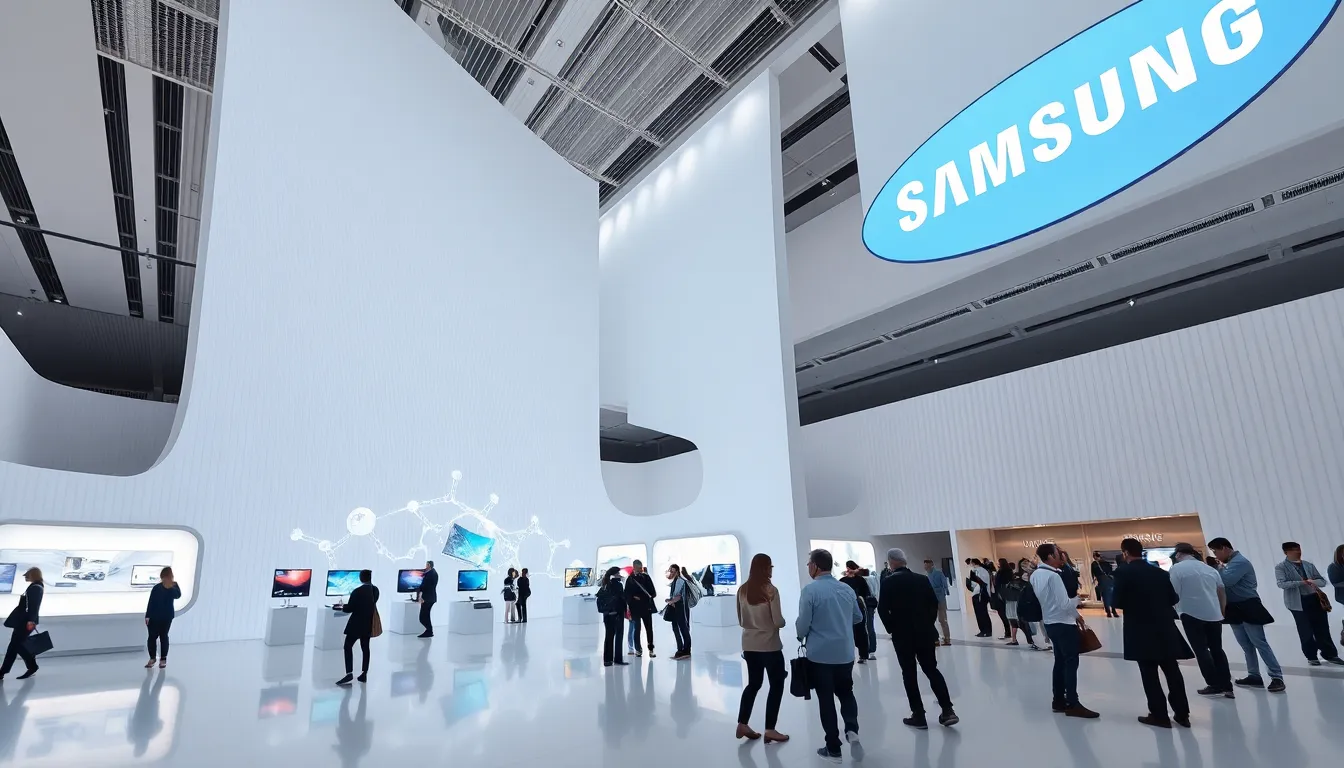
Samsung to Operate Standalone Exhibition Hall at CES 2026
In a significant departure from convention, Samsung has announced it will not maintain a traditional booth at the upcoming Consumer Electronics Show (CES) in early January. Instead, the technology giant will establish its own standalone exhibition hall at The Wynn in Las Vegas, marking a strategic shift in how it presents innovations to the industry and public.
A New Exhibition Paradigm
The move represents more than just a change of venue. Samsung describes the approach as transforming the exhibition paradigm toward customer experience. The standalone space will enable the company to curate experiences using techniques borrowed from art galleries and museums, creating a more immersive environment for product unveilings.
This integrated location will serve multiple functions beyond product displays. Samsung plans to host presentations, technology forums, events, and consultations with key clients and partners within the same space. The company emphasizes that this setup allows for organic interactions and minimizes congestion, promising enhanced programming for deeper visitor engagement.
AI Ecosystem at the Forefront
Central to Samsung's CES presentation will be its unified AI approach. The company intends to articulate its overall business direction while showcasing what it describes as "industry-leading innovations." The standalone exhibition hall provides what Samsung calls "no limitations" in conveying its complete AI strategy and vision to attendees.
Visitors will experience Samsung's differentiated AI capabilities firsthand, with demonstrations focusing on seamless, always-on connectivity. The company promises to showcase a hyper-connected ecosystem where software and AI work together to transcend traditional hardware limitations. Samsung positions this integrated approach as something uniquely within its capability to deliver.
Strategic Implications
The decision to operate independently from the main CES floor reflects Samsung's confidence in its brand strength and product portfolio. By creating its own dedicated space, the company gains greater control over the visitor experience, timing of presentations, and overall narrative.
This move also suggests Samsung's desire to distinguish itself from competitors who typically share exhibition space at the main convention center. The Wynn location offers premium facilities that align with Samsung's positioning as a premium technology brand, potentially attracting different audience segments than traditional CES attendees.
Conclusion
Samsung's standalone exhibition hall at CES 2026 represents a bold reimagining of tech exhibition strategy. By moving beyond traditional booth formats, the company aims to create more meaningful connections with visitors while fully showcasing its AI ecosystem vision. This approach could set a new precedent for how major technology brands present themselves at industry events, emphasizing curated experiences over conventional product displays. As CES approaches, all eyes will be on The Wynn to see how Samsung's experiment in exhibition design unfolds and whether other industry leaders might follow suit in future years.